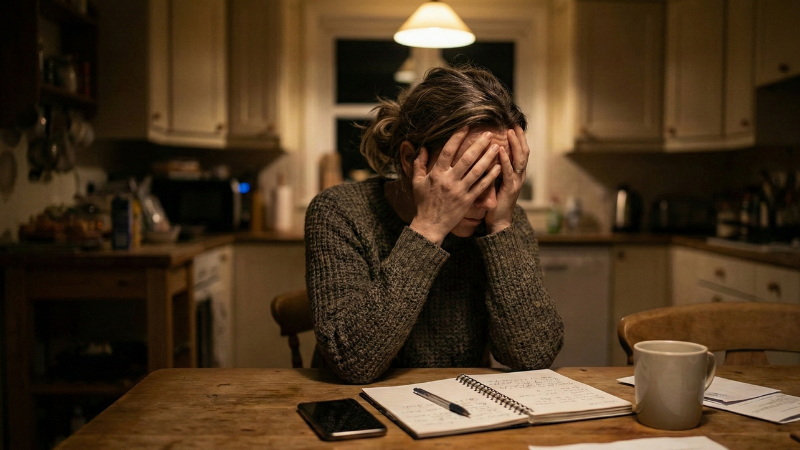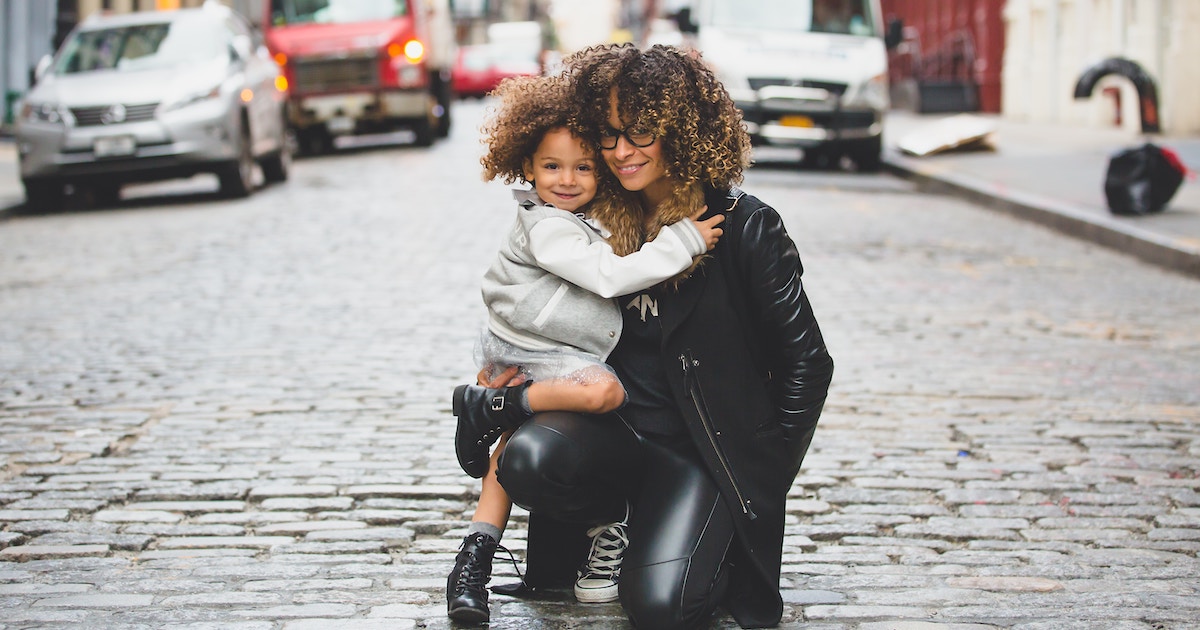
Being a parent is tough and there is no perfect guidebook (unfortunately)! The days can be long, our houses are messy and those little (or big) humans we created sometimes drive us a little crazy. This is real parenting, not the kind shown in a glossy magazine.
We are told how to be a good parent in many books and on television, and we are also made highly aware of the consequences of harmful parenting styles, like that over-parenting causes more harm than good. It's difficult to know where to begin in your parenting approach.
Just by reading this article today, it shows you want to be the best version of yourself as a parent that you possibly can, bravo to you!
You may have heard the term, "helicopter parent." It was first coined in the book by Dr. Haim Ginott called Parents & Teenagers after teenagers began to explain that their parents hovered over them like a helicopter (parents.com, n.d.).
Characteristics of a helicopter parent:
-
Tries to choose everything that their child wears even though they are 12 and perfectly capable of getting dressed themselves
-
Finishes their child's homework when they are struggling so they receive a good grade
-
Does not teach them consequences and instead tries to fix problems for them
-
Does not allow them to adequately explore their environments and may impose controlling, strict rules
-
Lives through the lives of their child and finds little in the way of living independently as an adult (psychcentral.com, 2018.)
Characteristics of a healthier parenting style:
-
Allows their child to grow psychologically by allowing them to explore their inner and outer world. Freedom of expression whether it is by choosing their clothes or verbally expressing themselves
-
Lets children make mistakes! They teach their children the consequences of actions and allow them to learn from their own mistakes.
-
Assists and supports the child but does not smother them with parental involvement
-
Allows them to be a child and teaches them coping skills when needed.
It's suggested that helicopter parenting leads to children being unable to process and cope with their own emotions and behavior. They may be less likely to cope with growing up especially in the sometimes stressful school environment. It's also suggested that they need parents who can identify when their child can manage independently and also when to encourage and assist the child more when needed. It is recommended that parents can help their children by using positive coping skills when upset so to mirror a positive role-model (American Psychological Society, 2018).