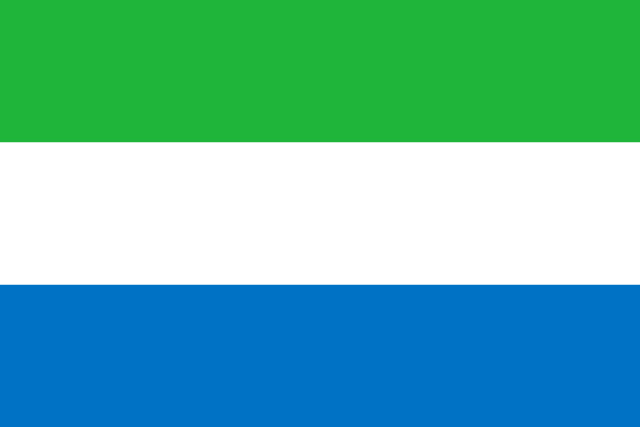
Sierra Leone Help & Support
Licensed therapists, treatment centers, housing, food and faith-based support - in your community.
Support in Sierra Leone

Sierra Leone
7
trained volunteer listeners
2,352
people helped
What people talk about here
Show all
Relationship Stress
11%
Anxiety
9.5%
Depression
9.1%
Loneliness
8.1%
Breakups
6.2%
Managing Emotions
4.8%
Family Stress
4.3%
Student Life
3.8%
Bullying
2.4%
Forgiveness
2.4%
Work Stress
1.9%
Parenting
1.9%
Alcohol/Drug Abuse
1.9%
Chronic Pain
1.9%
Social Anxiety
1.9%
General Mental Health
1.9%
Addiction
1.9%
Eating Disorders
1.4%
Self-Harm
1.4%
Financial Stress
1.4%
Weight Management
1.4%
Exercise Motivation
1.4%
ADHD
1.4%
Bipolar Disorder
1.4%
PTSD
1.4%
Self-Esteem
1.4%
Panic Attacks
1%
LGBTQ+ Issues
1%
Domestic Violence
1%
Grief
1%
Borderline (BPD)
1%
Women's Issues
1%
Spirituality
1%
Sleeping Well
0.5%
Obsessive Compulsive Disorder
0.5%
Perinatal Mood Disorder
0.5%
Getting Unstuck
0.5%
Diabetes
0.5%
Cancer
0.5%
Recovery
0.5%
Sexual Health
0.5%
Racial & Cultural Identity
0.5%
Schizophrenia
0.5%
Men's Issues
0.5%
Dissociative Disorders
0.5%

Free emotional support
7 trained listeners from Sierra Leone
Free, anonymous, and available right now - no appointment, no cost.
Learn more


Questions people are asking
Sexual attraction: What's the difference between romantic attraction and sexual attraction?
320 answers
Should I tell my boyfriend that I cheated?
317 answers
What can I talk about with my boyfriend on the phone?
323 answers
How to get rid of depression?
346 answers
I still love my ex. Should I feel this way?
421 answers
Local Support in Sierra Leone
Sierra Leone, a vibrant nation on West Africa's coast, is renowned for its cultural diversity and natural beauty, yet faces significant socio-economic challenges affecting mental health. With over 7 million inhabitants, the country grapples with poverty, with 26% of its population living below the poverty line, impacting access to basic needs like healthcare. Mental health support in Sierra Leone remains crucial due to the lingering effects of the civil war and Ebola outbreak, both of which have heightened community stress levels. Despite these challenges, strides are being made towards affordable mental health care in Sierra Leone. The nation boasts an increasing commitment to mental health, as evidenced by the Ministry of Health and Sanitation's initiatives to boost community mental health resources, reflecting an awareness of the critical need for psychosocial support. Yet, access to mental health services in Sierra Leone is hampered by a scarcity of professionals, with just two psychiatrists and 19 mental health nurses nationwide. Economic disparities further hinder service accessibility, notably in rural versus urban areas. Nonetheless, community-driven efforts, including local dialogues and training, are making progress in addressing mental health challenges in Sierra Leone. As the country continues to rebuild and bolster its health systems, exploring a directory of mental health resources in Sierra Leone can be instrumental for individuals seeking support and access to mental health services. Embracing these resources can significantly enhance mental well-being across different regions, fostering resilience and hope.
Frequently asked questions
Use the search box at the top of this page to narrow down to your city or zip code, then choose the kind of support you need - therapists, treatment centers, housing assistance, food pantries or faith-based services. Every listing links through to contact details and directions.
It varies by listing. Food pantries, many housing programs and faith-based services are typically free, while therapists and treatment centers usually charge or bill insurance. Check the individual listing and contact the provider directly to confirm.
No. The providers and organizations listed here are independent of 7 Cups - we do not employ them and cannot vouch for them. What 7 Cups does offer directly is free emotional support from trained volunteer listeners, and online therapy with licensed professionals.
If you are in immediate danger, call 988 in the US or go to your nearest emergency room. For someone to talk to straight away, you can chat with a trained volunteer listener at any hour, free.