Introduction to Kindness
These are practices which are not bound by a limit: leaving a corner of one's field for the poor...and performing acts of kindness... - Mishnah, Tractate Pe'ah, 1:1*
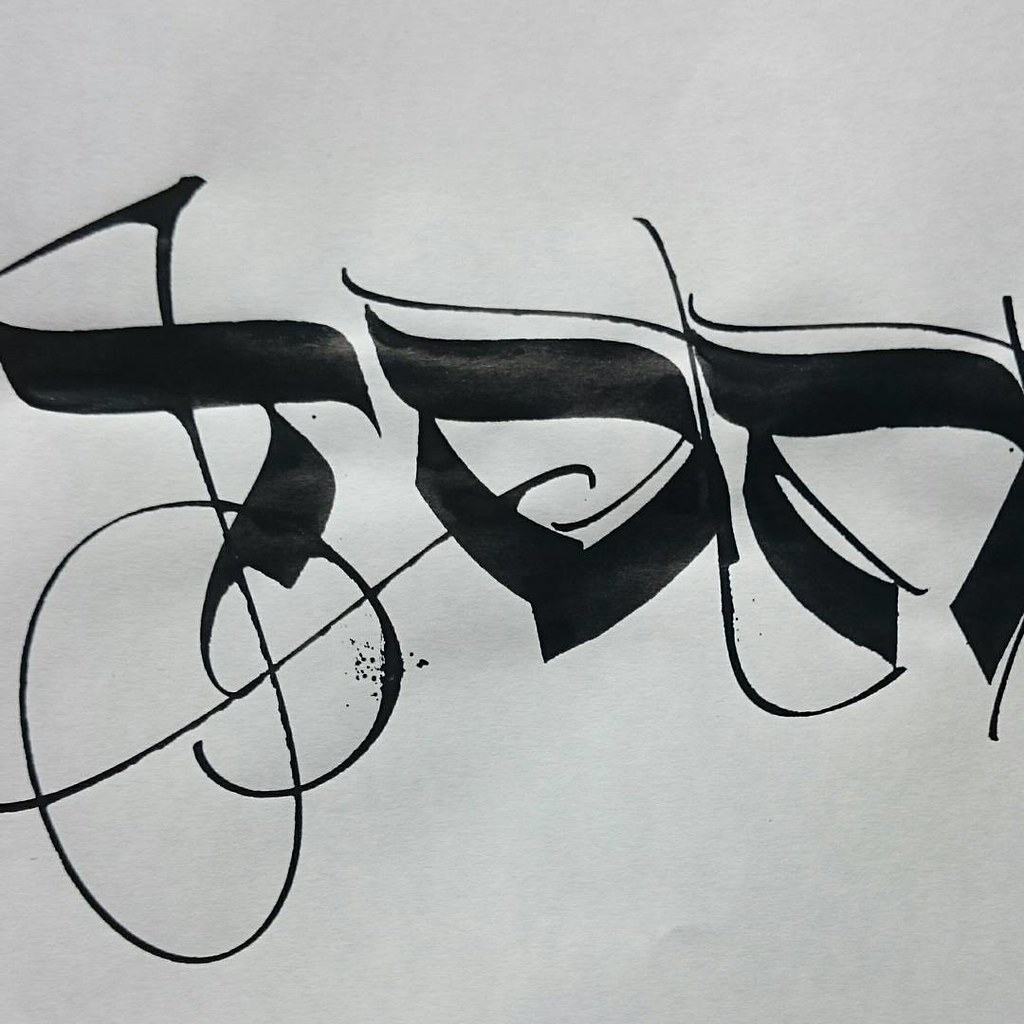
The Hebrew word featured above is among the most important things we'll be talking about during this growth path, but particularly so in the first section: Kindness! In Hebrew, hessed (חסד).** As evident from the source quoted above, kindness is an integral part of living a meaningful life - there's no limit to how often, to what extent, and to whom we can be kind! So long as it's coupled with self-care (which will be explored in more sources and steps to come), kindness can be truly infinite!
When we think about kindness, some specific examples often come to mind: helping your parents put the groceries away, comforting a friend in their time of need, and donating money or resources to charitable causes. At the root of all of these acts is a unified concept - recognizing the needs of others and bringing yourself out of your own sphere of existence to act on that recognition. Of course, such a broad idea is bound to encompass numerous methods of expression, which is exactly the case that we can observe ourselves - it isn't terribly hard to perform acts of kindness!
However, at its very essence, an act of kindness is technically different from being kind. Sure, when you help someone out, that's performing an act of kindness and expressing a kind attitude toward another. But, that's a single action - not a state of being.
According to traditional Jewish wisdom, kindness is much more than just a way in which someone can behave. Kindness is an integral part of human existence. Without it, not only would we, as humans, be disconnected from each other and the world at large, we would be disconnected from ourselves. Over the course of the next series of steps, we're going to:
- Learn about what kindness really is according to Jewish wisdom.
- Go over concrete steps toward cultivating what that is within each and every one of us
- Improve our relationships with the world, our family, our friends, and, ironically, ourselves!
*The Mishnah is the written and codified edition of the Jewish Oral Tradition completed around 200 CE. It includes an expansive set of laws, guidelines, and philosophical pointers. Tractate Pe'ah primarily discusses the laws governing the Biblical command to leave a corner of one's field unharvested so that the poor may gather from it (see Leviticus 19:9 and 23:22).
**Hebrew is read and written from right to left! Hessed is pronounced with stress on the first syllable and a rough, guttural "h" sound as found in "Bach."