Finding New Ways to Cope (Part I)
Goal
To be able to plan out alternative ways of coping
Finding New Ways to Cope
Because self-harming behaviors offer some immediate relief, it can be difficult to completely stop these behaviors. People often self-injure to help them cope with underlying issues, and these problems will resurface. As long as these issues continue to resurface, you will need some way of coping.
Review Triggers
Last lesson, you recorded key thoughts and situations that tend to trigger you to self-injure. It is important to recognize situations that trigger you so that you can chose an alternative behavior. There are many situations or thoughts that can be triggers, such as:
- Being with a particular person
- Being reminded of a time you were hurt
- Thinking about negative comments someone made about you
- Preparing for a big project or performance
- Feeling a sense of numbness or “unreality”
 One way to view what happens when you encounter a trigger is to think of a fork in the road. One side leads to self-injury and the other leads to an alternative, healthier behavior, such as exercise. If you have been self-injuring for a long time, that path will be well-worn and familiar. It is easy to just travel down that road each time you are triggered. The first step to taking a different trip is to notice when you get to that fork in the road. Once you head down the path towards self-injury, it becomes harder and harder to turn around.
Self-injury can be habit-forming, and the pull towards self-harm can be very strong. This is why it is important to begin to recognize that moment when you can still chose between self-harm and an alternative behavior. At first, choosing the alternative behavior may be difficult because that path will be unfamiliar. However, if you persist, it will becoming easier to make that choice.
Choosing Alternative Behaviors Exercise (Mental Health Foundation, 2012)
Alternative behaviors include any activity that makes it difficult or impossible to self-harm. They may also include activities that help you address the underlying emotions or thoughts that trigger your self-harming. The suggestions below come from a survey that asked people who self-harmed to list their most successful coping techniques.
Instructions: Rate the following activities on a scale of 1-10 of how helpful you think they may be with 1 being not helpful and 10 being very helpful.
| Emotional State | Alternative Behaviors | Helpfulness Rating |
|---|---|---|
| If you are feeling stressed, try: | Hitting a punching bag | |
| Going for a vigorous walk or run | ||
| Practice deep breathing (see lesson 4) | ||
| Do something relaxing, such as taking a hot bath | ||
| If you feel numb, try: | Use a red pen to mark where you usually hurt yourself | |
| Rub ice on your skin where you usually hurt yourself | ||
| Submerge your face, arm, or leg in a bucket of ice water | ||
| Put elastic bands on wrists, arms, or legs and flick them | ||
| If you desire to express your emotions, try: | Journaling your emotions | |
| Writing negative emotions on a piece of paper and ripping it up | ||
| Talking to a friend, although not necessarily about self-harming | ||
| Creating artwork (you could integrate helpful alternative thoughts as a part of the artwork) |
Planning Alternative Activities Exercise
This exercise will help you discover which alternative coping behaviors help you, as well as when you are most drawn to self-harming.
Instructions: For the first week, record when you cut and which alternative behaviors you try. Beside the alternative behaviors, note how helpful you found it on a scale from 1-10 with 1 being not helpful and 10 being very helpful. The next week, note the times that are the most difficult for you and use the alternative behaviors that you found to be the most helpful.
| Weekly Activity Journal | Date: | Monday ____ |
Tuesday ____ |
Wednesday ____ |
Thursday ____ |
Friday ____ |
Saturday ____ |
Sunday ____ |
|---|---|---|---|---|---|---|---|
| 7-9 AM | |||||||
| 9-10 AM | |||||||
| 10AM - 12PM | |||||||
| 12-2 PM | |||||||
| 2-4 PM | |||||||
| 4-6 PM | |||||||
| 6-8 PM | |||||||
| 8-10 PM | |||||||
| 10PM - 12AM |
 Next Step (Mental Health Foundation, 2012)
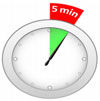
An additional technique that received a lot of support in the survey mentioned previously was following the “5 minute rule.” In this technique, if you feel like self-harming, you wait 5 minutes before you do. Once 5 minutes are up, you see if you can go another 5 minutes. In some cases, the urge will eventually pass.