How to Forgive Yourself for Becoming a Victim of Emotional Abuse

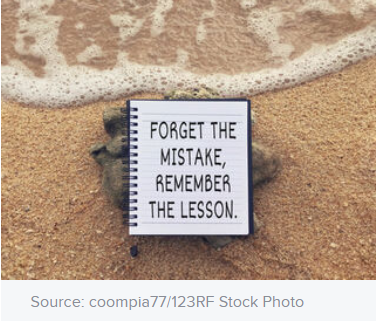
Shame is a persistent emotion. It can hang on long after you have escaped an emotionally abusive relationship.
Instead of continually shaming yourself, you need to forgive yourself. Otherwise, you will carry your shame indefinitely, making it harder to start your life anew. You need to forgive yourself for all the following: becoming involved with an abusive partner, not seeing the signs and predictors of abusive behavior, believing what the abuser told you, getting confused about who you really are, and remaining in the relationship for so long.
You may also need to forgive yourself for subjecting your children to chaos and fighting and for providing them a negative role model for how to behave in intimate relationships. Next, you need to forgive yourself for whatever actions you took or the coping mechanisms you used in order to survive the abuse.
Finally, you need to forgive yourself for the ways you have hurt others due to the abuse you suffered. This includes all your “sins” and omissions—all the ways you have caused others damage.
Self-forgiveness is one of the most powerful steps you can take to rid yourself of the debilitating shame that surrounds emotional abuse. It is not only recommended but absolutely essential—nothing is as important for your overall healing from the abuse.
Self-Understanding
This includes learning how shame has shaped your image of yourself, how the emotional abuse you suffered cuts you off from important aspects of yourself and learning how trauma creates certain symptoms and behaviors that are unhealthy.
A major way to gain self-understanding is to begin to treat yourself in a “trauma-sensitive” or “trauma-informed” approach. By treating yourself in this way, you not only understand why you have behaved as you have, but you will also increase your ability to treat yourself more compassionately.
The primary goal of a trauma-sensitive or trauma-informed way of thinking is to help you better understand the role that trauma has played in shaping your life. More specifically, there is a focus on helping you recognize that many of the behaviors you are most critical of in yourself (and are criticized for by others) are actually coping mechanisms or attempts at self-regulation.
We need to focus on what happened to the person rather than what is wrong with the person.
Substance use and certain psychiatric symptoms may have evolved as coping strategies when options were limited.
Begin to recognize the adaptive function of any troubling behaviors you took on to cope with the abuse.
Recognizing this and having compassion for yourself will be a significant step toward both self-acceptance and change. Once you have offered yourself self-compassion, you can then focus on learning strategies that help you feel more comforted and in control, such as writing in a journal, taking a warm bath, applying a cool washcloth to your forehead, or practicing grounding exercises or deep breathing—all of which can help with self-soothing deficits.
The Obstacles to Self-Forgiveness
The more shame you feel about your past actions and behaviors, the more your self-esteem is lowered, and the less likely you will feel motivated to change. And without self-forgiveness, your level of shame will cause you to defend yourself from taking on more shame by refusing to see your faults and not being open to criticism or correction. Self-forgiveness opens the door to change by releasing resistance and deepening your connection to yourself.
Forgiving yourself will help you heal another layer of shame and free you to continue becoming a better human being. Without the burden of self-hatred you have been carrying around, you can transform your life.
Reflection;
What are some self-soothing techniques do you use to cope when stressed or anxious?
#EmotionalAbuse #SelfForgiveness #EmotionalRegulation #MentalHealth

@comfortableNight4463 When I'm feeling stressed or anxious, I like to tell myself to breathe and that what I am feeling is not permanent. I know that I will get through what I am dealing with and remembering that always me to gain a new perspective. If I am feeling really anxious, I like to talk to a loved one or go for a walk.