The Power of Resiliency, Part 1

comfortableNight4463
January 19th, 2023
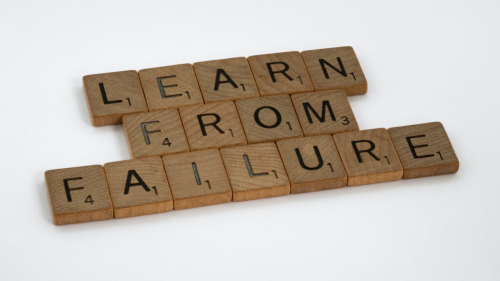
The Power of Resiliency
Resilient children and adults have several characteristics in common:
- Resilient children and adults use optimistic self-talk, understanding how to converse and confront their inner critic. This allows them to let go of what no longer emotionally serves them. For example, the critical voice of childhood and the insecurities that no longer relate to today’s confident and competent adult.
- Resilient children and adults view failure as temporary and do not transfer the experience of failure onto the next project but rather percolate until new ideas emerge.
- Resilient children and adults don’t cry over spilt milk. Instead, they see problems as short-term obstacles from which they can garner or gain knowledge.
- Resilient children and adults don’t play the “blame game,” castigating themselves. Consequently, when confronted by the defeat of an enterprise, they consider that the project or venture failed – not that they failed.
- They do not take failure personally but rather think about restructuring errors while looking for different avenues to approach problem-solving.
- Resilient children and adults focus on commitment, responsibility, and obligation to themselves and others. These characteristics are necessary for a relationship and transfer to your wants, needs, and goals.
- Resilient children and adults learn to prioritize. They put their energy where it will get the best results and learn early how to focus their time on things that are within their control; rather than scatter their energy in areas unrelated to their goals.
Read the complete article available at Thrive Global!
Reflection:
What are some other characteristics of resilient people?
#Resilience #Mindset #EmotionalRegulation
For part 2 on 'How to achieve resilience', click here!
February 1st, 2023
@comfortableNight4463
Thank you for sharing this, I think the three most important characteristics of resilence are acceptance, purpose and flexiblity.
1 reply
@LunaHere You're most welcome!
load more

HealingTalk
February 1st, 2023
@comfortableNight4463
I loved this article!
I want to be a resilient child! 😀
1 reply
@HealingTalk Thank you for reading! You definitely can!
load more