How to Tell and What To Do If Your Child Is Anxious in Grief

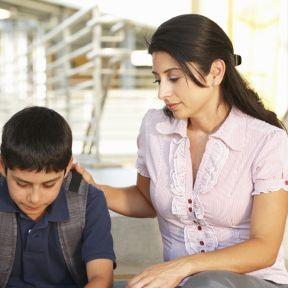
"Often when we consult after a family has suffered a loss, a parent will say something like, "Ever since my father died six months ago, my kids express quite a bit of sadness, but not all the time. I thought it would have passed by now. They still seem sad at times they know he would have been with us but now they seem more focussed on my health and check in to see how I am. When their father travels, they ask questions about the plane, you know, about takeoffs and landings. They wait around for his phone calls in the evenings. It’s hard to watch them go through this. I wish they didn't have to be so upset and worried. When will this stop?”
There have been so many losses in recent times, in our families and in the media. Children may have strong reactions to any of these—each child in their individual way depending on the immediacy of the loss, what other losses they have experienced, their general response to emotional upset, and, most importantly, their sense of you and how you are faring.
But how can you tell if your child is also experiencing anxiety interwoven within their grief? You know what anxiety feels like to you, but it may look different in your child and children may not be able to articulate their feelings clearly. Before you can help them, you need to understand your own grief and worries since you are supporting your children through loss as you learn to cope with loss yourself. This is why we always suggest that the first step towards helping your child is to know yourself. Ask yourself how you are feeling. Are you anxious, sad, relieved, angry, numb, worried, or exhausted? What feelings from prior losses might this loss be stirring? Knowing what you feel and need grounds you as you help your children sort out their feelings.
So, what are the signs that your child’s grief is accompanied by anxiety? Signs of anxiety in children are varied. Some may be familiar to your own experience like a racing heart or butterflies in the stomach, trouble falling or staying asleep, lessened concentration, being tense and uneasy, and feeling queasy. Children often express feelings in their bodies so they may also complain of diarrhea, dizziness, tiredness, and muscle aches. They may be going to the school nurse more often. They may be irritable or jittery or express fears of the dark, ghosts, or of getting lost.
As you look to your child, think about how they typically deal with emotions. Does she keep feelings bottled up or let them out, verbally or physically? Does he typically appreciate physical comfort or prefer to be left alone for a while? There is no one right way to grieve so ensure that they know whatever their way is, you do not judge it.
Though you naturally feel the pull to try to make your child’s difficult feelings go away, accept that this is a natural part of your children’s grief and not something you are doing wrong as a parent. It is important to understand that you usually do better for your children by letting them find their way as much as possible- with you at their side. Better they take the time, despite their pain, to discover what is soothing to them, than that you take the problem out of their hands.
All children need comfort and help, but they also need to be able to tolerate sadness and anxiety, develop resilience and learn ways to soothe themselves. Help your child put a name to his feelings. Giving your child the language to talk about feelings is a great gift. It enables your child to recognize a feeling when it is experienced again and to be able to communicate it to others more easily, and this helps him to cope moving forward. Suggest supportive ways of handling these feelings, such as breathing exercises, meditation, drawing, listening to music, and sharing his thoughts and feelings with those he is close to.
As much as we would like to protect our children from experiencing the sadness and anxiety that come with loss, we have found that children are best served by parents who give their children space to experience the painful feelings as they are compassionate and available. This can take a lot of tolerance and patience since no parent finds it easy to see their child suffering. A parent who supports their child learning how to cope with grief can also share in the working through of loss by spending close time talking. Remember that loss, grief and attendant anxiety take time to dissipate; change takes time to accept."
*Grief is something that we all will experience in our lives. Children may experience it at a young age and they may not know how to handle it. It is important for parents to give their children the space necessary to figure out what is the best way for them to handle their grief. Grief is never easy and everyone handles it differently. It's a complex emotion that may never go away, but time will lessen the pain and the memories will stay with you forever. ❤️ What would you say to someone going through a time of grief?*
#Grief #Anxiety #Loss
Please find the full article at Psychology Today.
If you liked this article and want to learn more about grief, you may like this one!

@fruityPond7887 Encourage your child to talk: Encourage your child to talk about their feelings and express themselves in a safe and supportive environment. Be patient and listen without judgment, and validate their feelings by acknowledging that grief is a normal and natural process.
@warmheartedpd1234 These are great tips for a child, or anyone, going through grief. Grief is such a complex emotion and everyone will process it differently. Thank you for your thoughts! ❤️