(Trigger Warning: Suicide) Psychology Today: Student Athletes Need Better Mental Health Support

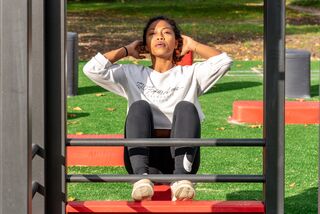
"In early May, Arlana Miller, a first-year student at Southern University, took her life after posting an alarming message on social media. She wrote about her history of suicidal thoughts and the pressure she felt as a university cheerleader who had suffered past injuries.
Her death has shaken the world of college athletics, but—tragically—really shouldn’t come as a surprise.
Between March and June 2022, three high-profile college athletes have died by suicide in addition to Ms. Miller: Katie Meyer, a soccer player at Stanford University; Sarah Shulze, a top runner at the University of Wisconsin-Madison; and Lauren Bernett, a softball player at James Madison University. These young women were all lauded for their athletic prowess but—under the surface—were struggling and couldn’t access help.
Gina Meyer offered highly perceptive thoughts on the tragedies in an interview conducted shortly after her daughter’s death. She said, “There’s so much pressure I think on athletes, right, especially at that high level, balancing academics and a highly competitive environment. And there is anxiety and there is stress to be perfect, to be the best, to be number one.”
There is no question many athletes are negatively impacted by such perfectionism, especially young women. The question becomes: What should college athletics do to counter this distressing trend?
Most crucially, they should implement behavioral threat assessment programs that proactively identify those at high risk of suicide and self-harm. Such programs are designed to identify red-flag behaviors and provide focused interventions and support. Schools that have such programs in existence already should look to create a specific focus on student-athletes, informed by specific expertise in this area. They should also ensure they’re following best practices, such as the utilization of multi-disciplinary teams to identify at-risk individuals. What’s more, schools must also work to foster cultures in which student-athletes—both women and men—feel like they can ask for help without penalty, repercussion, or ridicule.
The good news is that more and more high-profile athletes have come forward to speak openly about their own mental health struggles, helping to ease a long-standing stigma. Notably, gymnast Simone Biles and tennis star Naomi Osaka withdrew from the Olympics and Wimbledon, respectively, citing how the pressures of their sports were affecting their ability to compete.
After withdrawing, Ms. Biles said, “I say put mental health first. Because if you don’t, then you’re not going to enjoy your sport and you’re not going to succeed as much as you want to. So it’s OK sometimes to even sit out the big competitions to focus on yourself, because it shows how strong of a competitor and person that you really are—rather than just battle through it.”
This act of courage paves the way for more young athletes to follow her extraordinary example, prioritizing their own well-being rather than putting themselves at greater risk."
*I can't imagine the pressure the student athletes go through to do well at both academics and their sport. It's hard enough to do one or the other! It's important that schools recognize this and take preventative measures. Student athletes should feel as though they can speak up without any backlash, so that they can get the help they need before they feel worse. No one should have to suffer alone. As always, us here at 7 Cups are always ready to talk anytime!*
#StudentAthletes #CollegeSports #SuicidePrevention
What other ways do you think colleges could do to help improve the overall mental health of their athletes?
Read the full article here!

@fruityPond7887
This was an interesting article! I think colleges could create a program designed to increase social support and give them resources to improve their ability to manage stress. This could include information to tell students where to locate campus-based support services, such as coaches, student advisers, and counselors, or peer-to-peer education and support and skill-building groups.
@globalBraid3744 I agree with you! I sometimes think that these colleges don't advertise these resources enough and students don't know where to go. Having these resources is essential to making sure the student's health is kept in a good place!

This is helpful. suicide affects millions of people
@wrenyaa1 You're absolutely right! Thank you for reading! ❤️