What Is Peer Pressure?

Peers are people who are part of the same social group, so the term "peer pressure" refers to the influence that peers can have on each other.
Peer pressure is the process by which members of the same social group influence other members to do things that they may be resistant to, or might not otherwise choose to do.
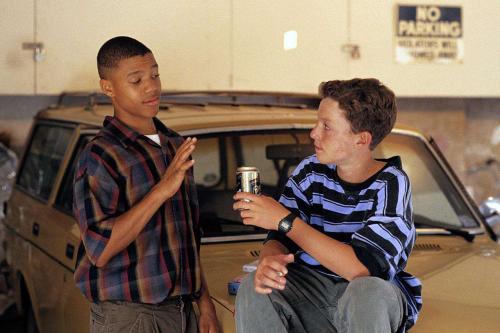
Spoken vs. Unspoken Peer Pressure
As the name suggests, spoken peer pressure is when someone verbally influences another person to do something. For instance, a teenager might influence their friend to smoke a cigarette by saying, "Come on, one cigarette won't hurt."
Even if no one tells the teenager to smoke a cigarette in the example above, the teen may still feel pressured by their peers to partake in the activity because it seems like everyone is doing it.1
Direct vs. Indirect Peer Pressure
Direct peer pressure is when a person uses verbal or nonverbal cues to persuade someone to do something. The example mentioned above of a teen handing another teen a cigarette is also an instance of direct peer pressure because the teen on the receiving end must decide on the spot how they're going to respond.
With indirect peer pressure, no one is singling you out, but the environment you're in may influence you to do something. If you're at a party where everyone is drinking, for instance, you might feel pressured to drink even if no one asks you to.
Positive vs. Negative Peer Pressure
Finally, peer pressure can be described as either positive or negative. Positive peer pressure is when a person is influenced by others to engage in a beneficial or productive behavior.
Negative peer pressure is the influence a person faces to do something they wouldn't normally do or don't want to do as a way of fitting in with a social group. People often face negative peer pressure to drink alcohol, do drugs, or have sex.
Examples of Peer Pressure
Peer pressure causes people to do things they would not otherwise do with the hope of fitting in or being noticed.
Things people may be peer pressured into doing include:
-
Acting aggressively (common among men)
-
Bullying others
-
Doing drugs
-
Dressing a certain
way
-
Drinking alcohol
- Engaging in vandalism or other criminal activities
-
Having sex
-
Physically
fighting
- Only socializing with a certain group
Behavioral Addiction
People can also feel an internal pressure to participate in activities and behaviors they think their peers are doing, which can put them at risk for the following behavioral addictions:
-
Food addiction
-
Gambling addiction
-
Internet addiction
-
Sex addiction
-
Shopping addiction
- Video game addiction
.Examples of Positive Peer Influence
We tend to hear more about the potentially negative effects of peer pressure. But the reality is, peer pressure can be positive. For instance, two friends might put positive pressure on each other to go to the gym together and stay accountable for their fitness goals.
Teens who volunteer in their community can keep each other motivated to participate. This involvement can lead to exposure to role models and eventually lead to the teens becoming positive role models themselves.
Set Boundaries
Saying "no" can be hard, but it's necessary to set healthy boundaries in relationships. If someone persistently pressures you to do something, you can try telling them how it affects you.
For instance, you might say something like, "It upsets me when you offer me a cigarette when you know I don't smoke. I won't be able to keep hanging out with you if you don't respect my answer."
Source: https://www.verywellmind.com/what-is-peer-pressure-22246

@calmDew1576
Thank you for posting & yes I have experienced peer-pressure but I never really thought of peer-pressure being a positive. However yes I can there are many examples of negative & positive peer-pressure that I have experienced.
What are your thoughts on peer pressure? Have you ever experienced it and in what way?