Learn what dysmorphia is, common signs and causes, how it differs from body dysmorphic disorder, and practical ways to get help and feel safer in your body.
Table of Contents
Overview
What Dysmorphia Means
How Dysmorphia Differs From Body Dysmorphic Disorder
Common Signs of Dysmorphia
What Dysmorphia Often Looks Like Day to Day
Why Dysmorphia Happens
What Can Make Dysmorphia Worse
How Dysmorphia Affects Mental Health and Relationships
How to Cope With Dysmorphia
How to Support Someone With Dysmorphia
When to Seek Help
Key Takeaways
Frequently Asked Questions
Overview
Most people have moments of insecurity about their appearance. A bad photo, harsh lighting, a stressful week, or one careless comment can make anyone feel self-conscious. Dysmorphia is different because the worry does not behave like a normal insecurity. It can feel sticky, convincing, and hard to shake even when you try to reassure yourself.
When dysmorphia is active, your attention narrows. A feature can start to feel like the only thing people will notice, and your mind may treat it like a problem you must solve before you can relax, show up, or be close to others. You might know logically that you are more than your appearance, yet the emotional pull can still take over your day.
The good news is that dysmorphia patterns are understandable. They follow predictable loops, and those loops can change. With the right skills and support, many people learn to reduce checking, ease shame, and feel more stable in their body and in social situations.
What Dysmorphia Means
Dysmorphia is a pattern where your perception of your appearance feels distorted, magnified, or stuck on a flaw, making it difficult to see your face or body in a stable and realistic way. The distress is not just about wanting to look better. It is about how your brain is interpreting what you see and how intensely that interpretation drives anxiety, shame, and compulsive coping behaviors.
Dysmorphia often comes with a strong sense of certainty. You might feel convinced you look wrong, even when other people do not see what you see, or when the “flaw” is minor, changeable, or inconsistent. Some days you might feel okay, and then one trigger can flip the switch, bringing back the same harsh focus and urgency.
Dysmorphia can show up around any feature. It can center on skin, hair, weight, facial symmetry, nose shape, teeth, muscle size, body proportions, scarring, or a specific detail that others might barely notice. The distress is real, and it can be exhausting.
What Dysmorphia Is Not
-
Dysmorphia is not vanity. It is not a shallow concern, and it is not proof that you are self-centered. It is a distress pattern that often includes anxiety, threat sensitivity, and compulsive relief behaviors.
-
Dysmorphia is not the same as wanting to improve your style, health, or grooming. It is also not the same as noticing a realistic concern and taking a reasonable step to address it. The difference is how intense and consuming it becomes, and how much it controls your mood, choices, and self-worth.
-
Dysmorphia is not something you can fix by being told you look fine. Reassurance can help for a moment, but dysmorphia often returns because the problem is not a lack of compliments. It is the loop your brain is running.
Quick Examples
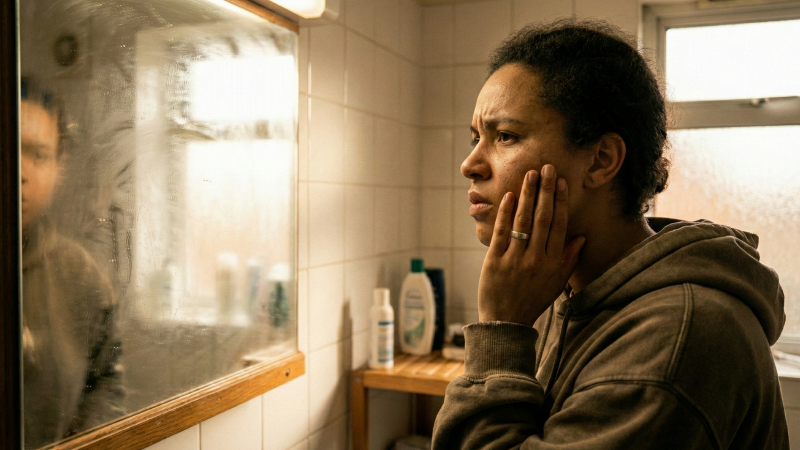
Dysmorphia can look like avoiding mirrors because seeing yourself feels unbearable, or checking the mirror repeatedly because you are trying to feel certain.
It can look like taking dozens of photos and deleting all of them, zooming in to inspect details, or refusing to be tagged in pictures.
It can look like arriving late because getting ready turned into a long cycle of changing outfits, adjusting hair, redoing makeup, or trying to “fix” one feature until you feel safe enough to leave.
It can look like canceling plans, avoiding dates, or feeling panicked in bright lighting because you feel exposed.
How Dysmorphia Differs From Body Dysmorphic Disorder
Body dysmorphic disorder is a clinical diagnosis involving appearance-focused distress plus repetitive behaviors or avoidance that significantly disrupt life. Many people use the word dysmorphia casually to describe body image distress, but body dysmorphic disorder is more specific, more persistent, and typically more impairing.
Dysmorphia as a general term can describe a spectrum. Some people have intermittent episodes that flare under stress and improve with coping skills. Others experience a more intense and chronic pattern that aligns with body dysmorphic disorder.
When It May Be Body Dysmorphic Disorder
Body dysmorphic disorder often involves a few recognizable features.
-
The concern takes up a lot of mental space, often daily.
-
There are repetitive behaviors such as mirror checking, comparing, skin picking, reassurance seeking, or constant photo review.
-
There is avoidance, such as skipping social events, refusing to be photographed, or avoiding bright lighting and intimacy.
-
The distress feels disproportionate to what others observe, and reassurance rarely lasts.
-
The pattern interferes with work, school, relationships, or basic routines.
If you relate to these strongly, it does not mean something is wrong with you as a person. It means your brain has learned a loop that has become sticky and self-reinforcing.
Dysmorphia Can Still Hurt Without a Diagnosis
Even when the pattern does not meet full criteria for a diagnosis, dysmorphia can still affect confidence, mood, sleep, and relationships. Early support often helps because you can interrupt the loop before it becomes the default coping strategy. You do not need to “prove it is severe enough” to deserve help.
Common Signs of Dysmorphia
-
Appearance Fixation That Feels Uncontrollable: Your attention keeps snapping back to a feature even when you try to focus on work, conversation, or enjoyment, and the feature starts to feel like the main explanation for how you feel about yourself.
-
Mirror Checking or Mirror Avoidance: You might check repeatedly to feel certain, or you might avoid mirrors entirely because the emotional hit is too intense, and both patterns can keep the fear active.
-
Photo Distress and Retakes: Photos can feel like proof of your worst fear, leading to retakes, zooming in, deleting, or replaying images in your mind long after the moment ends.
-
Reassurance Seeking That Never Feels Settling: You ask friends or partners if you look okay, if they notice a flaw, or if something looks wrong, and the comfort fades quickly, pulling you back into checking.
-
Camouflaging and Safety Behaviors: You rely on filters, angles, hats, makeup, hair placement, clothing choices, posture shifts, or lighting strategies to feel safe enough to be seen.
-
Avoiding Social Plans or Intimacy: You cancel, arrive late, keep distance from cameras, avoid dating, avoid physical closeness, or feel unable to relax during intimacy because you are monitoring how you look.
-
Constant Comparison and Body Scanning: You scan other people’s bodies and faces for reference, compare features, and use those comparisons as a verdict about your own worth or normality.
-
Spirals After Comments or Small Triggers: A casual joke, a glance, a tagged photo, a harsh mirror, or a day of stress can trigger a fast drop in self-perception that feels hard to stop.
-
Skin Picking, Grooming, or Over-Editing: You pick, squeeze, shave, scrub, over-treat, or over-edit because the urge to correct or smooth a detail feels urgent and relieving in the moment.
-
Shame, Irritability, or Low Mood Linked to Appearance: Dysmorphia can shift your mood quickly, making you withdrawn, short-tempered, hopeless, or numb when you feel you cannot fix what you see. Over time, this can slide into self-loathing, where appearance becomes the main way you judge your worth.
What Dysmorphia Often Looks Like Day to Day
Dysmorphia usually shows up as a cycle rather than a single thought. A trigger hits, your attention narrows, anxiety rises, and you reach for a behavior that promises relief. The relief works briefly, which teaches your brain to repeat the behavior next time.
Over time, the cycle can shrink your life. You might plan your day around avoiding harsh lighting, skipping photos, or controlling how you are seen. You may also feel exhausted because the effort required to feel acceptable never truly ends.
Getting Ready Takes Longer Than It Should
Getting ready can turn into a loop of checking, changing, and restarting. You might keep moving closer to the mirror, switching lighting, or trying new combinations of clothes because you are chasing a feeling of certainty. Often the goal is not even to feel good. It is to feel safe enough to leave.
If you live with this pattern, mornings can start with pressure before anything else has happened. That pressure can spill into the rest of the day, making you feel behind, tense, or already depleted. Basic stress management can lower the background pressure so the loop does not ignite as fast.
Social Events Become a Performance
In social settings, dysmorphia can pull your attention away from connection. You might monitor how you are angled, whether your hair moved, whether your face looks tired, or whether someone glanced at the “wrong” area. You may smile and talk while silently checking for signs you are being judged.
This creates a painful double bind. You crave belonging, but your nervous system treats visibility as risk. The more important the event, the stronger the urge to control how you appear.
The Relief Loop
Dysmorphia relief behaviors usually work short term. Checking can feel like you are gathering data. Camouflaging can feel like you are reducing danger. Reassurance can feel like you are borrowing certainty from someone else.
Then the relief fades. Doubt returns, and the urge to check intensifies. That is how dysmorphia keeps itself alive. It is not that you are weak. It is that your brain learned a loop that rewards short-term relief.
Why Dysmorphia Happens
Dysmorphia usually develops from a mix of temperament, learning, experiences, and culture. There is rarely one single cause. For many people, the pattern becomes strongest during periods of stress, identity shifts, or times when belonging feels uncertain.
-
Temperament and Anxiety Sensitivity: People who are highly sensitive to threat, uncertainty, or rejection may be more likely to latch onto appearance as a controllable “reason” for their discomfort.
-
Learning and Reinforcement: If checking or camouflaging reduces anxiety even briefly, your brain learns to repeat it. Relief becomes the reward, and the habit becomes automatic.
-
Perfectionism and All or Nothing Thinking: When your mind treats appearance as a pass or fail category, small details can feel catastrophic, and the urge to correct becomes relentless.
-
Body Image Messaging and Culture: Teasing, criticism, family comments, beauty standards, and subtle comparisons can teach you that your body is a project rather than a home.
-
Social Media and Visual Overload: Filters, idealized angles, and constant comparison can train your brain to look for flaws, track micro-changes, and treat normal variation as a problem.
-
Bullying, Trauma, or Shame Experiences: Humiliation can lock attention onto a feature, especially if the feature was targeted by someone else or became linked to a painful memory.
-
Co-Occurring Conditions: Dysmorphia can overlap with anxiety, depression, obsessive-compulsive patterns, eating concerns, or perfectionism, which can intensify rumination and compulsive behaviors.
What Can Make Dysmorphia Worse
Dysmorphia often flares when your nervous system is already taxed. When stress is high, your brain looks for certainty, and appearance can become the target.
-
High Stress and Low Sleep: Sleep loss increases emotional reactivity, reduces flexibility in thinking, and makes triggers feel more intense. When cortisol stays high, sleep and mood both take a hit, which makes dysmorphia feel louder.
-
Major Transitions: New jobs, breakups, moving, postpartum changes, grief, or health changes can increase self-monitoring and fear of being evaluated.
-
Isolation and Rumination: When you have fewer grounding interactions, your mind can loop on images, memories, and comparisons without interruption.
-
Substance Use and Anxiety Rebound: Alcohol and other substances can lower inhibitions in the moment but increase anxiety and self-criticism later.
-
Overexposure to Mirrors, Cameras, and Filters: Constant self-view can keep your brain in evaluation mode, increasing the urge to correct or perfect.
-
Unstructured Time and Avoidance: When avoidance becomes the default, you miss opportunities to learn that you can tolerate discomfort and still be okay.
How Dysmorphia Affects Mental Health and Relationships
Dysmorphia is not only an appearance issue. It is a stress and threat response that can shape mood, confidence, and connection. Over time, it can affect how safe you feel in your body and how safe you feel with other people.
Dysmorphia and Anxiety
Anxiety often shows up as anticipatory dread. You might feel tense before events, worry about lighting and photos, or rehearse how you will hide a feature. Anxiety can also show up as urgency, such as needing to fix something right now, or needing reassurance before you can function.
When anxiety runs the show, your world can get smaller. You might avoid situations that involve being seen, which can reinforce the fear and increase sensitivity over time.
Dysmorphia and Depression
Depression can grow when dysmorphia becomes chronic. When you believe your body is the reason you cannot belong, you may withdraw, lose motivation, and feel hopeless about change. The constant self-criticism can also drain your energy, making daily tasks feel heavier.
Some people describe numbness rather than sadness. They stop caring about hobbies, friendships, or goals because the appearance battle becomes the central story.
Dysmorphia in Dating and Intimacy
Dysmorphia can make closeness feel risky. You might avoid dating, avoid being photographed together, or feel unable to relax during intimacy because your attention is on how you look rather than how you feel.
Reassurance seeking can also show up strongly in relationships. You might ask repeated questions about your appearance, interpret small shifts in tone as rejection, or feel panicked when your partner does not respond immediately. This is often less about vanity and more about fear.
Reassurance Traps
Partners and friends often want to help by reassuring you. The problem is that dysmorphia often treats reassurance like a temporary patch. It can calm you briefly and then strengthen the need to ask again.
This can create frustration on both sides. You may feel ashamed for needing reassurance, and loved ones may feel unsure how to help without making it worse. Learning a different kind of support can protect the relationship and reduce the loop.
How to Cope With Dysmorphia
Coping with dysmorphia is less about convincing yourself you look perfect and more about changing the loop. The goal is to reduce compulsive behaviors, increase emotional stability, and build a more realistic and compassionate relationship with your body.
-
Name the Pattern, Not the Feature: When you notice the spiral, label it as dysmorphia mode rather than treating the feature as the problem. This creates distance and reduces the sense that you must act immediately.
-
Limit Checking With Clear Rules: Set a checking plan that is simple and consistent, such as one mirror check in the morning and one before leaving, with no zooming and no harsh lighting audits.
-
Reduce Safety Behaviors Gradually: Pick one camouflage or control behavior to loosen first, like reducing filter use, stepping back from close-up mirrors, or choosing clothing based on comfort rather than hiding.
-
Shift From Verdicts to Neutral Observations: Practice describing what you notice without turning it into a global judgment. Neutral language reduces shame and makes it easier to tolerate uncertainty.
-
Practice Photo Tolerance: Choose a small step such as keeping one unedited photo, not zooming in, or letting a tagged photo exist for a day before deciding what to do.
-
Rebalance Attention Toward Function: Spend time noticing what your body does for you. This is not forced positivity. It is a way to widen attention so appearance is not the only channel.
-
Protect Your Feed and Reduce Comparison: Unfollow accounts that trigger scanning and shame. Reduce time on apps that increase self-view. Add content that focuses on skills, humor, learning, and community.
-
Use Grounding During Spirals: When dysmorphia hits, bring your attention back to sensation, breath, and the room. Your brain cannot fully evaluate and regulate at the same time.
-
Ask for Support Without Reassurance Loops: Instead of asking if you look bad, ask for support that helps you exit the loop, such as a walk together, a distraction, a reality-based reminder, or help sticking to your checking plan.
-
Track Triggers and Patterns: Notice what reliably spikes dysmorphia, such as poor sleep, hunger, specific rooms, certain people, certain apps, or high stress days. Tracking helps you plan support before the spiral grows.
How to Support Someone With Dysmorphia
If someone you care about struggles with dysmorphia, your goal is to be supportive without strengthening the reassurance loop. You can validate their feelings while also guiding them toward skills that reduce compulsions.
-
Validate Feelings Without Debating Appearance: Focus on the emotional experience rather than trying to prove they look fine. Debating often keeps them stuck in evaluation mode.
-
Offer Choices Instead of Fixing: Ask what kind of support they need in the moment, such as comfort, distraction, practical help, or help sticking to a plan.
-
Set Gentle Limits on Reassurance: You can be kind while also not answering the same appearance question repeatedly. A simple boundary can reduce dependence on reassurance.
-
Support Exposure Steps: Celebrate small wins such as leaving the house without extra checking, attending an event, or keeping a photo without deleting.
-
Avoid Jokes or Casual Critiques About Appearance: Even small comments can become fuel for a spiral. If you slip, repair quickly and shift back to care.
When to Seek Help
If dysmorphia is taking over your day, it is worth getting support. Talk therapy can help you reduce compulsions, loosen shame, and rebuild a more stable sense of self. You do not need to wait until you feel desperate. Help is often most effective when you are ready to change the loop, even in small ways.
-
Time Loss and Daily Interference: If checking, changing, fixing, comparing, or recovering from triggers regularly steals large chunks of time, support can help you regain your day.
-
Avoidance That Shrinks Your Life: If you skip work, school, social plans, dating, photos, or intimacy because of appearance distress, it is a strong signal to reach out.
-
Compulsions That Feel Hard to Stop: If you feel pulled into checking, picking, or reassurance cycles even when you promise yourself you will not, structured help can make the process easier.
-
Mood Symptoms or Safety Concerns: If dysmorphia is tied to depression, panic, or thoughts of self-harm, seek urgent support and do not handle it alone.
If dysphoria has been weighing on you for weeks or is getting harder to manage, it may be time to talk with a clinician rather than relying on coping strategies alone. Professional support can be especially helpful if it is making it difficult to eat, sleep, work, or spend time with other people.
If you are thinking about harming yourself, support is available. In the U.S. and Canada, you can call or text 988. In England, call NHS 111 and select the mental health option. If you are in immediate danger, call your local emergency number or go to the nearest emergency department. If you are outside these countries, findahelpline.com can help you find a crisis service where you live.
What Treatment Often Includes
Therapy often focuses on changing the behaviors and beliefs that keep dysmorphia active. Many approaches work on reducing compulsive checking and avoidance, increasing tolerance for uncertainty, and building more balanced thinking patterns. Treatment may also address shame, perfectionism, trauma history, and relationship dynamics that keep the loop going.
If you are considering support, online therapy can be a practical option because it reduces barriers like travel, scheduling, and the stress of showing up in person on difficult days. Platforms like 7 Cups offer online therapy that can help you work through body image distress, reduce compulsive patterns, and rebuild confidence without shame.
Key Takeaways
Dysmorphia is a distress loop that can distort how you see yourself and push you toward checking, camouflaging, and reassurance seeking. It is not vanity, and it is not something you can fix with compliments alone. Skills that reduce compulsions, widen attention, and build tolerance for uncertainty can help you feel more stable in your body, and therapy can support deeper change when the pattern feels hard to shift alone.
For more support, join our empathetic community, chat with a free, trained listener, make progress through a community-driven growth path, or start affordable online therapy today.
Frequently Asked Questions
Read more below for answers to questions commonly asked about this topic.
What is dysmorphia?
Dysmorphia is a pattern where your perception of your appearance feels distorted or magnified, often leading to intense distress and behaviors like checking, comparing, or avoiding being seen.
What is the difference between dysmorphia and body dysmorphic disorder?
Dysmorphia is a general term people use for appearance-related distortion and distress. Body dysmorphic disorder is a clinical diagnosis that includes significant impairment plus repetitive behaviors or avoidance.
What are common dysmorphia symptoms?
Common symptoms include appearance fixation, mirror checking or avoidance, photo distress, reassurance seeking, camouflaging behaviors, comparison, and avoidance of social situations.
Can social media cause dysmorphia?
Social media can worsen dysmorphia by increasing comparison, self-monitoring, and exposure to filtered or idealized images. It can also train your attention to scan for flaws.
Is dysmorphia the same as an eating disorder?
They are not the same. Dysmorphia focuses on perceived flaws and appearance distortion, while eating disorders involve food and weight-related behaviors and risks. Some people experience both.
Why do I look different in mirrors vs photos?
Mirrors and cameras show your face differently because of angles, lighting, lenses, and the fact that photos freeze a moment. Dysmorphia can intensify the sense that one version is “the truth.”
How do I stop mirror checking?
Start with clear limits, such as scheduled checks only, no zooming, and a time cap. Reducing checking gradually is often more sustainable than going cold turkey.
Can dysmorphia affect men and teens?
Yes. Dysmorphia can affect anyone, including men and teens, and it can focus on muscle size, weight, facial features, skin, or any perceived flaw.
What does therapy for dysmorphia look like?
Therapy often focuses on reducing compulsions and avoidance, building tolerance for uncertainty, and challenging rigid beliefs about appearance and worth. It may also address shame and perfectionism.
When should I seek professional help for dysmorphia?
Seek help if dysmorphia is consuming time, causing avoidance, affecting relationships, worsening mood, or leading to compulsive behaviors that feel hard to stop.