Learn what generational trauma is, how it’s passed across families, key signs and examples, and evidence-based ways to heal and break the cycle.
Table of Contents
What Generational Trauma Means
How Trauma Gets Passed Down
Signs and Symptoms Across Generations
Common Examples and Case Patterns
Measurable Impacts Across Diverse Populations
Generational Trauma vs Individual Trauma: Quick Comparison
How to Break the Cycle and Heal
When to Seek Professional Help
Key Takeaways
Frequently Asked Questions
What Generational Trauma Means
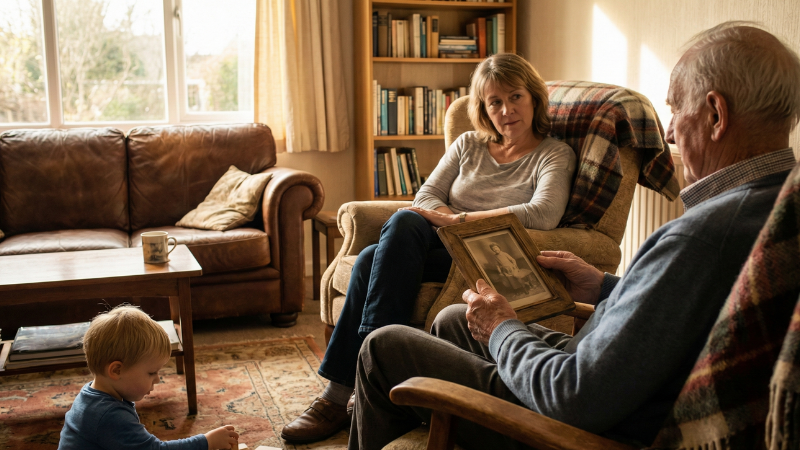
Generational trauma, also called intergenerational or transgenerational trauma, refers to the transmission of stress and harm across family lines after significant adversity. The original events may have happened decades earlier, yet their psychological, relational, and even health impacts can echo in the next generation. People may inherit more than stories - they can inherit chronic patterns of hypervigilance, mistrust, avoidance, anger, or shame that once helped the family survive but now limit safety and choice.
How It Differs From Individual Trauma
Individual trauma centers on an adverse event directly experienced by a person and the symptoms that follow. Generational trauma involves a wider lens: the family’s responses to past adversity shape caregiving, beliefs, and stress biology, influencing children who did not directly experience the original events. Healing usually requires attending to both personal symptoms and the family or community context that keeps patterns alive.
Important Terms
You may see several overlapping terms in this topic. Intergenerational trauma and transgenerational trauma are often used interchangeably with generational trauma. Historical trauma often refers to harms affecting a group over time, such as war, colonization, slavery, or displacement. Ancestral trauma is a broader cultural or spiritual framing for these inherited burdens.
How Trauma Gets Passed Down
Trauma does not pass forward through one pathway alone. It moves through stories, silence, stress physiology, and the practical realities of living with unfair systems or scarce resources. Multiple influences usually interact.
Social Learning, Attachment, and Family Scripts
Caregivers teach safety rules and emotion skills through words and behavior. After adversity, families may emphasize toughness, secrecy, or constant readiness. Children learn to scan for danger, minimize needs, or distrust outsiders. These coping scripts once protected the family and can still help in unsafe environments, but they also restrict flexibility in safer settings.
Stress Biology and Epigenetic Pathways
Chronic stress alters sleep, immune function, and stress reactivity in adults, which can shape the prenatal and early-life environment for children. Research in animals and emerging human studies suggest that stress can influence gene expression via epigenetic mechanisms. Human evidence is still developing, but the practical takeaway is clear: persistent stress exposure in one generation can increase stress sensitivity in the next through caregiving, environment, and biology together.
Neurobiologically, generational stress can alter the hypothalamic-pituitary-adrenal (HPA) axis set-points in offspring. Research on Holocaust survivors and their children, for example, found lower levels of cortisol (a stress-regulating hormone) and higher sensitivity to the glucocorticoid receptor, suggesting a biological readiness for threat even in the absence of a direct trauma
Context Matters: Community, Discrimination, Displacement
Patterns are intensified when families face ongoing racism, poverty, unsafe housing, war, or forced migration. Community-level stressors keep threat high and resources low, making it harder to reset nervous systems and rewrite family scripts.
Signs and Symptoms Across Generations
Generational trauma can look different across households and cultures. The thread that ties signs together is persistence across time and family members.
Emotional and Behavioral Patterns
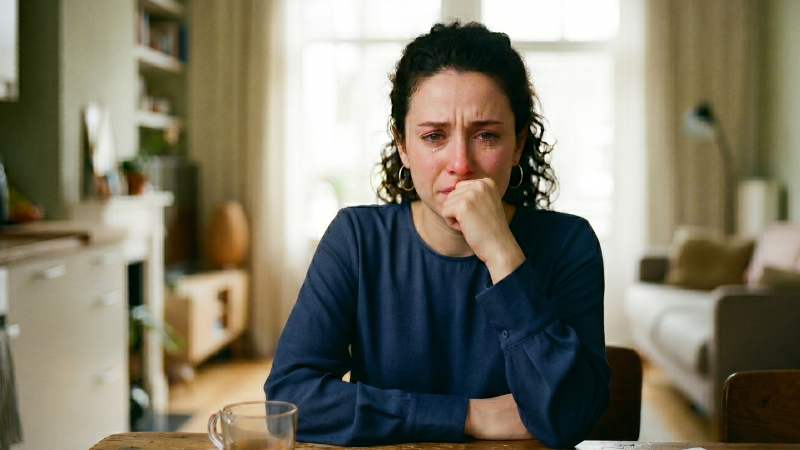
Common patterns include hypervigilance, catastrophic thinking, irritability, numbness, shame, and avoidance of conflict or intimacy. People may switch between overcontrol and loss of control often showing volatile symptoms, or struggle with trust, boundaries, and authority.
Health, Sleep, and Stress Reactivity
Sleep disruption, headaches, stomach issues, chronic pain, and heightened startle are frequent. Stress responses can escalate quickly and take longer to return to baseline, especially under uncertainty.
Relationship and Parenting Patterns
Caregivers may be loving and devoted yet emotionally unavailable under stress. Others may use harsh discipline, secrecy, or control to create order. Children can internalize these strategies, repeating them with partners or their own kids unless new skills are learned.
Common Examples and Case Patterns
Generational trauma manifests through specific behavioral scripts and measurable health outcomes. These patterns often reflect a family’s historical survival mode being applied to a modern context, even when the original threat is no longer present.
-
War and Displacement: Families who fled war or persecution may maintain "go-bags," cash stashes, or extreme secrecy. These are not just habits; they are manifestations of a nervous system that remains in a state of hypervigilance.
-
Household Adversity: Legacies of addiction or domestic violence often create role reversal, where children become the emotional caretakers of their parents. In adulthood, these individuals may repeat rescuing patterns or avoid closeness to prevent being hurt.
-
Systemic Oppression: Historical harms like colonization, slavery, or caste systems create a cultural mistrust. This can be protective against further harm, but it may also create barriers to seeking healthcare or building community support.
Measurable Impacts Across Diverse Populations
Concrete data demonstrates that the echo of trauma is visible in psychiatric and physiological health scores generations later. This biological impact is a direct result of the HPA axis being recalibrated by ancestral stress.
-
Indigenous Communities: In a study of Indigenous people in North America, those with parents or grandparents who attended residential schools - designed to forcibly assimilate them - had 2 times higher rates of psychological distress compared to those whose ancestors did not.
-
African American Communities: The legacy of systemic racism and historical trauma correlates with higher baseline stress. Research indicates that Black Americans are 20% more likely to report serious psychological distress than White Americans, often rooted in the cumulative impact of generational stressors.
-
Holocaust Survivors: Studies on second-generation survivors found that approximately 33% met the criteria for a psychiatric diagnosis (primarily anxiety or depression), a rate significantly higher than the roughly 15% found in control groups of the same age.
Generational Trauma vs Individual Trauma: Quick Comparison
While all trauma impacts the nervous system, the origin and transmission of these stressors determine the path to recovery. Individual trauma is often a reaction to a specific event. Generational trauma is related to patterns written into the family's survival strategy over decades. The following table delineates these differences to help you identify where to focus your healing efforts.
| Feature |
Generational Trauma |
Individual Trauma |
| Origin |
Adversity experienced by prior generations and transmitted through family and community context. |
Adverse event(s) experienced directly by the individual. |
| Transmission |
Social learning, attachment patterns, narratives, stress biology; epigenetic influences are under active study. |
Conditioning, memory, and stress responses tied to the person's own experiences. |
| Presentation |
Cross-generational patterns such as mistrust, hypervigilance, avoidance, anger, shame, and silence. |
Symptoms linked to the event: intrusions, avoidance, arousal changes, and mood or cognition shifts. |
| Interventions |
Individual therapy plus family work, community healing, cultural reconnection, and multi-level supports. |
Evidence-based trauma therapies tailored to the individual’s symptoms and functioning. |
| Goal |
Break intergenerational patterns and expand safety and choice for the next generation. |
Reduce symptoms, restore functioning, and build resilience for the individual. |
How to Break the Cycle and Heal
Healing is possible. The work is both personal and collective: regulate the body, update the story, add skills, and broaden support.
Stabilize the Present
Prioritize consistent sleep, regular meals, movement, and small moments of pleasure. Create predictable routines, reduce avoidable uncertainty, and build tiny habits that signal safety, such as a brief breathing practice before difficult conversations.
Evidence-Based Therapies
Effective approaches include trauma-focused cognitive behavioral therapy, EMDR, acceptance and commitment therapy, and skills from dialectical behavior therapy. These treatments help process memories, regulate arousal, challenge inherited beliefs, and practice new behaviors. When relevant, substance use treatment and psychiatric care support stability.
Family Work, Boundaries, and Repair
Invite trusted relatives to discuss family history and scripts. Set limits that protect current relationships from old patterns, such as pausing when voices escalate. Family therapy can help members name the past without blame and practice new ways of relating.
Culture, Story, and Community Healing
Cultural reconnection, language, ritual, and storytelling restore identity and pride where oppression stripped them away. Community spaces, support groups, and faith practices reduce isolation and distribute resilience.
When to Seek Professional Help
Seek help if symptoms interfere with sleep, work, school, caregiving, or safety for two weeks or more, or if you feel stuck in the same painful cycles despite your efforts. A clinician can help you map patterns, differentiate what belongs to the past from what is unfolding now, and build a tailored plan. If time, travel, or privacy are barriers, online options can lower the threshold to care. Platforms like 7 Cups offer moderated peer support communities and access to licensed therapists online, allowing you to start with low-pressure support and step up to structured therapy when you are ready.
Family experiences can affect us for a long time, and it can be hard to deal with them by yourself. If you are noticing that these experiences are affecting your sleep, relationships, or day-to-day life, talking with a trauma-informed therapist may help. If you are having thoughts of harming yourself or your distress is becoming difficult to manage, reach out for professional help sooner.
Key Takeaways
Generational trauma is the echo of past adversity moving through families via caregiving, stories, stress biology, and social context. It shows up in persistent patterns of vigilance, avoidance, mistrust, and shame, but it is not destiny. With stabilization, evidence-based therapy, family and community work, and culturally grounded practices, many people interrupt the cycle and expand safety and choice for the next generation.
For more support, join our empathetic community, chat with a free, trained listener, make progress through a community-driven growth path, or start affordable online therapy today.
Frequently Asked Questions
Read more below for answers to questions commonly asked about this topic.
What is generational trauma in simple terms?
It is the way past harms in a family or community continue to shape stress, beliefs, and relationships for later generations. Even if you did not live the original events, their effects can influence how you feel and how you relate to others.
How is trauma passed down if I did not experience it?
Children learn safety rules and emotion skills from caregivers, absorb family stories and silences, and grow within the caregiver’s stress levels. Biology and environment interact, so persistent stress in one generation can increase stress sensitivity in the next.
Is generational trauma genetic?
There is no single trauma gene. Emerging research suggests stress can influence gene expression through epigenetic mechanisms, but human evidence is still developing. The most established pathways are caregiving, environment, and learned patterns.
What are common signs in everyday life?
Watch for chronic hypervigilance, catastrophic thinking, shame, irritability, sleep problems, and rigid rules about trust or control. When several relatives share similar patterns, it may suggest a cross-generational influence.
Can generational trauma skip a generation?
Patterns can appear, fade, and reappear depending on context, stress, and support. A stable environment and strong relationships can buffer risk, while renewed adversity can reactivate old scripts.
How is this different from PTSD?
PTSD is diagnosed after a qualifying traumatic event with specific symptom clusters. Generational trauma describes broader cross-generational patterns that may include PTSD but also involve family scripts and community context.
What treatments help most?
Trauma-focused CBT, EMDR, ACT, and DBT skills have strong evidence for symptom reduction and regulation. Family therapy, cultural reconnection, peer support, and community healing add layers that target the intergenerational context.
How can I break the cycle for my kids?
Start by stabilizing routines, naming feelings, and repairing after conflict. Practice consistent boundaries, share age-appropriate family stories that include resilience, and model help-seeking as strength.
Does culture play a role in healing?
Yes. Cultural identity, language, ritual, and community support restore belonging and meaning, which counter the isolation and shame that trauma often creates. These practices can complement clinical care.
When should I seek professional help?
If symptoms impair daily life or safety, or you feel trapped in repeating patterns, reach out to a clinician. If in-person care is hard to access, online services and moderated communities like 7 Cups can provide flexible, confidential support.