Relapse Prevention & Management
Goal
To prevent relapse and overcome it if it does occur.
Relapse Prevention
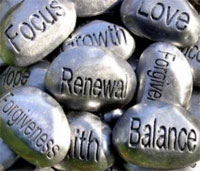 Relapses happen to a lot of people and refer to falling back into those habits you are trying to avoid. They can be very discouraging and make resisting feel even harder sometimes. Many people have times of brief relapse, but you don’t have to! The best way to overcome them is to prevent them from happening in the first place. A lapse is different from relapse in that you use the substance you are trying to abstain from but you do not abuse it.
The following questions can help you to be proactive and stay on guard:
- Did any problems occur today that need my immediate attention?
- Did anything happen today that significantly changed my desire to stay off the substance?
- Did I experience strong cravings or persistent thought of using today that are still with me?
- Did I notice any relapse indicators or warning signs today?
If the answer is “yes” to any of these questions, talk with a supporter immediately and do something about it. Do not let the problem slide.
Signals Exercise
Instructions: Make a list of warning signs that “signal” any weakness and temptation to give in. Then, for each warning sign, write down a coping strategy that will help you get through or avoid the coming temptation. Whenever you recognize the signal of coming trouble, now you’ll know what to do.
| Signals | Warning Signs | Coping Strategies |
|---|---|
Situations Exercise
Instructions: Make a list of high risk situations, where you know you will be more tempted to relapse. For each situation, write down your plan of attack, whether it is to avoid those places or (if that’s not possible or good) otherwise ensure that you will not give in.
| Situations | High Risk Situations | Plan of Attack |
|---|---|
Importance of Balancing
 Balance refers to the ability to reasonably manage the different aspects of your life. Balanced living is not only healthy but also serves as a protection against relapse. Balance can lead to happiness and give you opportunity for personal growth. Everyone has a number of responsibilities in life, or things that “should” be done. Everyone has “wants,” or individual interests that are important too. Balance implies making sure that some of your “wants” get taken care of so that all your energy isn’t directed toward your obligations.
Consider these examples of individuals who benefited from finding balance:
Arthur (Decreasing Workaholism): I was a workaholic. I worked 7 days a week. Even on vacations, I took work with me and called the office every day. My family relationships suffered, and I gave up playing sports, which I used to truly love. Although it was hard at first, I changed my habit of working too much by taking at least 1 day off each weekend, limiting my long days to no more than 2 each week, and planning activities with my wife and kids. I also was using my busy work schedule as an excuse not to work out and started swimming 3 days a week. I feel better, I’m not burned out like I used to be, and my family is happier.
LeeAnn (Developing Spirituality): My drug addiction pretty much ruined my life and caused me to lose everything important- my family, job, dignity, and too much money to count. I knew it wasn’t enough for me not to use drugs. I had to make deeper changes in myself. One thing I found helpful was to work on my spirituality. I started going back to church every week and praying. I also meditate every day for about half an hour. I’m trying to improve myself as a human being and am using my belief in God to help me. So far, things have gone pretty well. I went from feeling empty to having a sense of meaning and direction in my life. Now, I look forward to the future. I’d say that my spirituality is very important to my recovery and well-being.
Karen (Taking Time for Self, Using Creative Talents): I was so busy working and taking care of my family that I never took much time for myself. I’ve always liked writing and music, but never took much time because I put everyone else’s needs first. To get a better balance, I started to do some things just for me. Now, I take some time every day, even if only a few minutes or half an hour, to read, write, or listen to music. I also joined a group of writers. We get together every 2 weeks to share our ideas and writings and to support each other. It’s been great to let my creative juices flow. Plus, the new relationships I’ve formed have been quite satisfying because it gives me a chance to be around other people who like to write and understand the process. I feel this makes me a better mother and person now that some of my needs are getting satisfied.
Balancing Exercise
Instructions: Make a list of your “shoulds” and “wants” and evaluate if your life is out of balance.
Tip: If your “shoulds” greatly outnumber your “wants,” your life is out of balance.
| Balancing | “Shoulds” | “Wants” |
|---|---|
Relapse Management - After it Happened...
The thoughts and feelings you experience following a lapse play a major role in whether or not you continue to use and move toward a full-blown relapse. Following your initial use, if you tell yourself, “I’m a failure, I can’t do this, I’ll never get it together” or “Since I can’t stop myself from going back to using, I might as well continue,” you are at high risk for a relapse because you’ll be tempted to give up. Usually, the more negative your initial reaction to a lapse, the more likely you are to say, “The heck with it” and continue using.
 Your family or others close to you may react negatively to your return to using substances, especially if you were addicted or your substance use had caused serious problems for you or your family. Some people may be supportive and understanding, but other may become upset and angry with you.
The thoughts and feeling you have about a relapse have an impact on whether or not you take action to stop the relapse and get back on the recovery track. If you see yourself as a failure or feel guilty and shameful, you may hesitate to ask a therapist, friend, or family member for help and support. This, of course, is the best thing you can do to get back on track! Find those supportive people, remember why you want to stay clean, and commit to try again.
Here are some helpful tips in being able to overcome a lapse:
- Stop, look, and listen. Figure out what has caused you to lapse. Get out of high-risk situations immediately if there is a threat that your lapse will lead to a full-blown relapse.
- Face your problems. Deal with problems and crises immediately so that things don’t build up to the point where you feel tempted to continue using alcohol or drugs.
- Renew your commitment. Remind yourself of your goals and of how important it is not to use if you are going to reach your goals.
- Use your support network. Ask family, friends, or others in recovery for help and support as needed.
- Learn from your mistakes. See what valuable lessons you can learn from your lapse. Think about ways to use this experience to help you in the future.
Relapse & Lapse Management Exercise
Instructions: Answer the following questions with one of your supporters to help figure out what led to your first drink, cigarette, or other drug use after having quit:
- Describe the main reason you took the first drink, cigarette, or other drug.
- Describe your inner thoughts and feelings that triggered your need or desire for the first drink, cigarette, or other drug.
- Describe any external circumstances that triggered your need or desire for the first drink, cigarette, or other drug.
- Describe the first decision you made that started the lapse or relapse process.
Instructions (part 2): Starting with the very first warning sign of lapse and ending with your substance use, create a sequential “chain” of events that led up to your lapse or relapse:
Time elapse from the first warning sign to using: _____________________
How I felt about using again: _______________________________________________________
How my family or significant others felt: _____________________________________________
Next Step
Consider these words of wisdom:
- Set goals and work toward them
- Stick with your professional treatment until you complete it and avoid early dropout
- Join a mutual support group and actively participate in meetings
- Take medications if they are prescribed to you
- Do not make private decisions to quit professional treatment or mutual support group participation without discussing this with someone who knows you well
- Learn from any mistakes you make
Learn from other people’s relapse experiences by watching the following video: