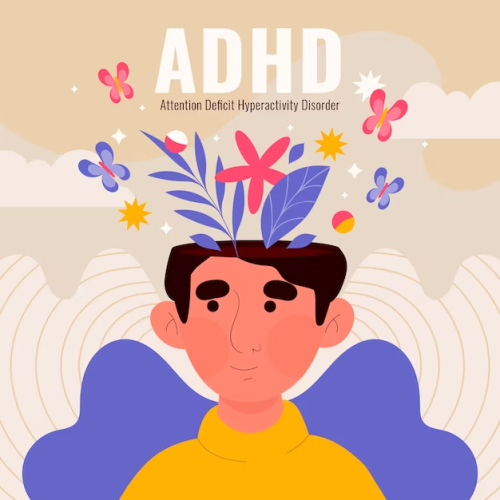
10 Tips for Healthy Living With ADHD as an Adult

"1. Explore New Hobbies
Dopamine is a neurotransmitter that helps a person feel positive emotions, such as happiness and motivation. Those with ADHD often experience low levels of this chemical, meaning they should seek activities that boost dopamine. Trying out a new hobby or engaging in something mentally stimulating can help you feel better, relieve anxiety, and improve your focus.
2. Practice Self-Compassion
Many people with ADHD may struggle with negative self-talk because they are too harsh on themselves when they fall short of expectations. It can be easy to fall into a trap of perfectionism, but working on how you think about yourself is helpful. Studies show that those who practice self-compassion have higher levels of self-acceptance, confidence, and self-esteem. Learning how to love yourself is important–start by allowing yourself to be human and make mistakes.
3. Maintain a Healthy Sleep Routine
Getting enough sleep can help those with ADHD feel more focused throughout the day, reduce stress, and increase productivity. A lack of sleep can increase the risk of daytime accidents, poor health choices, and underperforming at work or school.
4. Try Body Doubling
Body doubling is a tool that can be helpful when trying to stay motivated and on task. Reach out to one or two people to come work alongside you as you focus on completing an assignment or project. They don’t necessarily need to be working on the same thing, but it can be motivating to know you’re not alone in your efforts–and possibly provide a little friendly competition.
5. Set Reminders
Setting reminders can be extremely helpful for adults with ADHD, as it allows them to organize their priorities. Reminders also provide accountability, which some individuals may struggle with. You’ll stay on task and schedule, and important responsibilities won’t be forgotten—especially when you’re busy trying to get through the day.
6. Use Organizational Tools
Organizational tools are essential for adults with ADHD. The main purpose of these is to help you manage your time and tasks effectively, so you can be as productive as possible. Start by using sticky notes, binder clips, and wall calendars to organize your important documents or appointments.
7. Limit Screen Time
Limiting screen time, especially when you are trying to get something done, is beneficial. Try setting an alarm on your phone when using it or watching TV to let you know when it’s time to take a break.
8. Try Natural Remedies
There are many natural remedies for ADHD that can prove beneficial, because they work in different ways than conventional pharmaceutical medications. Natural remedies can help improve symptoms of ADHD alongside traditional treatment approaches. Some examples include practicing mindfulness, getting outdoors, or biofeedback.
9. Learn More About ADHD
Learning as much as you can about ADHD can help you find ways to better manage and cope with challenges. ADHD affects millions of people around the world, but is commonly misunderstood by others. Therefore, the more knowledge about ADHD you have, the easier it will be for you to work with your doctor to find treatment methods that work for your specific needs.
10. Stay Up to Date With Your Medication
Staying on track with your ADHD medication routine is important for managing symptoms and improving your relationships, work performance, and overall health."
Read the full article on Choosing Therapy

@innateJoy9602
Thanks for this helpful post Joy 😸
@SleepyShyCat
Appreciate you for reading!
(You have the most adorable pfp!) 💜
@innateJoy9602
Appreciate you for sharing this info with us 😸 & thanks, I always love yours too ☕