Mania vs Hypomania

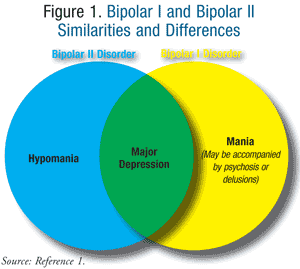
Mania VS Hypomania
*Mania and hypomania are periods of time where a person feels elated, very active, and full of energy. Hypomania is a milder form of mania.
*Mania and hypomania both involve periods of time when an individual suffering from bipolar disorder feels excited and has a marked increase in energy. They differ in how severe the mood changes are.
*Mania is a severe episode that may last for a week or sometimes more. The person may feel uncontrollably happy and with very high energy. The symptoms interfere with daily, and in severe cases, hospitalization may be required.
*Hypomania is an episode that lasts for only a few days. The person may feel very good and function very well. Family and close friends may notice the mood and activity changes while the person suffering from hypomania may not notice.
People who have bipolar 1 disorder experience mania while people with bipolar 2 disorder experience hypomania.
Bipolar disorder is a mental health disorder where a person experiences mood changes, changes in energy and activity levels, and with thought patterns.
Symptoms of Mania
Mania goes past normal mood and energy changes. The symptoms can be so intense that they affect a person's relationships, job, or their well-being.
Symptoms may include:
*uncontrollable excitement
*feeling very happy
*high energy levels that is hard to control
*high activity levels
*difficulty paying attention or focusing
*unrealistic and very high self-esteem, overconfident
*lack of social inhibitions
*racing thoughts
*less need for sleep
*risk taking and reckless activities
*thoughts of suicide or self-harm
People can experience psychotic episodes during manic episodes. They may include:
*hallucinations
*grandiose delusions
The National Institute of Mental Health (NIMH) says that manic episodes in bipolar disorder lasts for at least 7 days, or any duration if the person needs hospital care. Between episodes, they may feel normal or have mild symptoms.
Symptoms of Hypomania
Hypomania is a milder form of mania. People who suffer from Bipolar 2 has hypomanic episodes. Symptoms may include:
*having a higher, happier mood
*higher irritability or rude behavior
*feeling overconfident
*higher energy level without clear cause
*powerful feeling of physical and mental well being
*more social and talkative
*stronger desire for sex
*need less sleep
Differences
*Both mania and hypomania share many symptoms. The severity of these symptoms is the distinguishing factor. Both involve mood and behavior changes beyond the normal, everyday changes.
*Mania is so severe that it prevents the individual from being able to carry out their normal, daily activities. In more extreme cases, the person may need immediate hospital care.
*An individual with hypomania may be able to carry on with their normal daily activities. Family and friends may notice that the person is acting different, however, the individual may not notice any kind of difference. Even though hypomania is not as severe as mania, it can be dangerous and also have negative effects on a persons overall well-being.
People experiencing mania but not hypomania may also have delusions, hallucinations, or manic stupor.
Similarities
*The symptoms of both hypomania and mania involve feelings of being very happy, an emotional high, and feeling more energetic and creative.
*In some cases, a mixed feature episode may occur. A mixed episode is an episode of mania or hypomania that is mixed with depression. During al mixed episode the person may feel energized while feeling depressed, hopeless or empty.
Some life experiences can cause an episode. These episodes are called triggers. Triggers for mania and hypomania include:
*falling in love
*using recreational drugs, especially stimulants
*starting a new creative project
*staying out late/partying
*going on vacation
*listening to loud music
The following factors could trigger mania as well:
*stress
*lack of sleep
*use of antidepressants
When To See a Doctor
If an individual notices mood changes that seem stronger than normal, they should see a healthcare professional. Bipolar disorder can be difficult to diagnose, but providing a comprehensive health history, physical exam, and discussion of moods and symptoms can help. If a friend or family member appears to have symptoms of hypomania, those closest to them may want to talk to them about seeing a doctor and getting treatment.
Treatment and Prevention
There is no cure for mania/hypomania, but people can manage their symptoms with medication and talking therapies. These treatments can help prevent both episodes of mania/hypomania and depression. To prevent these episodes, a person must take their medications as prescribed by the doctor.
Medications that help manage bipolar disorder may include:
*mood stabilizers
*atypical antipsychotics
*antidepressants
*sleep medication
A lot of people benefit from a combination of medication and talk therapy. Talk therapy, also known as psychotherapy, can help provide support, guidance, and education.
People who are on medication should not stop taking the medication without talking with their doctor. Suddenly stopping medication can lead to more severe symptoms if mania comes back. An individual may also suffer from withdrawal symptoms.
People can try the following lifestyle changes to help manage their symptoms and possibly avoid triggers:

@Mamamel very helpful information, thank you...
@BalackAndOrange
So happy that you found this useful and informative. You're welcome. Have a wonderful day!
In my case hypomania is prevalent since I also have meajor depression...on the reverse of the coin, mania helped me cope with dayly life...in my case mania was mainly good while hypomania was destroying me slowly...
@BalackAndOrange
Sometimes mania can be a good feeling and help with getting out of that rut that depression brings, at least until the depression hits again :( what a vicious cycle we live. Hope this was informative for you, have a wonderful day.

I have Bipolar II. My hypomania tends to be more aggitated and irritable. So lately I've been having terrible anger. Something I don't normally feel. I'm trying to figure out if it is from hypomania, grief, or post concussion syndrome as I hit my head open about a month ago. There are too many variables and I really don't want to get diagnosed with yet another mental illness when there are too many variables.
@Cammiecat
That is so understandable that you wouldn't want to be diagnose with another illness at this time. You really do have a lot of variables that all could be influencing your anger as they all have the tendency to perpetuate anger. I hope that you can get to the bottome of this so that you can return to being normal self again. Good luck and have a great day.

I always struggle to see when I go into either a manic or hypermanic phase even 10 years in. Thankfully my hubby sees it. This list will help him. Thank you 💕