Sewing Saturday - Dyeing Fabric (Part of Crafting a Creative Summer)

Sometimes we just can’t find the fabric for our project in the colour we want, while it may be a bit intimidating at first, learning to dye fabric can open up a whole world of colour opportunity.
Dyes have come a long way. Today you can easily get all purpose dyes, dyes made specifically for synthetic fabrics, powder and liquid forms, dyes you can use in your washing machine, and various fixatives that can help enhance the results. There are also lots of natural dyes and techniques that have been used for centuries.
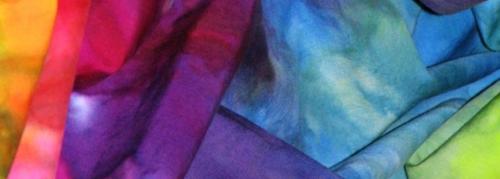
[image consists of an array of different colours of dyed fabric]
While every brand of dye will come with specific instructions on how to achieve the best results based on the type of fabric and dye you are using, I’ll touch on some of the more common methods used for dyeing fabric.
Sink/Bucket Method
This may be the most common and traditional method for dyeing fabric. Using a stainless steel sink (not recommended in porcelain or fiberglass sinks as they will very likely become stained in the process) or a plastic container that you won’t mind staining. Essentially this method creates a bath of dye where you soak your fabric. This method also allows for easily customizing colours and testing results with a paper towel before you commit to the colour.
Stovetop Method
This method may be the most daunting as it requires heating a very large pot of water(approx. 11.5L per pound of fabric to be dyed). This method is however sometimes required for dyeing synthetics, or when you want to achieve the most intense or darkest colour possible. Having a big enough pot is very important as fabric needs enough room to move freely in the water or it may end up unevenly dyed. This usually also requires lots of ventilation and care when dealing with such a large quantity of hot dye bath.
Washing Machine Method
This may be the easiest of all the methods available, but is actually only recommended if you are unable to use the sink or stovetop method because an item is too large. While most washing machine safe dyes won’t discolour any metal parts of the washer, plastic components may become discoloured especially if not promptly cleaned after dyeing. Essentially with this method you will add your fabric and dye to the washing machine using a predetermined ratio of dye to water, and selecting the washing machine cycle recommended by the dye manufacturer.
Spot Dye Method
This method is used when you only need to dye a very small amount of fabric, or a small area of a larger piece of fabric. Depending on the type of fabric it may also require the application of heat like that of an iron to help set the dye.
Microwave Method
This method is a way to benefit from the application of heat during the dyeing process without needing to heat up a large pot of water. Many dyes work best when heat is involved to help dyes set. This method is actually great for things like tie-dyeing and other decorative dye techniques.
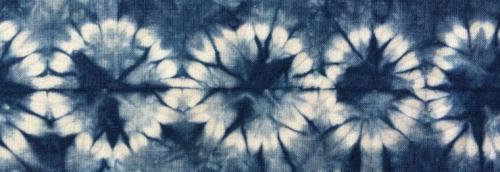
[image consists of an indigo Shibori dye pattern]
While we can simply dye an item a solid even colour, oftentimes we will want to achieve a pattern or variation in the dye intensity which can be achieved using a variety of different techniques like those outlined below.
Tie-Dye (and Reverse Tie-Dye)
A process which involves strategically shaping and tying fabric and applying dye, the tied areas will absorb less or little dye and give tie-dye its characteristic look. Common methods like the spiral are achieved by how the fabric is gathered and tied prior to dyeing. Reverse tie-dye simply involves an additional step of bleaching or removing colour from a section of the garment after wrapping but prior to applying dye.
Shibori
This Japanese dyeing technique frequently uses indigo dye and is similar to tie-dye and involves folding, twisting or bunching and binding cloths to create patterns.
Ombre
Ombre is all about careful immersion and timing. Starting by immersing only the section of fabric you wish to be darkest in the dye bath then gradually immersing more and more of the fabric, the less time the fabric is immersed in the dye bath the lighter the colour will be. Some will even choose to leave the extreme other side white or undyed.
Ice Dye
This method uses ice and powder dyes to create interesting patterns and effects with the dye as the ice melts. The shape and size of the ice and how much powder is sprinkled on top will impact the results.
Marbling
Marbling can be a bit of fun. It often involves using a layer of shaving cream to provide a surface where dye can be manipulated and controlled into a pattern prior to applying, then carefully laying the fabric into the dye on the surface. With this method you can have a fairly high degree of control over the results and placement of designs.
Colour Blocking
This method allows for using multiple colours with bold clean lines rather than blending. Often dyeing larger sections first leaving an area undyed between the two colours. Once both sides are rinsed and excess moisture removed the remaining dye bath is carefully applied to the white area with a paint brush each colour to ensure clean lines and avoid the colours blending together.
Wax Resist
Wax resists involve using melted wax to draw or create a design on the fabric that you wish to remain undyed. The fabric is then dyed in a cold dye bath. After the garment is dyed and the dye has set, it is placed in boiling water to then remove the wax.
While the process of dyeing fabric can be a bit daunting at first, it can also be a lot of fun and great for self expression. I actually also recommend making the most of your dye by having a bit of fun with leftover dyes and some plain white fabric. (The fabric I used for the apron in last week’s sewing post was from using up the leftover dyes after a tie-dye party.)
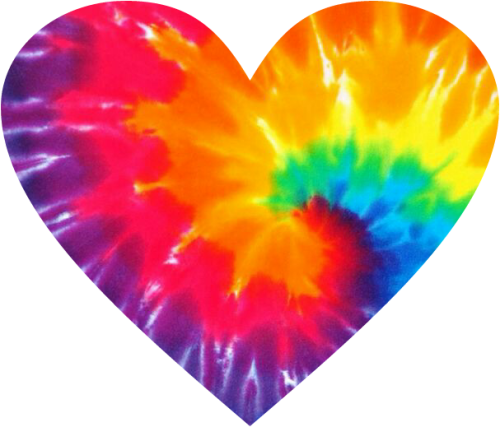
[image consists of a heart with a spiral tie-dye pattern in rainbow colours]
Source: Rit Dye's website - A great resource for learning all you want to know and more about dyeing fabric.
Do you think you will try dyeing your own fabric?
What is your favourite technique for creating designs with dye?
Part of Crafting a Creative Summer
@EmotionsListener
I will definitely give it a go and tie dye some thsurts with some funky designs with my nephew 😁💜