Mass Shooters: A Systematic Psychiatric Study
It's every American's worst nightmare: a mass shooting. The subject of mental health is brought up every time, and yet there is a dearth of psychiatric research since perpetrators often die in the incident and those who survive are mired in legal repercussions.
Cerfolio's team focused primarily on the ample forensic psychiatric assessments done in prison on the 35 assailants who survived incidents in the United States between 1982 and 2019. They combed through psychiatric evaluations from the judicial proceedings, interviewed the forensic psychiatrists who conducted direct assessments and examined the shooters' backgrounds. Additionally, they randomly selected 20 deceased shooters from that same time period and analyzed all the information they could find.
After gathering all the clinical and background information, they then determined whether the perpetrators could be diagnosed with psychiatric illness by utilizing standardized instruments such as the American Psychiatric Association's Diagnostic and Statistical Manual of Mental Disorders (DSM-5) and the Sheehan MINI standardized scale (which assesses functional impairment in work, social/leisure activities and family life).
Their findings showed a high prevalence of undiagnosed psychiatric illness in mass shooters:
· The majority of surviving shooters (87.5%) had misdiagnosed and incorrectly treated, or undiagnosed and untreated, psychiatric illness. Researchers found psychiatric illnesses including schizophrenia, mood disorders, delusional disorder, severe personality disorders, substance-related disorders and PTSD. There was insufficient information in three cases.
· A clinical misdiagnosis and mistreatment of pre-pubertal, early-onset schizophrenia was associated with the worsening of many of these assailants’ psychotic symptoms.
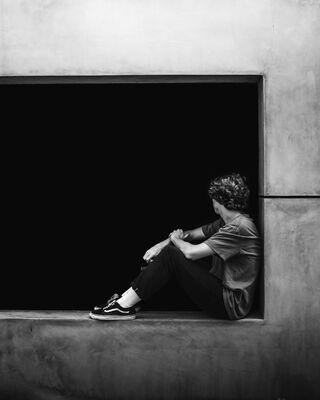
· Most perpetrators studied experienced profound estrangement not only from families, friends and classmates but most importantly from themselves.
· Being marginalized and interpersonally shunned rendered them more vulnerable to their un/mistreated psychiatric illness and to radicalization online, which fostered their violence.
Family members can also be afraid of the stigma. The study highlighted one case where the family of a 15-year-old school shooter had concealed his psychotic symptoms from a treating psychologist.
“Given the social stigma of mental illness, these mass shooters did not receive proper psychiatric care until they were incarcerated. The ironic tragedy with some of these assailants was that their brain illness responded well to antipsychotic medication while they were incarcerated and their violent acts might have been prevented if they had received proper psychiatric medication prior to their shooting spree.”
Cerfolio warns of the larger societal issue that is a contributing factor: “Many people focus on diagnoses, but we also must start focusing on people who are isolated and have been discarded by society, often even by their own family. They don’t know how to get help, or can’t access help on their own. Mass shootings will continue to happen in America until we address this epidemic as a society.”
What are your thoughts on this article?
#ForensicPsychology #MentalHealth #Profiling

@calmDew1576
Very interesting article!
I find it insane how one of the families concealed psychotic symptoms of the shooter to the treating psychologists.
Thanks for sharing💛✨