Psychology Today: Contact With Nature as Therapy

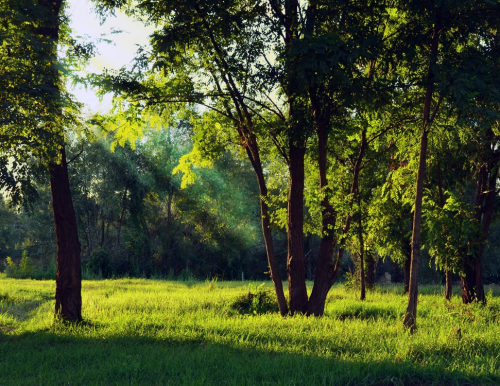
"Contact with nature can replenish our mental resources, particularly after a long time in the stressful, energy-draining environment of the city.
Kaplan and Kaplan described four stages of restoration, beginning with a clearing of the mind, in which thoughts begin to slow down and fade away. The second stage is mental fatigue recovery when we de-focus our attention and allow our mental energies to recharge. Then we gently focus our attention on the natural environment, which further reduces the chatter of our minds, almost as if we are meditating. Finally, we enter a stage of ‘reflection and restoration’ in which we fully relax, feel a sense of mental freshness, and are able to reflect anew on our lives and our goals.
Other Beneficial Aspects of Connection With Nature
Attention restoration is just one of the beneficial effects of contact with nature. These effects have been extensively researched in recent years, leading to the coining of the phrase “ecotherapy.”
The first systematic research in this area took place in Japan, where in the 1980s, the government-funded studies into the practice of ‘forest-bathing’ (shinrin-yoku). This simply means walking quietly through a forest, observing the natural phenomena around you while breathing slowly and deeply.
Many studies have found that the practice has significant mental and physical benefits, such as reduced blood pressure, lower cortisol levels, a stronger immune system, better sleep, and improved memory and concentration. As a result, shinrin-yoku became an important part of Japan’s healthcare system as a preventative medicine tool.
The above therapeutic effects make sense when we consider that, until recent times, all human beings lived in constant close contact with nature. A feeling of connection to nature is deeply ingrained in us. Nature has always been our home, and so we always feel most comfortable when we are close to it. (The biologist E.O. Wilson referred to this attraction to nature as ‘biophilia.’) Conversely, a lack of contact with nature may induce a feeling of unease. We may suffer from what the author Richard Louv has called "nature deficit disorder." In my view, the effects of nature deficit disorder have not been fully appreciated by psychologists and medical professionals.
KEY POINTS
- A massive amount of research shows that contact with nature is therapeutic, leading to the term ecotherapy.
- In Japan, forest bathing is an important aspect of preventative medicine.
- Contact with nature is therapeutic because it has a meditative effect and because we feel an instinctive sense of "at-home-ness" in nature."
Read the full article here
#Ecotherapy #Well-being #MentalHealth #Nature
💬 Does Ecotherapy sound appealing to you? Why yes/no?

@globalBraid3744
Sunlight is shown to be very beneficial to our health by boosting serotonin levels and regulating our body hormones! Going outside in itself is helpful to our health. Additionally going out to nature allows us to avoid pollutants from living in our areas.
@sunnyWriting4806
It is a good point that spending time in nature also gives our body some rest from pollutants, especially when living in a city. I think going to nature on a regular basis is beneficial to everyone not only to people in need of therapy.