Understanding Your Fear of Driving

A fear of driving a car, also referred to as amaxophobia, ochophobia, motorphobia, or hamaxophobia, is a type of phobia that results in a persistent and intense fear of driving or riding in a vehicle.
Some people experience distress or fear while being a passenger in a car, while others fear driving in specific situations, such as driving over a bridge, through a tunnel, at night, at high speeds, changing lanes, or merging.
Moreover, this intense fear is often more significant and debilitating than the fear or worry caused by general stress or anxiety. When left untreated, this fear can disrupt daily routines and contribute to other long-term health conditions.
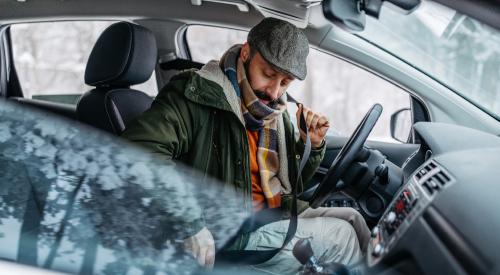
Why are people afraid to drive?
While the distress or fear of driving happens for a variety of reasons, one of the more common causes is the fear of having a panic attack while driving.
“Sometimes, people have a panic attack when driving and then have a significant fear of that happening again. This leads some people to stop driving altogether.”
According to Wind, some other causes include:
- past experiences of car accidents
- being lost
- traveling through heavy traffic
- watching a bad car accident on television
- having someone you know experience an accident
- a lack of trust in your driving skills
The most common symptom of a driving phobia, says Greene, includes a marked distress or avoidance around driving.
Additionally, you may feel or experience any of the following symptoms, which are often similar to general anxiety symptoms:
- panic and fear, which is often excessive, persistent, and unreasonable
- strong desire to get away from the car
- sweaty palms
- disorientation
- confusion
- shortness of breath
- dizziness
- racing heartbeat
- rapid breathing
What’s the outlook for people with a fear of driving?
Behavioral treatment can help you manage a driving phobia. “Treatment often involves exercises called ‘exposures’ that involve becoming gradually more comfortable with the situations associated with the phobia.”
Typically, these are either driving scenarios or physical sensations experienced when driving. Since treatment is often effective, it’s important to seek help right away.
Not only does a driving phobia limit your daily activities, but living with a specific phobia could also increase your risk of developing certain health conditions such as heart, respiratory, cardiac, and vascular disease, according to a 2016 study.
To mitigate this risk, researchers suggest therapy as a way to manage your phobia.
Source: https://www.healthline.com/health/mental-health/understanding-your-fear-of-driving
Things to
remember
· A driving phobia, like other specific phobias, can interfere with your daily routine and affect your quality of life.
· It’s possible to learn how to be comfortable with driving.
· If you notice anxiety, fear, or panic while driving or as a passenger in a car, make an appointment with your doctor or a mental health provider.
What were your feelings the first time you drived?
#Driving #Anxiety #Phobias

@calmDew1576 terrifying definitely haha! Takes a while to get used to the nerves 😅
@Optimisticempath Every new start is challenging! But time and practice help you get used to it eventually. Everything can be faced and I'm sure you'll make it! Thank you for sharing your thoughts!