VeryWell Mind: Severe COVID May Speed Up Cognitive Decline: Experts Explore Routes of Care
"Recent work by a team of British researchers published in the journal, eClinical Medicine found that cognitive function loss was comparable to that typically seen as a person ages from 50-70 years old, and is similar to losing 10 IQ points—But this is just the tip of the iceberg.
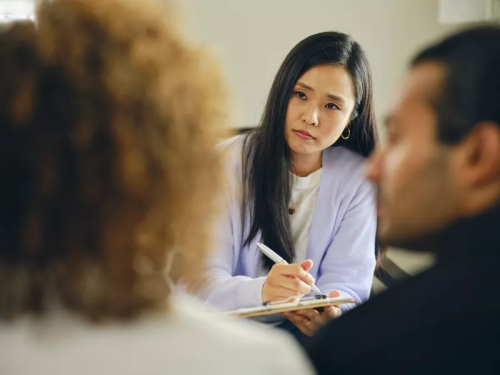
While those behind the study highlighted a number of areas of further inquiry, including tracking patients across a longer timeline, mental health practitioners and researchers say that their field has a significant role to play in supporting COVID-19 survivors.
Mental Healthcare for COVID Survivors is Vital
The study, published in eClinical Medicine and publicly available from The Lancet, saw 46 patients undergo continued cognitive testing both during and after hospitalization in the early stages of the pandemic.
The results, in the words of the researchers, show that “severe COVID-19 illness is associated with significant objectively measurable cognitive deficits that persist into the chronic phase.” According to experts in the mental health field, psychological support is vital to survivors as their slow and uncertain recovery continues.
Dr. Dean Aslinia, PhD, LPC-S, NCC, is an associate dean with the College of Social and Behavioral Sciences at the University of Phoenix. He says that with trauma existing on a “continuum,” a continuum that can be varied when it comes to the collective trauma of the pandemic, it’s important for practitioners and patients to begin by addressing any underlying or related mental health issues before they begin to build back cognitive function. He says it’s very rarely just COVID-19's direct bodily impact that is weighing on those who have survived the illness and are experiencing cognitive deficits.
Timeframes and Politics Pose Challenges for Practitioners
Dr. Steven Pratt, MD, a senior medical director for Magellan Health, and the former executive medical director for behavioral health in the Minnesota Department of Human Services says that these long timeframes present challenges for mental health practitioners because it takes a significant amount of time for what a professional may be seeing in a clinical setting to be reflected in the literature.
Another barrier that Dr. Pratt sees for practitioners is the politicization of public health that has coincided with the rise of COVID, particularly when it comes to prevention. He leans into the belief that “an ounce of prevention is worth a pound of cure,” but that for the prevention to be effective it must be a communal effort.
Mental Health Benefits for Survivors Require Continued Support
Despite the roadblocks to care, Dr. Borelli reiterates that mental health care is key to the recovery of COVID-19 survivors and for that care to be a continued practice.
Dr. Pratt, meanwhile, suggests that what he calls “positive health practices,” the day-to-day health maintenance of doctor-suggested exercise, diet, and sleep; be combined with a heavy focus on social interaction. It’s an aspect of mental health that he feels has been neglected since the early days of the pandemic.
Dr. Borelli says that one of the benefits of psychological support for COVID-19 survivors is to provide space and tools to be able to imagine different futures from the one that may feel both dire and inevitable. She feels this is especially true with the unknowns that come with ongoing research into the long-term cognitive effects of COVID-19.
Read the full article here!
#Covid19 #Recovery #Mentalhealth #Research

@comfortableNight4463
It is scary that COVID can cause cognitive decline. I wish every COVID survivor had free access to the mental healthcare professionals that could help with their recovery.
@globalBraid3744 I wish for that too! Unfortunately most of the health care workers are overworked and burnt out dealing with the pandemic, I hope the situation gets better
@comfortableNight4463
That's true, their hard work needs to be acknowledged! Thankfully, the COVID situation is already getting better in my country.
@globalBraid3744 Same here! Hopefully it stays that way.

@comfortableNight4463 The lasting effects of this pandemic and the actual infection of COVID is horrible and we will be seeing these effects for a while. Mental health help is really important in recovering from the effects of this pandemic and I wish that more people had access to care. Thank you for sharing!
@fruityPond7887 I agree! I wish more awareness was spread on this topic so people can seek remedies.

@comfortableNight4463 covid directly attacks your brain as well cause it alters your smell and taste perception
@zealousGrace5023 It sure does!
@comfortableNight4463 mhm mhm!