Improve Depressed Mood (Part I)
Goal
To learn strategies for improving depressed mood.
Gargoyle Metaphor (Otto et al., pp. 46-47)
 Imagine as if your depression is a heavy, stone gargoyle. You can feel the weight of it on your shoulders-making everything you do harder. It makes it harder for you to be motivated, harder for you to get anything done, harder to get out of bed, and harder to concentrate. One of the worst aspects of the gargoyle is that it isn’t quiet. It is whispering in your ear. It is saying things like, “Look at you, you’re depressed; what is the matter with you? You aren’t happy like other people.” In particular, the depression gargoyle wants you to blame yourself, to remind you of other times in your life when things were going poorly, and to label everything that happens in extreme terms. If something does not go well, the gargoyle says, “you failed” or “you blew it” or “that was a disaster.”
If you do something on track, the gargoyle will tell you that your attempts are useless. If you feel bad, the gargoyle will tell you that this is the way it will always be. If you make a mistake, the gargoyle will tell you that this occurred because you are flawed. This is the gargoyle’s method. And remember, because you are depressed, many of the messages whispered by the gargoyle will feel true. The gargoyle tries to make everything appear darker, because if you blame yourself instead of the depression gargoyle, it can just keep sitting on your shoulder, weighing you down, and making everything harder.
Gargoyle Metaphor Exercise (Otto et al., p. 47)
Instructions: Reflect on how this perspective of a depression gargoyle sounds to you. Does it describe your depression at all? If so, in what ways? Consider that your goal is to make sure you do not buy into the gargoyle’s message and instead embrace the message that you are currently hurting, seeking help, needing support, and needing to treat yourself kindly while you are working at change.
Automatic Thoughts (Otto et al., pp. 48-51)
One of the first steps in trying to keep the gargoyle’s voice from interfering with this process of change and growth is to become more aware of what it is whispering in your ear. Those whispers represent automatic negative thoughts that are helpful to become aware of in order to change the thoughts for the better. These negative thoughts typically fall into one of three categories:
- Negative views toward the self
- Negative evaluations of situations, events, and the future
- Pessimistic memories of one’s past
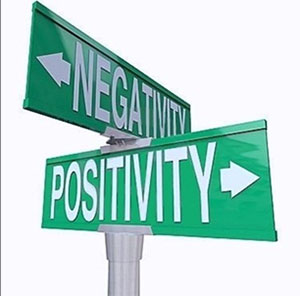 Another word for a thought is cognitions. Cognitions are simply thoughts, images, and attitudes that occur on a moment-by-moment basis. Our perceptions and cognitions help define the world for us and can affect how we feel. When our cognitions are negative, they tend to produce negative feelings, such as sadness, hopelessness, and guilt.
An example of a negative thought you may be having right now that the gargoyle is whispering to you is that going through this guide is a waste of time. Perhaps you feel so stuck in your struggle against your depression that you feel hopeless and as though there’s no possibility of things getting better. If that’s the case, now that you have become aware of the thought, choose not to buy into it. Just because you have a thought does not mean that it is true nor does it mean that you have to follow it and act accordingly (i.e., stopping going through this guide).
You have a choice. If you choose to give in to the depression gargoyle and get upset with yourself for what you are experiencing, you will likely intensify and lengthen your experience of depression. If instead you turn your back on the depression gargoyle and move toward positive thinking and meaningful activities, the depression gargoyle won’t have a choice but to leave you alone. Be appropriately selfish about your thoughts and start guiding yourself with only those thoughts that help you, that are useful for you.
Become More Active (Otto et al., pp. 51-52)
Depression can lead to decreasing your level of activity. The depression gargoyle would like nothing more than to see you isolate yourself from others and find no enjoyment in life. Feeling as though you don’t want to do anything can lead to not having positive experiences and not noticing the good things going on in your life and in the world. You can choose, however, to engage in positive activities despite how you feel, which leads to finding more enjoyment in life. Start by choosing three things from this list to incorporate into your week: http://cornercanyoncounseling.com/wp-content/uploads/2015/05/Pleasurable-Activities.pdf
Mood Monitoring Exercise (Greenberger & Padesky, pp. 164-169)
Instructions: The purpose of this exercise is to help you identify what you are doing when you feel most depressed. It can also serve as a guide to see what changes in your behavior might help you feel better. Fill in the mood monitoring table on the next page for one week. For each hour, write in the activity(s) you were doing and rate your mood on a scale from 0 to 100.
Tips: The more hours you fill in for the week, the more you will have a chance to learn about the mood you are rating. If you forget to do it one day, don’t give up-just continue the ratings when you remember. To help remember, carry a copy with you. You can fill it out several times a day rather than hourly if you find that easier.
| 0 | 10 | 20 | 30 | 40 | 50 | 60 | 70 | 80 | 90 | 100 |
| Terrible | Bad | Okay | Good | Great | ||||||
| Mood Monitoring | Time | Monday | Tuesday | Wednesday | Thursday | Friday | Saturday | Sunday |
|---|---|---|---|---|---|---|---|
| 6-7 a.m. | |||||||
| 7-8 a.m. | |||||||
| 8-9 a.m. | |||||||
| 9-10 a.m. | |||||||
| 10-11 a.m. | |||||||
| 11-12 p.m. | |||||||
| 12-1 p.m. | |||||||
| 1-2 p.m. | |||||||
| 2-3 p.m. | |||||||
| 3-4 p.m. | |||||||
| 4-5 p.m. | |||||||
| 5-6 p.m. | |||||||
| 6-7 p.m. | |||||||
| 7-8 p.m. | |||||||
| 8-9 p.m. | |||||||
| 9-10 p.m. | |||||||
| 10-11 p.m. | |||||||
| 11-12 a.m. | |||||||
| 12-1 a.m. |
Analyzing Activities Exercise (Greenberger & Padesky, p. 170)
Instructions: Now that you have charted your moods and activities for one week, analyze your table to look for patterns. Answer the following questions to help you do the analysis. Your answers can help you identify activities you might need to change in order to feel better.
 Did my mood change during the week? How? What patterns do I notice?
- Did my activities affect my mood? How?
- What activities helped me feel better? Why? Are these activities in my best long-term interest? What other activities could I do that might also make me feel better?
- What activities helped me feel worse? Why? Are these activities in my best interest to do?
- Were there certain times of the day (e.g., mornings) or week (e.g., weekends) when I felt worse?
- Can I think of anything I could do to feel better during these times?
- Were there certain times of the day or week when I felt better?
- Looking at my answers to questions 3 and 4, what activities can I plan in the coming week to increase the chances that I will feel better this week? Over the next few months?
Next Step
Complete the mood monitoring table each week until you notice a significant improvement in your mood. Have a smartphone? You could also use an app like the T2 Mood Tracker: http://t2health.dcoe.mil/apps/t2-mood-tracker