Discover when pessimism helps and when it hurts. Learn defensive pessimism, common pitfalls, and practical tools to use pessimism wisely in daily life.
Table of Contents
What Pessimism Is and Why It Shows Up
When Pessimism Helps: Defensive and Strategic Uses
When Pessimism Hurts: Cognitive Traps and Costs
Pessimism vs Optimism: Finding a Useful Middle
Quick Tools: Turn Pessimism Into Planning
When Pessimism Signals Anxiety or Depression
Key Takeaways
Frequently Asked Questions
What Pessimism Is and Why It Shows Up
Pessimism is the tendency to expect unfavorable outcomes or to scan for what might go wrong. It often develops as a protective strategy to manage uncertainty and prepare for risk. Used thoughtfully, it can motivate planning and prevent avoidable mistakes, making it a potentially useful mindset when it leads to preparation rather than paralysis.
Survival Logic and Threat Scanning
From a survival perspective, brains prioritize potential threats to keep you safe. This bias toward danger detection can tilt thinking toward the negative, especially under stress or chronic overload. Recognizing this wiring helps you separate real risk from habitual worry so you can plan effectively.
Learned Patterns and Environment
Pessimistic habits can be learned from family norms, critical environments, or repeated setbacks. When pessimism becomes your default, it may start to feel like realism even when evidence suggests a more balanced view. Awareness is the first step in recalibrating that default, followed by small experiments that test more balanced predictions in low stakes situations.
When Pessimism Helps: Defensive and Strategic Uses
Pessimism is not always bad. In the right context, it is a tool for preparedness.
Defensive Pessimism in Performance
-
Set a Goal: Choose a specific outcome that matters.
-
List Likely Obstacles: Write the concrete things that could go wrong.
-
Plan Preparations: Turn each risk into a rehearsal, safeguard, or skill rep.
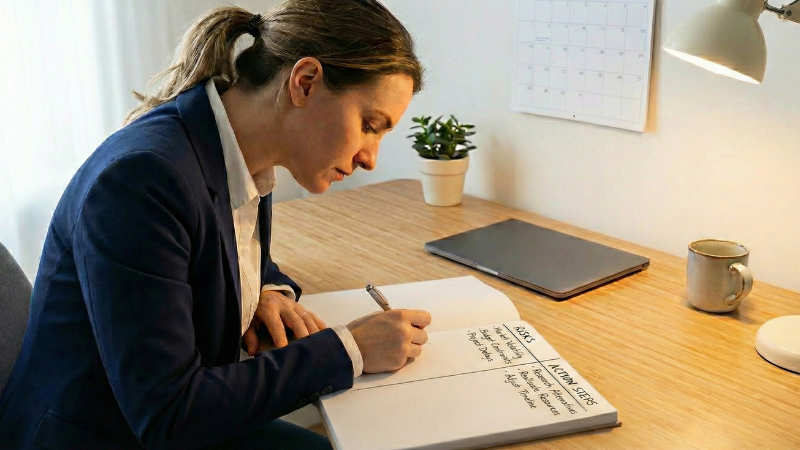
This approach channels worry into practice and contingency planning that improve outcomes and confidence. Athletes, students, and presenters often use defensive pessimism to drive realistic rehearsal rather than getting stuck in vague dread.
Risk Management and Pre-mortems
-
Do a Pre-mortem: Imagine the project failed and describe why in one paragraph.
-
Extract Causes: Pull the top three failure reasons from that narrative.
-
Build If-Then Safeguards: Create simple responses and schedule them.
Pre-mortems convert vague dread into concrete prevention that reduces surprises. Teams that run quick pre-mortems tend to surface hidden assumptions earlier and move faster with fewer costly resets.
When Pessimism Hurts: Cognitive Traps and Costs
Pessimism becomes harmful when it drives avoidance, strains relationships, or hardens into hopelessness. Watch for these patterns and redirect them toward action.
Cognitive Traps
-
Catastrophizing: Leaping from a setback to the worst case.
-
Fortune-Telling: Predicting failure as fact without evidence.
-
Mind Reading: Assuming others think the worst of you.
-
Overgeneralizing: Turning one negative event into a global rule.
These distortions feel convincing in the moment because they create an illusion of certainty. Naming the pattern aloud reduces its power and opens the door to testing alternatives.
Relationship and Motivation Costs
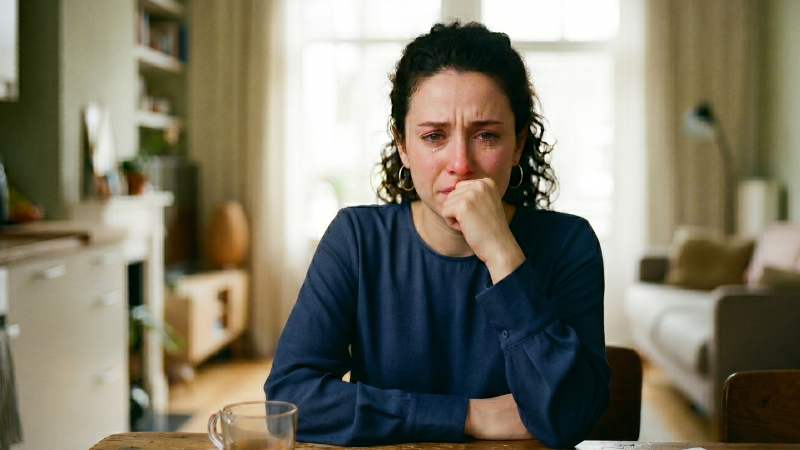
Persistent negative predictions erode motivation and closeness. Partners and teammates may feel dismissed or burdened, and you may stop trying because failure feels predetermined. This cycle quietly lowers performance and increases conflict, particularly when negative predictions are used to mask deeper vulnerabilities. When an insecure mindset drives your outlook, pessimism often functions as a defensive crouch to prevent the perceived pain of social rejection or failure
Helpful vs Harmful Pessimism at a Glance
| Feature |
Helpful Pessimism |
Harmful Pessimism |
| Purpose |
Plans for obstacles and improves preparedness. |
Assumes failure and avoids action. |
| Thinking Style |
Specific, testable concerns turned into steps. |
Global, absolute predictions about doom. |
| Emotion |
Alert but steady; manageable nerves. |
Chronic dread, anxiety, or hopelessness. |
| Behavior |
Creates backups, practices, and safeguards. |
Procrastinates, withdraws, or self-sabotages. |
| Outcome |
Higher readiness and fewer surprises. |
Lower motivation and strained relationships. |
Pessimism vs Optimism: Finding a Useful Middle
Healthy thinking blends realism about risk with belief in agency. You can acknowledge obstacles while still expecting that effort and support will influence results. The goal is not to eliminate negative predictions but to calibrate them so they spark planning, not paralysis.
Realistic Optimism vs Toxic Positivity
-
Realistic Optimism: Accepts discomfort, looks at evidence, and plans for it.
-
Toxic Positivity: Denies problems and shames normal emotions, which blocks planning and growth.
With realistic optimism, you validate worry and then ask what action the worry is pointing to. That sequence keeps empathy and problem solving connected.
Setting Calibration Checks
-
Evidence Check: What facts support and contradict my prediction?
-
Base Rate Check: What usually happens in situations like this?
-
Update Check: What new information would change my mind?
-
Scope Check: Is this a one time issue or a repeating pattern?
These calibration questions keep thinking flexible and accurate, reducing bias and overconfidence.
Quick Tools: Turn Pessimism Into Planning
60-Second Reframe
-
Name the Worry: One clear sentence.
-
Most Likely Outcome: Replace worst-case with probable-case.
-
One Next Action: Pick a step within your control.
Small reframes reduce intensity and create momentum. Even a micro-step like drafting a subject line or laying out workout clothes builds agency and interrupts rumination.
If-Then Coping Plan
-
Map Triggers: If obstacle X happens, then I will do Y.
-
Keep It Tiny: Each Y should be doable within 5 to 15 minutes.
-
Rehearse Once: Review before stressful moments.
If-then plans lower anxiety by pre-deciding responses. They also make it easier to follow through because you remove the friction of deciding under stress.
Pre-mortem to Action List
-
List 3 Failure Reasons: Be specific and practical.
-
Translate to Actions: Safeguard, practice, or delegate for each.
-
Schedule One Rep Today: Action beats rumination.
You can also pair this section with a simple three column thought record to structure reflection:
-
Situation: Briefly describe what happened.
-
Thought: Capture the automatic prediction or belief.
-
Alternative Thought: Write a balanced, testable reframe you can act on today.
When Pessimism Signals Anxiety or Depression
Daily negative predictions that disrupt sleep architecture, appetite, or cognitive focus often reflect clinical anxiety or depression rather than a simple thinking style. When pessimism becomes persistent, it results from a state of increased anxious arousal or a depressive bias in the brain’s threat-detection centers that requires professional intervention. Red flags include morning dread, a loss of interest in activities, and a pervasive sense of hopelessness that suggests planning will not influence the outcome.
While self-help tools manage mild pessimism, shifting ingrained cognitive distortions typically requires evidence-based frameworks like cognitive behavioral therapy (CBT) or acceptance and commitment therapy (ACT). Online therapy platforms like 7 Cups provide a critical bridge to these resources by connecting you with licensed therapists to restructure how your brain processes risk and reward. Beyond formal treatment, you can also access 24/7 support through trained listeners and confidential community chatrooms to practice calibration checks and process immediate stressors in a low-pressure environment.
Addressing pessimistic patterns early shortens the road to recovery and restores the energy needed for daily functioning. Whether you are seeking a perspective check from a listener or intensive work with a therapist, 7 Cups ensures you have the clinical tools to protect your mental health and stay committed to your goals.
Key Takeaways
Pessimism is not always bad - it can be a planning tool when it stays specific, testable, and action oriented. It becomes harmful when predictions harden into hopelessness, avoidance, or strained relationships. Aim for a balanced stance that honors risk and builds agency with clear steps, and consider 7 Cups peer support or therapy if negativity feels persistent or overwhelming.
For more support, join our empathetic community, chat with a free, trained listener, make progress through a community-driven growth path, or start affordable online therapy today.
Frequently Asked Questions
Read more below for answers to questions commonly asked about this topic.
Is being pessimistic always bad?
Pessimism can be useful when it leads to realistic planning and preparation. It becomes harmful when it fuels avoidance, chronic dread, or hopelessness, especially if it blocks action and connection.
What is defensive pessimism?
Defensive pessimism is a performance strategy that channels worry into rehearsal and contingency planning. By turning imagined obstacles into concrete steps, it can reduce anxiety and improve results across school, work, and sports.
How do I know if my pessimism is hurting me?
Notice if it stops you from trying, strains important relationships, or keeps you stuck despite opportunities. If negativity is daily and affects sleep, appetite, or mood, it is worth seeking support to recalibrate and restore momentum.
What is the difference between pessimism and realism?
Realism tests predictions against evidence and updates them when facts change. Harmful pessimism clings to negative outcomes without new proof, which increases stress and reduces problem solving.
Can pessimism and optimism work together?
Yes, that blend is often called realistic optimism. You acknowledge risk while believing effort, support, and strategy can improve outcomes and help you move forward.
How can I use pessimism productively at work or school?
List specific risks and create if-then responses before pressure moments. Practice the hardest part in advance to convert worry into preparedness and better performance when it counts.
What cognitive distortions feed pessimism?
Common distortions include catastrophizing, fortune-telling, mind reading, and overgeneralizing. Learning to spot and reframe them reduces their pull and builds mental flexibility for daily life.
When does pessimism signal anxiety or depression?
If negative expectations are frequent, intense, and impairing across life areas, it may indicate anxiety or depression. Early support can shorten recovery and restore energy, focus, and hope.
Can 7 Cups help with pessimistic thinking?
Yes, you can talk with trained listeners and peers to process fears and practice balanced self-talk in a low pressure space. Therapy on 7 Cups can also help address persistent patterns with structured tools like thought records and if-then plans.
What quick exercises reduce harmful pessimism?
Try a 60 second reframe, an if-then coping plan, or a brief pre-mortem turned into actions. These techniques shrink vague dread and create clear next steps you can do today to build momentum.