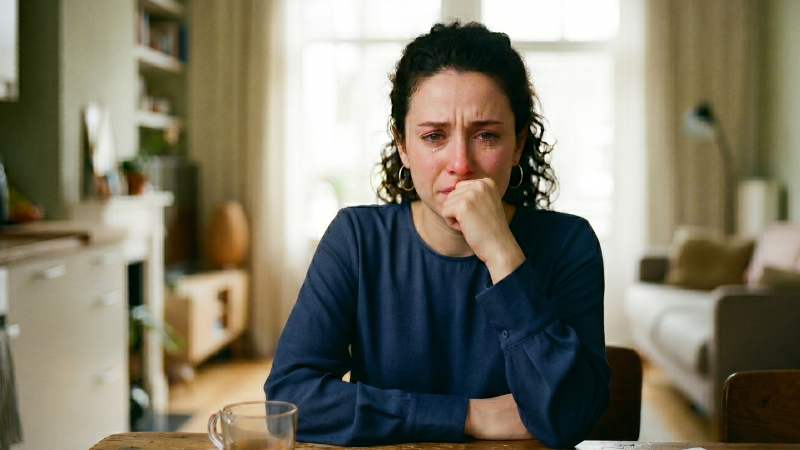
Explore why love and hate can feel so closely connected, the psychology behind intense relationship emotions, and how to find clarity, balance, and healthier patterns.
Table of Contents
What Does It Mean That Love and Hate Are Closely Linked?
Why Love and Hate Can Feel Intensely Connected
The Psychology Behind the Love-Hate Dynamic
Shared Features of Love and Hate
When Love Starts Turning Into Hate
Signs Your Relationship Is Near the Love-Hate Line
Why Intense Emotions Shift So Quickly
The Role of Jealousy, Rumination, and Possessiveness
Attachment Styles and the Love-Hate Cycle
Love, Hate, and Relationship Boundaries
How to Prevent Relationships From Crossing the Line
When Intensity Starts Doing Damage
Key Takeaways
Frequently Asked Questions
What Does It Mean That Love and Hate Are Closely Linked?
The phrase “a thin line between love and hate” reflects a powerful truth about human emotions: when we deeply care about someone, we are also more vulnerable to feeling hurt, disappointed, or betrayed by them. Love opens the door to emotional closeness, but that closeness can create sharp emotional reactions when expectations are not met.
This does not mean people in healthy relationships secretly hate each other. Instead, it means that strong emotions exist on a spectrum, and the deeper the bond, the more intense both positive and negative feelings can become. When care is high, emotional risk is high too.
Why Love and Hate Can Feel Intensely Connected
Love and hate feel linked because they both require emotional investment. You cannot hate someone you are indifferent to. In relationships where you feel deeply seen, attached, or intertwined, your nervous system becomes more reactive to the other person’s actions.
When your emotional needs are met, love grows. When they are threatened, hurt or anger can surface just as intensely. This is why passionate relationships often feel the most confusing: the same energy that fuels closeness can also fuel conflict.
The Psychology Behind the Love-Hate Dynamic
Psychologists refer to this as emotional ambivalence - the experience of holding contradictory emotions toward the same person. Emotional ambivalence is normal, especially in long-term relationships where connection, vulnerability, fear, and desire blend together.
Several psychological processes can feed the love-hate dynamic:
-
Idealization and devaluation cycles
-
Fear of losing someone intertwined with fear of disappointment
-
Unresolved emotional wounds resurfacing during conflict
-
Stress and cognitive overload
-
Attachment triggers
Emotions become amplified when your attachment system perceives threat, even if the threat is small.
Shared Features of Love and Hate
Love and hate might feel like total opposites, but psychologically, they share several intense characteristics that make them difficult to separate in complex relationships.
-
Both are Intense: Both emotions can feel overwhelming, urgent, and consuming. They activate strong passions, often leading to clouded judgment and difficulty regulating reactions.
-
Both are Highly Focused: Both love and hate are typically directed intensely at a specific person, which drastically increases emotional sensitivity. Because you expect (or once expected) something significant from them, their actions carry immense emotional weight.
-
Both Activate Strong Arousal: Both emotions involve significant physiological arousal. Love can bring warmth, closeness, and desire (often linked to oxytocin and dopamine). Hate brings tension, anger, and hurt (linked to adrenaline and cortisol). In either case, your nervous system is deeply engaged.
-
Both Exist within Relationships That Matter: You cannot feel deep, consuming hatred toward someone who has no emotional impact on your life. Strong, opposite feelings often attach to people with whom you have shared significant intimacy, trust, or a deep history.
To visualize the overlap:
| Feature |
Love |
Hate |
| Intensity |
Deep affection, longing, emotional investment |
Strong anger, hurt, emotional reactivity |
| Direction |
Toward someone meaningful |
Toward someone meaningful |
| Physical Response |
Warmth, closeness |
Tension, agitation |
| Trigger |
Connection, care, intimacy |
Betrayal, fear, unmet needs |
When Love Starts Turning Into Hate
Love begins to shift toward hate when emotional needs are repeatedly unmet or when hurt accumulates without repair. The deeper the relationship, the more painful miscommunication or conflict can feel.
Common triggers include:
-
Feeling unheard or dismissed
-
Being betrayed or lied to
-
Experiencing repeated invalidation
-
Idealizing someone and then facing the reality of imperfection
-
Having unresolved conflicts that pile up
Love does not transform into hate all at once. It usually happens through cycles of closeness and disappointment.
Signs Your Relationship Is Near the Love-Hate Line
Every relationship has tension. But when a bond nears the love-hate line, emotional reactions often escalate.
You may notice:
-
Your feelings swing dramatically
-
Small issues feel huge and personal
-
Arguments escalate quickly
-
You interpret their behavior through a lens of threat or fear
-
You constantly analyze the relationship
-
Affection exists, but so does intensity, frustration, or resentment
-
You feel deeply attached yet deeply hurt
This does not always mean the relationship is unhealthy. It means something inside the dynamic needs attention and clarity.
Why Intense Emotions Shift So Quickly
The brain processes love and anger in regions tied to survival. When someone you love disappoints you, your nervous system interprets it as a potential threat to safety or connection.
Stress, emotional overload, or old attachment wounds can make the reaction even stronger. Many people feel confused: “How can I love someone and feel so angry at them at the same time?” The answer lies in the brain’s difficulty separating emotional categories when intensity is high.
This is why calming the body and grounding yourself helps bring emotional clarity.
The Role of Jealousy, Rumination, and Possessiveness
These three emotional patterns often act as accelerants, pushing a relationship toward the volatile love-hate boundary. They signal that the underlying attachment system is under stress.
Jealousy and Insecurity
Jealousy often stems from insecurity or an underlying fear of abandonment. When jealousy becomes constant, it acts like a cognitive filter, distorting your interpretation of the relationship and intensifying both love (as dependence) and anger (as a response to a perceived threat). This pattern creates anxiety and fuels a cycle of doubt.
Rumination and Emotional Hijacking
Rumination, the process of replaying an emotional wound repeatedly, is highly destructive. Dwelling on past hurts or perceived slights strengthens negative emotional pathways. The more you revisit the grievance, the easier it is for loving feelings to blur into deep resentment or bitterness. This mental looping keeps the nervous system on high alert and prevents healthy emotional recovery.
Possessiveness and Control
Possessiveness arises when connection becomes mistakenly tied to control over another person. Trying to hold someone too tightly is a direct reaction to internal fear and insecurity. This behavior leads to conflict, suffocates the partner's autonomy, and ultimately pushes the relationship toward volatility and hurt.
Each pattern is a sign that deeper emotions related to self-worth, trust, and attachment may need immediate attention.
Attachment Styles and the Love-Hate Cycle
Attachment theory explains how early relationships shape emotional responses in adult partnerships.
Anxious Attachment
This can create a push-pull dynamic that quickly shifts from love to anger, a pattern covered in more detail in our guide to anxious and avoidant attachment.
Avoidant Attachment
-
Discomfort with closeness
-
Irritability when feeling engulfed
-
Withdrawal during conflict
Avoidance can trigger frustration or resentment in both partners.
Disorganized Attachment
This is the style most associated with love-hate intensity.
Understanding attachment helps you interpret emotional triggers with compassion rather than self-blame.
Love, Hate, and Relationship Boundaries
Healthy boundaries keep strong relationships stable. Without them, love and hate can blur quickly.
Poor boundaries can lead to:
-
Losing your sense of self
-
Becoming overly dependent
-
Feeling controlled or controlling
-
Misunderstanding needs and expectations
-
Conflict that becomes personal rather than constructive
Healthy relationships balance closeness with autonomy. Both partners maintain individuality while nurturing connection, which is closer to what lasting love actually looks like in practice.
How to Prevent Relationships From Crossing the Line
You cannot control how every emotion arises, but you can shape the conditions that keep your relationship emotionally healthy and resilient against the love-hate dynamic. The key is to manage your internal world and improve relational safety.
Strategies for Stability and Safety
-
Strengthen Emotional Regulation: Focus on building the internal capacity to handle emotional spikes. Techniques like grounding, mindfulness, and consciously pausing before reacting help you maintain clarity and prevent intense feelings from hijacking your communication.
-
Build Self-Esteem Outside the Relationship: When you value yourself independently - through personal achievements, separate passions, and individual friendships - you do not rely on the relationship to define your worth. This reduces the fear of abandonment that fuels possessiveness and volatility.
-
Improve Communication Skills: Commit to honest and healthy dialogue. This means learning to state needs calmly (using "I" statements), repairing misunderstandings quickly, and engaging in active listening without immediately planning your defense.
-
Notice When Idealization Is Happening: Seeing a partner realistically helps prevent the extreme emotional shifts common in volatile cycles. Recognize that they are human with flaws; this counters the tendency to flip from seeing them as perfect ("love") to seeing them as a villain ("hate") when they disappoint you.
-
Practice Healthy Interdependence: Personal goals, separate friendships, and individual interests stabilize you emotionally. Interdependence means sharing your life, not merging identities. This prevents emotional burnout and reduces the strain on the primary relationship.
The more balanced and grounded your inner world becomes, the less likely intense, relationship-focused emotions will spiral into confusion or destructive volatility.
When Intensity Starts Doing Damage
The love-hate dynamic can have a significant impact on emotional well-being. When strong emotions cycle rapidly, it can increase anxiety, self-doubt, stress, and difficulty trusting your own perceptions. Over time, this emotional turbulence can shape how you see yourself and your relationships.
You may find yourself questioning whether you are being too sensitive, not sensitive enough, or stuck between wanting closeness and needing distance. These patterns can feel overwhelming without guidance or support.
A therapist can help you understand the emotional triggers driving these shifts, explore attachment patterns, and learn healthier ways to express needs and manage conflict. Therapy offers tools for emotional regulation, boundary setting, and recognizing when a relationship is tipping into unhealthy territory.
Online therapy through 7 Cups offers a supportive way to explore these dynamics from the comfort of your home. Working with a licensed therapist remotely allows you to reflect on your relationships, understand the role of intense emotions, and develop skills that support clarity, confidence, and healthier connection.
Key Takeaways
Love and hate can feel close because they are both powerful, emotionally charged responses directed at someone who matters deeply. Intense emotions, unmet needs, attachment wounds, and vulnerability can blur the boundary between affection and frustration. Understanding these dynamics helps you navigate relationships with more awareness, compassion, and stability.
Feeling two opposite things about the same person is disorienting, and it does not usually mean either feeling is fake. If you want to talk through what is underneath it, you can chat with a listener or work with a therapist.
Frequently Asked Questions
Can a healthy relationship still have love-hate moments?
Yes, occasional tension is normal. What matters is whether partners communicate, repair, and maintain respect without slipping into harmful patterns.
Why do I get angry at people I love?
You are more vulnerable to those you care deeply about. Hurt, unmet needs, or fear of loss can trigger strong emotional reactions.
Can possessiveness be mistaken for love?
Yes. Possessiveness often stems from fear or control, not love. Healthy love respects autonomy and individuality.
How can I reduce rumination in my relationship?
Practice mindfulness, focus on facts rather than fears, and engage in grounding activities. Address concerns directly rather than replaying scenarios internally.
How do I prevent my relationship from becoming love-hate?
Strengthen communication, set boundaries, practice emotional regulation, and build self-worth independently. A balanced inner world helps stabilize relationships.
Are love-hate patterns always abusive?
Not always, but they can become harmful without awareness. Abuse is never acceptable, and safety should always be the priority.
Can therapy help with intense relational emotions?
Yes. Therapy can help you understand emotional triggers, improve communication, and build healthier relational patterns. Working with a licensed therapist through 7 Cups can provide guidance and support.