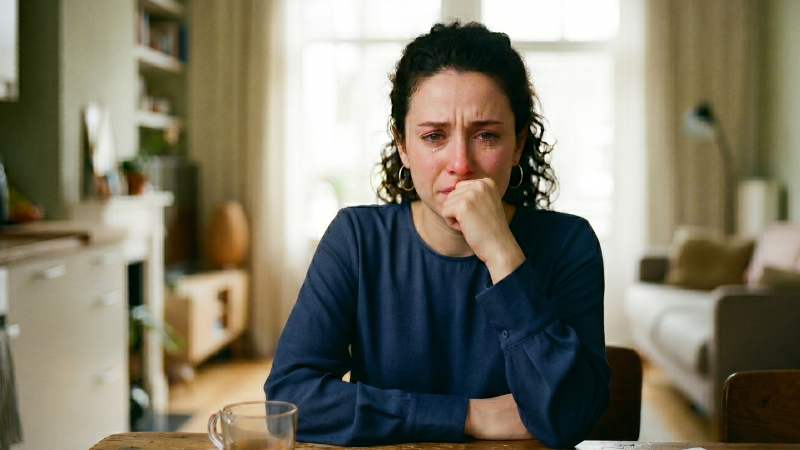
Learn why your husband yells, how it affects your emotional health, and practical strategies to respond calmly. Discover boundaries, self-soothing techniques, and online therapy support for healthier communication.
Table of Contents
Understanding the Impact on You
Is Yelling Normal in a Marriage?
When Yelling Becomes a Red Flag
Common Reasons Husbands Yell
How to Respond Calmly and Protect Yourself
Strategies for Long-Term Relationship Health
When to Seek Professional Help
Key Takeaways
Frequently Asked Questions
Understanding the Impact on You
When your husband yells at you, it can feel frightening, confusing, and exhausting. You may ask yourself, “Why is he doing this?” and wonder if it’s your fault. While understanding the behavior is important, remember: his yelling is about his emotions and coping patterns, not your worth.
Consistent yelling shifts responsibility away from him and onto you emotionally, creating a mental load that can feel overwhelming. Recognizing that you are not responsible for his behavior is the first step toward protecting your emotional health.
Being on the receiving end of yelling affects your mental, emotional, and even physical well-being.
Mental Load and Emotional Burden
Women often carry the mental load in relationships - managing household responsibilities, family needs, and emotional labor. Adding repeated yelling into the mix increases stress and can make you feel stuck or helpless.
The Weight of Anticipation
The most draining part of living with frequent yelling is the anticipatory anxiety. You may find yourself constantly walking on eggshells, monitoring his mood, altering your behavior, or avoiding certain topics just to prevent the next eruption. This state of hypervigilance - always on high alert - is profoundly exhausting and consumes mental space needed for other aspects of life.
Erosion of Self-Worth
When someone consistently uses aggression as a communication tool, it sends a powerful, destructive message: your feelings don't matter, and your thoughts are unwelcome. Over time, this constant invalidation erodes self-esteem and may lead you to believe you are genuinely the cause of his distress, even when logic tells you otherwise.
Emotional and Physical Effects of Yelling
Frequent exposure to yelling can trigger anxiety, tension, and hypervigilance. Physical symptoms like a racing heart, shallow breathing, headaches, or stomach upset are common. Over time, this constant stress can lower self-esteem, make you feel unsafe, and damage emotional resilience.
Physical Manifestations of Stress
Physical symptoms like a racing heart, shallow breathing, muscle tension (especially in the jaw, neck, and shoulders), headaches, or stomach upset are common. Chronic stress from verbal conflict can compromise the immune system and lead to long-term health issues.
Emotional Numbness and Avoidance
To cope with the persistent feeling of danger, you may find yourself using emotional defense mechanisms like numbness or avoidance. While this temporarily shields you from pain, it also creates distance and makes it harder to feel joy or intimacy, damaging your ability to connect with others.
Is Yelling Normal in a Marriage?
The short answer is: no, yelling is not a healthy communication tool. Disagreements are normal in any relationship, but yelling is a sign of poor emotional regulation and an inability to handle conflict constructively.
Differences Between Conflict and Emotional Abuse
Healthy conflict involves calm discussion, mutual listening, and a commitment to compromise, with both partners maintaining respect for the other's viewpoint.
Conflict vs. Aggression
-
Conflict: Uses "I" statements, focuses on the issue, respects boundaries, and seeks a shared resolution.
-
Aggression/Yelling: Uses blame ("you always..."), focuses on attacking the person's character, disregards boundaries, and seeks to dominate or force submission.
Signs That Yelling Is a Pattern
Occasional bursts of anger are human, but if yelling happens consistently - even weekly or monthly - it indicates deep-seated poor communication habits, unresolved anger, or emotional imbalance that needs serious intervention.
The Rule of Consistency
If his reaction to a simple stimulus (a misplaced item, a scheduling error, a difference of opinion) often escalates immediately to yelling, the issue is not the stimulus; the issue is his emotional regulation. This predictability signals a destructive pattern.
When Yelling Becomes a Red Flag
Repeated yelling is more than just bad manners; it points to deeper, systemic issues in the relationship dynamics.
Power Imbalance and Control
Yelling is frequently used to dominate or control a situation, shutting down the other person's voice and argument. When this occurs, it creates an imbalance where one partner feels dismissed or undervalued.
Verbal Intimidation as Control
Yelling, combined with verbal put-downs, sarcasm, or stonewalling, can function as verbal intimidation. The intent is to make the partner afraid to speak up, thereby maintaining the yeller's sense of control over the dynamic and the outcome of the disagreement. This dynamic severely limits your agency within the marriage.
Emotional Safety and Respect
A healthy marriage relies on mutual respect and emotional safety. Persistent yelling undermines trust, intimacy, and connection, signaling the need for intervention.
The Damage to Intimacy
Intimacy - both physical and emotional - cannot thrive where there is fear. If you associate your partner with sudden, unpredictable anger, your brain will protect itself by pulling back emotionally, making genuine connection impossible. The erosion of respect is a signal for necessary intervention.
Common Reasons Husbands Yell
Understanding potential causes doesn’t excuse the behavior but helps you set boundaries and navigate the situation more effectively. His reasons explain the cause; they do not negate the harm.
External Stressors and Life Pressure
-
Work/Financial Strain: Stressful jobs, financial strain, or feelings of personal failure can lead to a state of constant frustration that overflows at home. The home environment becomes a release valve for external pressures he can't control.
-
Feeling Unheard or Unvalued: Sometimes yelling is a frustrated attempt to be heard when other methods feel ineffective, though this is a profound failure of healthy communication.
Past Trauma and Attachment Wounds
-
Learned Behavior: He may have grown up in a household where yelling was the default, viewing it as a normal - even necessary - way to express frustration.
-
Unresolved Trauma/Anger: Childhood experiences, unresolved trauma, or deep attachment wounds may influence how he expresses anger. Yelling can be a defensive reaction when he feels vulnerable, rejected, or emotionally overwhelmed.
Mental Health and Self-Awareness Issues
-
Poor Emotional Regulation: Many people lack the emotional literacy to process feelings like fear, sadness, or vulnerability. These core feelings are often expressed outwardly as anger and rage.
-
Co-occurring Conditions: Undiagnosed or untreated mental health issues like depression, anxiety disorders, or substance abuse problems can significantly lower a person's stress tolerance and impulse control, contributing to frequent yelling.
How to Respond Calmly and Protect Yourself
When you’re faced with yelling, protecting your emotional state is paramount. These strategies are not about fixing him; they are about managing yourself and maintaining safety.
Self-Soothing and Taking Breaks (De-escalation)
- The Power of Space
If you feel emotionally flooded (racing heart, panic), step away immediately. Use an agreed-upon phrase: "I need to pause this conversation," or "I will talk to you when we are both calm." Physically leave the room to signal that the conversation cannot continue under those conditions.
- Grounding Techniques
While stepping away, use deep breathing (square breathing) or grounding exercises (naming five things you can see, four things you can touch, etc.) to regulate your nervous system. This prevents you from reacting defensively or escalating the conflict.
Setting and Maintaining Boundaries
Decide clearly what behaviors you will and won't tolerate. Clear boundaries protect your mental health and prevent escalation.
- Calmly State the Boundary
Wait until he stops yelling, then state your boundary assertively: “I will not continue this conversation while you are raising your voice. I will return in 20 minutes when we can talk calmly.” It’s crucial to follow through and leave if the yelling persists. Do not engage in an argument about the boundary itself.
- Use "I" Statements for Impact
Use a softened startup to express how you feel without blame: “I feel hurt and unsafe when your voice is raised, and I need us to communicate calmly to solve this problem.” This focuses on the behavior's impact on you, rather than attacking his character.
Processing the Aftermath of a Fight
Once both parties are calm (ideally 30 minutes later or the next day), you must return to the issue, but focus on the process, not just the content.
-
Validate Your Feelings: Clearly communicate how his yelling made you feel - scared, dismissed, or hurt.
-
Discuss the "How": Focus on the communication failure. "We need to agree that yelling is off-limits regardless of the topic."
-
Develop a Contract: Agree on specific alternatives for high-stress disagreements (e.g., writing notes, stepping outside, or using a "safe word" to call a time-out).
Strategies for Long-Term Relationship Health
If the relationship is worth saving, building a healthier communication dynamic is a shared responsibility.
Improving Communication Skills
Both partners must commit to changing destructive habits.
-
Active Listening: Practice validating your partner's core emotion before responding. Even if you disagree, acknowledge the feeling: "I hear that you are incredibly frustrated about the money issue."
-
Assertive Expression: Encourage him (and yourself) to use "I" statements to describe feelings and needs directly, rather than blaming or attacking.
-
De-escalation: Learn to recognize the emotional cues (body language, tone) that signal rising anger and use planned time-outs before the point of no return.
Emotional Regulation for Both Partners
This is the most critical area. Yelling is a failure of emotional regulation.
-
Encourage Self-Awareness: Help him identify the internal feelings (fear, powerlessness, inadequacy) that lead to anger. Anger is often a secondary emotion covering deeper pain.
-
Stress Management: Ensure both partners have healthy outlets for stress (exercise, hobbies, meditation) so frustration doesn't accumulate and spill over into the relationship.
-
Model Calmness: While challenging, your consistent use of calm, assertive communication models the desired behavior, though it is not your responsibility to regulate his emotions.
When to Seek Professional Help
Some situations require the objective, trained guidance of a professional. Seeking help is an investment in your well-being and the health of your relationship.
Signs It's Time for Therapy
-
Boundary Violations: If he repeatedly violates agreed-upon boundaries or refuses to acknowledge the harm caused by yelling.
-
Fear and Safety: If you are consistently afraid of your partner, or if the yelling includes name-calling, threats, or moves toward physical intimidation.
-
Refusal to Change: If the pattern persists despite repeated discussions and attempts at change.
The Role of Therapy (Individual and Couples)
-
Individual Therapy (For Him): Highly recommended if his anger stems from unresolved trauma, addiction, or poor emotional literacy. A therapist can help him develop impulse control and process underlying pain.
-
Couples Therapy: Provides a safe, structured environment to identify destructive communication patterns, practice safe conflict resolution, and rebuild mutual respect.
Online therapy, such as 7 Cups, offers flexible, accessible support. A therapist can help you:
-
Identify patterns and triggers unique to your relationship.
-
Practice safe communication techniques and assertive responses.
-
Build coping skills for managing your own anxiety and emotional regulation.
-
Navigate relationship challenges with objective, structured support.
Some situations are more serious than a communication problem. If the yelling has turned into threats or intimidation, there has been physical contact, or you find yourself changing what you do because you are afraid of his reaction, this is not just a relationship disagreement. If you are afraid at home or there is abuse in the relationship, couples counseling may not be the safest place to start.
In the U.S., the National Domestic Violence Hotline is available 24/7 at 1-800-799-7233, or you can text START to 88788. The service is free and confidential. Outside the U.S., search for your country's national domestic abuse helpline. If you are in immediate danger, call 911 or your local emergency number.
Key Takeaways
Yelling is not a healthy way to communicate, and repeated exposure can harm your mental and emotional well-being. While understanding potential causes is useful, your priority is maintaining emotional safety. Strategies like self-soothing, boundary-setting, and using calm communication techniques can protect you in the moment. For long-term support, online therapy provides accessible guidance to help you navigate these challenges, improve communication, and foster a healthier, more respectful relationship.
For more support, join our empathetic community, chat with a free, trained listener, make progress through a community-driven growth path, or start affordable online therapy today.
Frequently Asked Questions
Read more below for answers to questions commonly asked about this topic.
Why is my husband yelling at me?
Husbands may yell due to stress, frustration, or unresolved emotional issues. While understanding the reasons can provide insight, it does not excuse the behavior or its impact on your mental and emotional health.
Is yelling normal in a marriage?
Occasional disagreements are normal, but consistent yelling is not a healthy form of communication. Frequent yelling signals poor emotional regulation, unresolved anger, or a lack of effective conflict resolution skills.
How does yelling affect my emotional well-being?
Being yelled at repeatedly can lead to anxiety, emotional numbness, and a decreased sense of self-worth. It can also create hypervigilance, making you feel constantly on edge and exhausted in your daily life.
Can yelling in marriage be a red flag?
Yes, frequent yelling can indicate deeper issues such as emotional abuse, power imbalances, or unresolved trauma. It undermines respect, trust, and emotional safety, signaling the need for intervention.
What are common reasons husbands yell?
Husbands may yell due to external stressors, mental health challenges, unresolved trauma, or poor emotional regulation. It is often a learned behavior or a defensive reaction to feelings of vulnerability or inadequacy.
How can I respond calmly when my husband yells?
Use self-soothing techniques, set clear boundaries, and practice grounding exercises to regulate your nervous system. Calmly expressing your feelings with “I” statements helps prevent escalation and maintains your emotional safety.
What boundaries should I set if my husband yells?
Decide what behaviors you will and won’t tolerate, and communicate them assertively. For example, you might say, “I will not continue this conversation while you are raising your voice. We can talk when we are both calm.”
How can I improve long-term communication in my marriage?
Focus on active listening, assertive expression, and emotional regulation for both partners. De-escalation strategies, stress management, and modeling calm behavior can help create a healthier, more respectful dynamic.
When should I consider therapy for my relationship?
Seek therapy if yelling includes threats, repeated boundary violations, or makes you feel unsafe. Online therapy, like 7 Cups, offers flexible support to identify patterns, develop coping skills, and improve communication.
Can online therapy help with dealing with a husband who yells?
Yes, online therapy provides accessible guidance to manage your own anxiety, set boundaries, and practice safe communication techniques. Therapists can help you navigate conflicts, regulate emotions, and rebuild trust and mutual respect in the relationship.