Learn to say NO

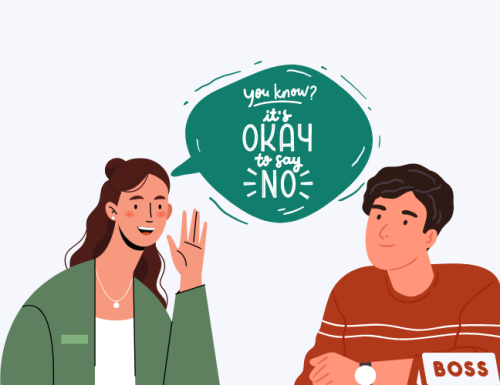
The word "No" is considered to be an important part of a successful life strategy.
"Focusing is about saying 'no'" - Steve Jobs
"We need to learn the slow 'yes' and the quick 'no'" - Warren Buffett
"The art of leadership is saying No, not saying yes. It is very easy to say yes." - Tony Blair.
For many of us, it can be hard to say no.
There are many different reasons to why it might be hard to say no.
Many of us fear conflict. We don't like it when others are angry with us or critical of us. We avoid saying "no" to avoid conflict. It is also possible we avoid "no" because we want people to like us. We desire acceptance.
We might also hesitate to say "no" because we don't want to disappoint or hurt someone. We might feel like we are letting people down when we say no. We sometimes do things to make things easier for other people. Sometimes we might decide to just give in because we think if we don't, someone will be disappointed.
There are times where leaders stay in roles that they have outgrown or projects that they do not have time for due to outside life commitments but prefer to spread themselves thin rather than take a break in fear of disappointing or letting someone down.
Some techniques that can be done to get better at saying "No" are as followed:
Practice saying "No" in small, unimportant situations, like buying something at the store.
Stop and breathe before saying "yes" in order to give yourself a little space and an opportunity to assess and respond to your own needs.
Seek advice. Reach out to a mentor and discuss the position with them. Sometimes talking about options with mentors can give you the ability to get what you need to say into words.
Remember you are allowed to change your mind, don't get trapped in the belief that you only have one opportunity. Sometimes saying "Yes" can be the right thing, especially if it is related to your goals and it does not overwhelm you.
When you do say "No" it allows you to set clear boundaries, prioritize your well-being, and prevent overcommitment, which can lead to stress, anxiety, and burnout.
- Be honest, polite, and firm when saying no. Use clear language without overexplaining yourself. For example, "No, thank you, I am not available that day" or "I would love to help but my schedule is full." This is particularly useful when approached to join a discussion team or a mentoring track.
- Keep it short. Avoid long explanations that invite further persuasion. A concise refusal is more effective and respectful.
- Use the sandwich method. Frame your no between positive statements. For instance, "Thank you for thinking of me. I won't be able to attend, but I hope it goes well."
- You can offer alternatives when comfortable. If appropriate, suggest another time or solution, but only if it aligns with your priorities.
- Recognize your limits. Make sure to pay attention to physical or emotional cues, like stress or fatigue, which signal when it is necessary to decline.
Feeling guilty or fearing rejection when you say "no" is common. Remind yourself that your time and energy are valuable, and saying no does not make you selfish or rude. Everyone has limits and everyone says "no" sometimes. No one here is going to be disappointed or stop liking you because you say no.
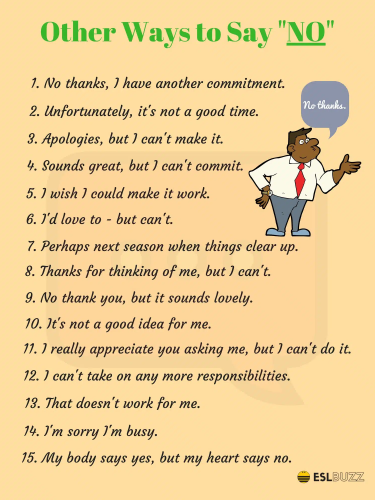

@Remina
Thank you for shedding light on this topic. It's about time we learned to say NO!

@trueconfidant123
You're welcome!

@Remina I like that this post is about saying it softly with honesty and without the suspicion that excuses are being made
Good work - I enjoyed this presentation.
@GoldenRuleJG
Thank you, glad you enjoyed it

@Remina I think it's about the starting once you start step by step it becomes easier
Yes. Starting can be difficult but once you find a rhythm it can get easier. It’s still important to remember work life balance and to not put too much on your plate. Just because you can do the steps, doesn’t mean it’s the right thing for you, you know?