Learn About… PAKISTANI Food! :)

Tell us about the food from your culture/homeland/etc! Tell us about the ingredients, show us pictures, describe the taste and texture, tell us fond memories surrounding the food! Share anything about everything you want! <3
Even if you aren’t a part of this culture yourself, but you’ve tried dishes from there, please share with us! Help us learn about wonderful foods from another culture <3

@jesusredeemedme2425 Second Cuisine:
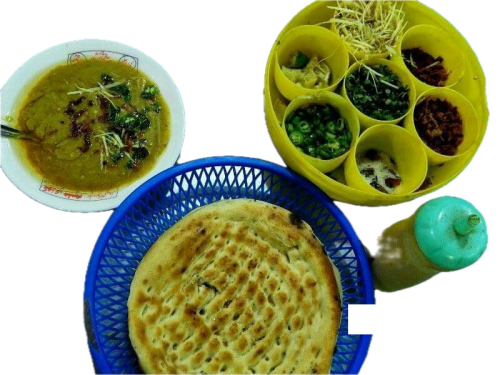
Koozi Haleem (often spelled Kozi or Koozie) is a highly popular, slow-cooked Pakistani delicacy, particularly renowned in Lahore. It is a thick, creamy, stew-like dish made from wheat, barley, lentils, and meat (beef, mutton, or chicken), slow-cooked for many hours until the ingredients break down and blend.
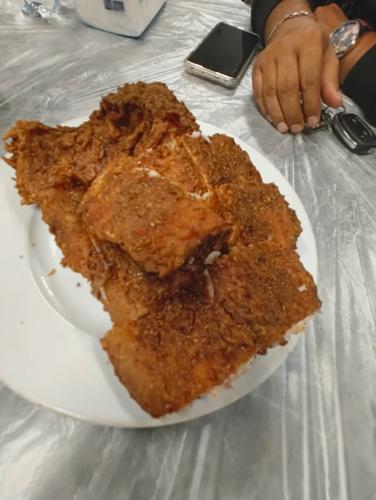
@jesusredeemedme2425 Pakistani fried fish is a popular and flavorful dish, often associated with the street food of Lahore. It is typically prepared by marinating white fish in a blend of traditional spices and a gram flour (besan) batter, then deep-frying until golden brown and crispy.
@jesusredeemedme2425 Gajar ka Halwa (also called gajrela or carrot halwa) is a classic North Indian dessert made primarily from grated carrots, milk, sugar, and ghee. It’s especially popular in winter because it’s traditionally made with red, juicy winter carrots.
Key points about Gajar ka Halwa
• Origin & cuisine:
• Part of North Indian and Pakistani cuisine, especially Punjabi and Mughlai traditions.
• Commonly prepared for festivals like Diwali, Holi, Eid, and family celebrations.
• Main ingredients:
• Carrots (usually red, Delhi or “desi” carrots in winter; orange ones can also be used)
• Milk (traditionally full-fat, slow-reduced for richness)
• Ghee (clarified butter, gives aroma and flavor)
• Sugar
• Cardamom powder (for flavor)
• Nuts & dry fruits like cashews, almonds, pistachios, and raisins
• Sometimes khoya/mawa (milk solids) or condensed milk is added for extra richness.
• How it’s typically made (high level):
1. Carrots are washed, peeled, and grated.
2. Grated carrots are cooked with milk until the milk reduces and thickens.
3. Sugar is added and cooked down so the mixture becomes glossy and slightly fudgy.
4. Ghee, cardamom, and nuts are added and sautéed until fragrant.
• Taste & texture:
• Sweet, rich, and aromatic with a strong carrot and cardamom flavor.
• Moist but not runny, slightly fudgy and grainy from reduced milk.
• Nuts add crunch; ghee gives a warm, toasty aroma.
• Serving:
• Can be served hot, warm, or at room temperature.
• Often garnished with chopped nuts or a few strands of saffron.
• Sometimes served with a scoop of vanilla ice cream in restaurants.
• Variations:
• Milk-based traditional (slow-cooked, no shortcuts).
• Condensed milk version (quicker and richer).
• Khoya version (extra fudgy and dense).
• Vegan version using plant-based milk and oil/vegan ghee.
• Nutrition notes:
• Carrots add vitamin A and some fiber.
• However, it is a rich dessert: high in sugar, ghee, and full-fat dairy.
• Portion control matters if you’re watching calories or sugar.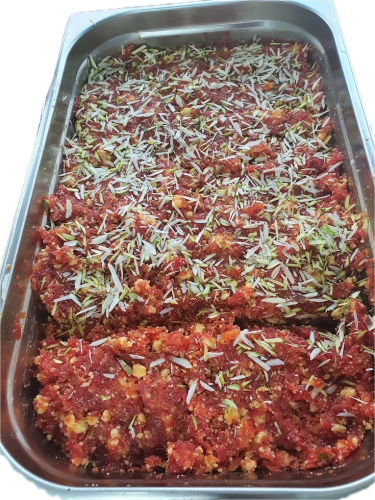
@jesusredeemedme2425 Halwa Poori (often written as halwa puri) is a very popular South Asian breakfast and festive meal, especially in Pakistan and North India. It’s actually a combination of three main items:
1. Poori (Puri) – deep-fried, puffed bread made from wheat flour.
2. Sooji Halwa – a sweet semolina pudding.
3. Choley / Aloo Chana – spicy chickpea (and sometimes potato) curry served alongside.
Together, these make a rich, indulgent, and filling meal often eaten on weekends, special occasions, and religious or cultural events.
Components in detail
1. Poori
• Made from wheat flour (sometimes with a bit of semolina or oil in the dough).
• The dough is rolled into small discs and deep-fried.
• It puffs up into a light, hollow bread that’s crispy outside and soft inside.
• Best eaten fresh and hot.
2. Sooji Halwa
• A sweet dish made from:
• Semolina (sooji/rava)
• Ghee
• Sugar
• Water or milk
• Cardamom
• Garnished with nuts like almonds, pistachios, or cashews, and sometimes raisins.
• Texture is soft, slightly grainy, and rich from ghee.
3. Choley (Chana Curry)
• Spiced chickpea curry that balances the sweetness of the halwa.
• Made with onions, tomatoes, ginger-garlic, and spices like cumin, coriander, chili, and garam masala.
• Sometimes combined with potatoes (aloo chana).
When it’s eaten
• Very common as a special breakfast or brunch on weekends.
• Popular for Eid breakfasts, religious gatherings, langars, and family get-togethers.
• Street food stalls often serve halwa poori platters with refills of poori, choley, and halwa.
Taste & experience
• Combination of flavors:
• Sweet (halwa)
• Spicy and tangy (choley)
• Savory and slightly oily (poori)
• The fun is in mixing bites: a piece of poori with choley in one bite, then a little halwa, or sometimes all together.
Nutrition notes
• Delicious but heavy:
• Deep-fried bread (poori) = high in oil and carbs.
• Halwa = high in sugar and ghee.
• Choley adds protein and fiber, but is also cooked in oil.
• Usually considered an occasional treat, not an everyday breakfast if you’re health-conscious.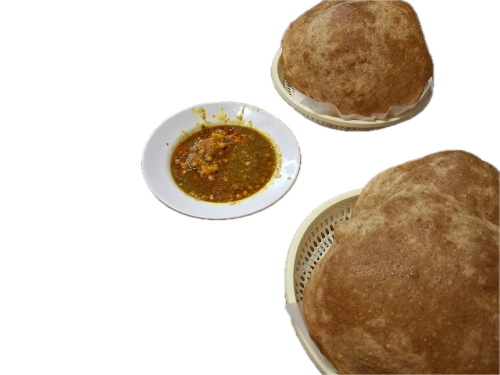
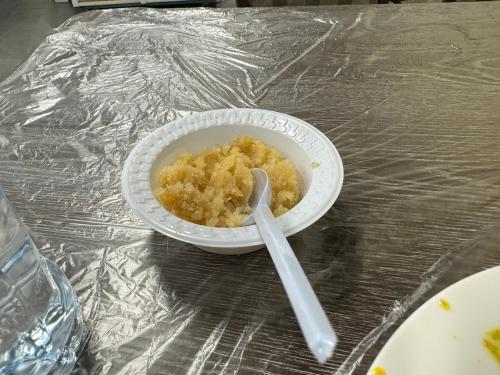
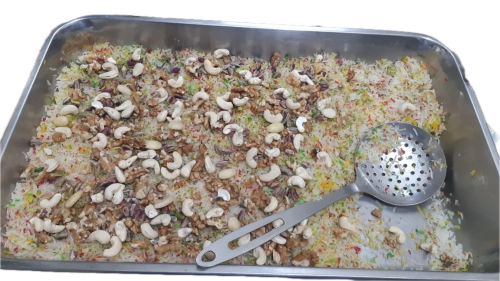
@jesusredeemedme2425 Zarda, also known as sweet rice or meetha chawal, is a traditional South Asian dessert made with fragrant rice, sugar, ghee, and lots of nuts and dry fruits. It’s especially popular in Pakistan, North India, and Bangladesh.
What it is
• A sweet, aromatic rice dish, usually bright yellow or orange from food color or saffron.
• Often served at weddings, Eid, special daawats, and celebrations.
Key ingredients
• Basmati rice – long-grain, fragrant rice.
• Sugar – for sweetness.
• Ghee – for richness and aroma.
• Cardamom – main flavoring.
• Nuts and dry fruits – almonds, pistachios, cashews, raisins, coconut slivers.
• Food color or saffron – gives the signature yellow/orange color.
• Sometimes khoya/mawa or small gulab jamuns / cham cham pieces are added for a more festive version.
Basic way it’s made (high level)
1. Rice is parboiled (partially cooked) with cardamom.
2. In another pot, ghee is heated, and cardamom and sometimes cloves are fried.
3. Parboiled rice is layered with sugar, food color/saffron, and nuts.
4. It is then cooked on dum (low heat, sealed pot) until the sugar melts, the rice fully cooks, and each grain is separate, sweet, and colored.
Taste & texture
• Sweet, rich, and fragrant with a strong cardamom (and sometimes saffron) aroma.
• Each grain of rice should be separate, not mushy, lightly coated in ghee and sugar.
• Nuts and dry fruits add crunch and chewiness.
Common variations
• Plain zarda – just rice, sugar, ghee, cardamom, nuts.
• Shahi zarda – more luxurious; includes khoya, more nuts, sometimes small mithai pieces.
• Mixed color zarda – some rice grains are green or red for a colorful look.
Nutrition notes
• High in sugar and ghee, so it’s quite calorie-dense.
• Usually eaten in small portions as a dessert after a meal like biryani, pulao, or a big daawat menu.
See you until tonight, when I will have my next meal and will share further details.
P.S. This is going to be a "Never Ending Story" thread :)

@LeoInPerpetuity This looks good. May I ask what is ghee?
@reservedOwl321 Ghee is a type of clarified butter commonly used in South Asian and Middle Eastern cooking.
How it’s made:
• Regular butter is gently heated.
• The water evaporates.
• The milk solids separate and are removed or browned, leaving behind pure butterfat.
Key characteristics:
• Has a rich, nutty, slightly caramelized flavor.
• Higher smoke point than regular butter (better for high-heat cooking and frying).
• Shelf-stable when stored properly (doesn’t need refrigeration in many climates).
Common uses:
• Cooking and frying
• Flavoring rice, lentils, and vegetables
• Used in traditional Ayurvedic practices and rituals in some cultures
@LeoInPerpetuity Thanks for that explanation. I am just a home cook, no cooking school here. Is it something that you can buy, or do you normally make it yourself?
Home cooks are the Best Cooks.
Yes, you can prepare it at home, and it must be available in the Mart, since it is an essential ingredient of many Pakistani and Indian cuisines.
If you still wish to know, how it is prepared at home, I can explain that as well.

@jesusredeemedme2425 Alrighty, I am back with some dishes myself, the lovely peers have shared already so many delicious food. 😃✨💖💖💖
@KindleMissie thank you for sharing.
@LeoInPerpetuity welcome 💖💖💖
@jesusredeemedme2425 second one is known as “Karhi and Pakora” in English curry and fritters 😊
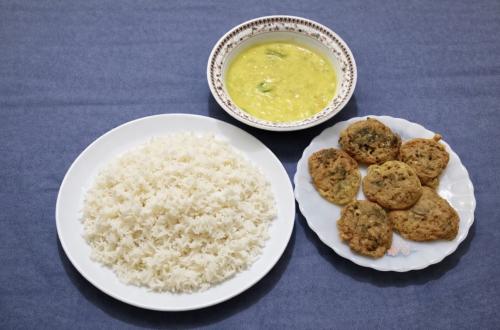
It’s also our traditional dish. The yellow soupy thing is actually Karhi. It is made with gram flour, yogurt, veggies, and many spices. The brown things are known as “Pakoras” fritters made with gram flour, seasonings like onions, and those green leafy coriander and soya leafs, and specifically spices for pakoras as pakora masala. Making the batter and then frying it in oil. Both Karhi and pakora includes whisking the batters hehehe. 😆 I love to have them with rice 😊💖
@KindleMissie, you seem to be a very good chef.
@LeoInPerpetuity awww thankk you so much Leo 💖, well I love cooking and I cook along with my mom maye that's why the results turn out good hehehe 😁
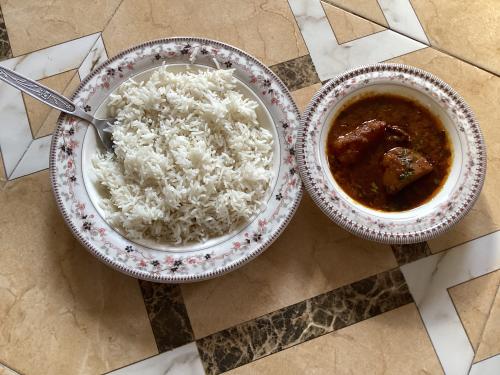
@jesusredeemedme2425 next is “Dum Aloo” in English Spicy potatoes with sauce like gravy 😊
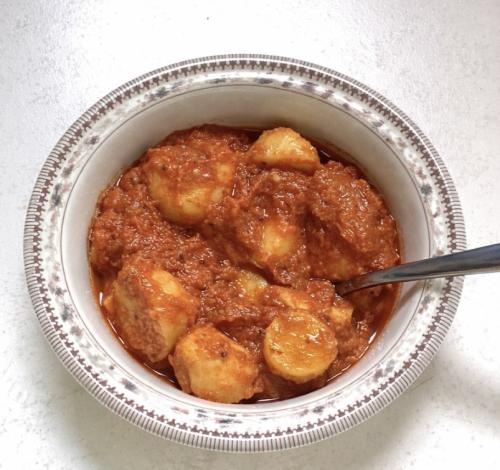
It’s basically baby potatoes boiled, and then you grind a sauce of onions, tomatoes, garlic, and chillies altogether in grinder. Then fry this sauce in oil with cumin seeds after it seems thick like gravy add in the potatoes and let it cook for a little bit and it’s ready. It’s my favourite go to dish and a snack 😁😁😁
@jesusredeemedme2425 Now I am going you the dish that involves broccoli’s cousin cauliflower. 😆
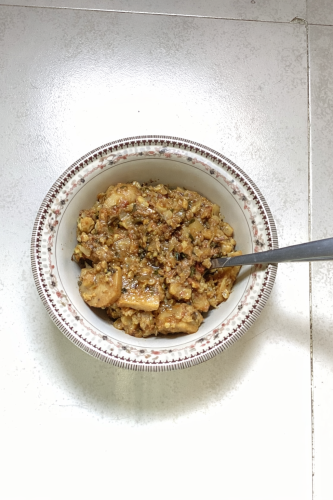
This is “Aloo Ghobi” fried cauliflower cooked with potatoes and tomatoes and many spices 😊

Omgg my favorite aloo ghobi 😂❤️
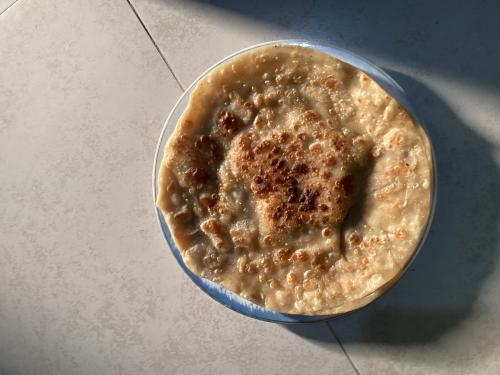
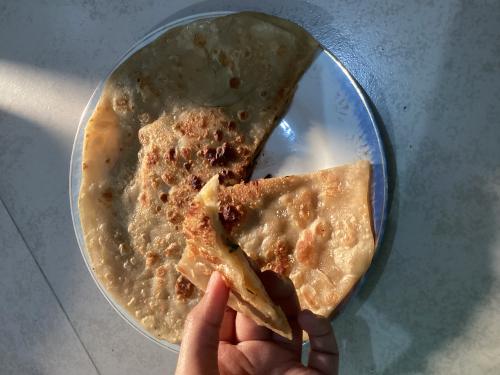
@jesusredeemedme2425 Okay who have had aloo paratha before? 😃✨
@KindleMissie Did you cook all of them in 1 day?
@LeoInPerpetuity no all dishes cooked on different dates, I actually gathered pictures to share. 😁😁😁
Please cool and share more pics hehe
@jesusredeemedme2425 sure thing, thank you 💖💖💖
Also my favorite 🥲❤️
And I'm fasting 😂
@Fatimaishere awww 💖💖💖 I also make them in suhoor since my sisters like it very much hehehe 😄😄