Depression Nap: What it Is, Causes, & How to Cope
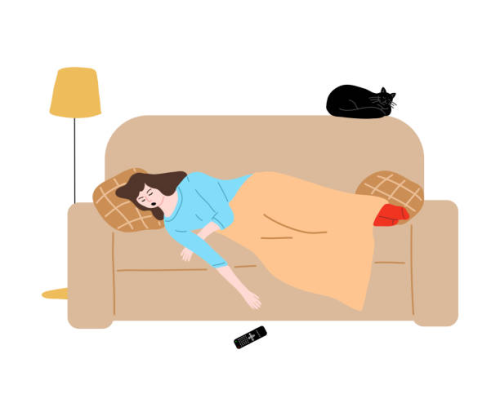
"Depression naps refer to excessive sleeping as a way to cope with depression. These naps are often daytime napping, and in excess, can be referred to as hypersomnia. This is a sleep condition that is exhibited by daytime sleepiness and something that many who have a diagnosis of depression struggle with. People often take depression naps when feeling overwhelmed or stressed.
What Causes Depression Naps?
- Depression: It is important to know that depression may lead to napping as a way to cope. Sleep can be restorative, but it can also be the only coping mechanism some know.
- Medical conditions: Certain medical conditions, like sleep apnea and heart conditions, can be linked to depression naps, as these conditions can leave you with poor-quality sleep. When you have poor quality sleep, it can increase your chance of developing depression.
- Nighttime sleep habits: Poor nighttime sleep routines can leave you feeling tired, overstimulated, and generally irritable due to low-quality sleep.
- Nighttime sleep disorders: Hypersomnia and insomnia can leave you feeling tired during the day as the body cannot handle regulating your mood based on too much, too little, or low-quality sleep.
- Wanting to escape: When you feel stressed and overwhelmed, sleeping can be a way to avoid problems and give you time away.
How to Cope With Depression Naps
- Maintaining a consistent wake/sleep cycle: Routine helps give our body structure, so having a routine can be really helpful to help your body learn when it is time to wake and sleep.
- Avoiding heavy foods or alcohol before bed: Eating and drinking at night can spike blood sugar and raise our body temperature and heart rate, which are all linked to sleep-related issues at nighttime.
- Practice meditation before bedtime: Meditation for depression is helpful as it helps to ground you in the present time and place. It helps to clear mental clutter and gives you a better chance of having good quality sleep.
- Evaluate and seek treatment for disorders: Getting an evaluation or consult from a therapist or physician can be helpful to rule out other medical issues that may be contributing.
- Stay away from screens: Screens emit a lot of blue light, which is known to keep you awake and interrupt your sleep at night.
- Make the bed a sacred space: If you are doing everything from your bed, your body and brain may associate your bed with activities that do not involve rest, which may make it harder for you to sleep.
- Lavender scents in the bedroom: Having a lavender spray, essential oils or even fresh lavender bedside can help to promote relaxation which may be the support you need to get comfortable enough to sleep."
Read the full article Here

@innateJoy9602
Yes! :') Thankyou for the reminder and tips, Joy!
Having a routine (or *trying* to get something close to a routine lol) is certainly helpful.
I call this "replacing" tactic, replace something not so great for your wellbeing with something better. 💛
Similar to what this mentions, I read this in some article for better sleep schedule, something like, to be on your bed *only* when you have to sleep, at night, so your brain can automate with attaching bed=sleep/ unwind/ rest time, when you're on bed, and can have a better sleep.
I find this, is a good practice otherwise also, to separate your spaces, and assign with things/ activities, bedroom or bed to only sleep, dining table to only eat (not for work or even checking your mails) and so forth. It's a mix of will power and consistently reminding yourself to get out of the slumpish mindset, where sleeping becomes a temporary escape from life and its challenges!
Sleeping should be restful, and help our mind and body feel better, not stressed or guilty for it. :/
@Sunisshiningandsoareyou
Sun!! You bring up a great point about the "replacing" tactic! Replacing negative habits with better ones is a lovely way to slowly improve our routine.
I haven not read that actually, being in your bed only when you have to sleep sounds very smart but also hard :p I do enjoy some laying down and scrolling!
Also, yes! Sleep should be restful and rejuvenating. <3💜
@innateJoy9602 lol yes me too, it's a tough habit to break xD good luck to us!😭❤
Till then, happy napping!

@innateJoy9602
I like my naps lol. Maybe they're not the best thing to do but it makes me feel better as I don't have to be awake and thinking. Sleep is part of my safety plan too, entering crisis? Nap it away. Acts as a reset button for me (sometimes). Chronic fatigue doesn't help trying to fight depression naps either. Maybe eventually I'll work on my sleep, but not now.
@SleepyShyCat
I get you! Napping can be a sort of helpful coping mechanism for many. I love a good nap! Given that you have chronic fatigue, I hear why they would be helpful to you. 💜