Evacuation

As we all know, disabilities can make emergency situations difficult. Fortunately, there are tactics to help reduce this difficulty, and evacuate with safety. Before I discuss specific tactics, knowing these facts in the first place is important because:
★ 39.2 million non-institutionalized Americans have one or more disabilities
★ 24.9 million Americans are age 65 or over
★ 9.3 million Americans are age 75 and older
★ 70% of all Americans will, at some time in their lives, have a temporary or permanent disability that makes stair climbing impossible
★ 8,000 people survive traumatic spinal cord injuries each year, returning to homes that are inaccessible
★ 11.1 million Americans have serious hearing disabilities
★ 7.3 million Americans have visual disabilities
★ 20.6 million Americans have limited mobility
These statistics are alarming. Although these are limited to America, other nearby and similar countries, such as Canada or developed European countries, have similar statistics. In additon to this basic information, it's important to know the five major categories of disabilities so you can grant the one dealing with a disability the correct form of aid for evacuation. For example, someone handling a hearing disability will need different aid than someone dealing with a visual disability. They are as follows: (also, psst, if you came to my Listener Topic Discussion on handling disability chats, you may recognize these!)
★ Mobility
★ Blind or low vision
★ Deaf or hard of hearing
★ Speech
★ Cognitive
Regardless of what category their disability falls under, there are four general elements of evacuation information that people need:
★ Notification (What is the emergency?)
★ Way finding (Where is the way out?)
★ Use of the way (Can I get out by myself, or do I need help?) - self, self with device, self with assistance
★ Assistance (What kind of assistance might I need?) - who, what, when, why, how
Some people with disabilities may care for a service animal. Typically, they pose no burden in evacuation cases. However, only under the following rare and unusual circumstances can a service animal be excluded from a facility:
★ The animals behavior poses a direct threat to the health or safety of others
★ The animals presence would result in a fundamental alteration to the nature of a business, state, or local governments program or activity
★ The animal would pose an undue hardship for an employer
Overall, keeping in mind all of these considerations when an emergency comes will allow the evacuation process to go faster and quicker, especially knowing the four general elements of evacuation. How has your experience been with evacuations in terms of disabilities?
Keyword: First Aid Kit

Evacuations are always horrible. Even if it's just a fire drill.
Not only is it often hard to leave the building, but it's also stressful enough that it makes my symptoms even more intense.
I haven't yet had the experience with a service animal evacuating, as my puppy is still a Service Dog in Training. Hopefully he will be more help than harm, even in those scenarios
@TCo
Slippery fingers :') Double posted

One very harsh reality is so many disabled people are in vulnerable states due to the reliance upon technology. In the event of a full on grid collapse, such as the major hurricanes of Katrina and the recent one, the disabled, elderly, and others in intensive care were either abandoned or in incredibly dire straits.
Even economic issues come into play, a recent Califorian assisted living center that went bankrupt had the entire staff not turn up to work leaving the inhabitants in the care of two men who stayed with them for 48 straight hours until the State of California could get mobolized to assist them.
My advice to those with disabilities that require medication and medical devices, ensure you have reliable alternatives for generating power for periods of time upwards of a month and beyond. This need not be fulltime power generation, perhaps long enough to keep your medication properly cooled or your devices activated for medical treatment.
Further, as a word of advice, make sure you have sufficient water and food stores to feed yourself and one other person. This prevents having your caretaker wander off in search of food or water for their own wellbeing.
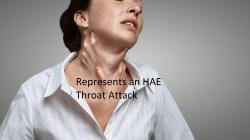
When I imagine myself in the situation that happened to some with the Fort McMurray fires, I get a bit panicky. I feel like I would not have survived if I was one of the ones who got stuck North of the city. For one, some of those people were not able to get home to get supplies, so I would have been very short on meds. Throw in the smoke being a trigger for my asthma and worse HAE and I certainly would have been incredibly sick before help could have come. I do take a bit of comfort in knowing that there is no way I would have stayed as long as those who were trapped though. With the smoke that bad, I would have needed out before the evacuation was occuring.
So my illnesses don't really put me in within the other disability categories. I can follow instructions, and while mobility can be more of a challenge for me short term I would fit within the majority. What becomes the problem is my other needs - if I had to do a large number of stairs fairly quickly for example I would likely be past my trigger threshold so would have to treat for an attack. A decent number of doses and their supplies will fill up a large tote bag. There's also the other issues like being in a crowded area. Illnesses can cause me serious issues - so if I developed a Norwalk virus like many people did with the centre where many stayed after the fire it could trigger attacks. There's also the issue of scented products and animals - service or not as those are also triggers.