The Importance of Mental Health in Overall Well-Being

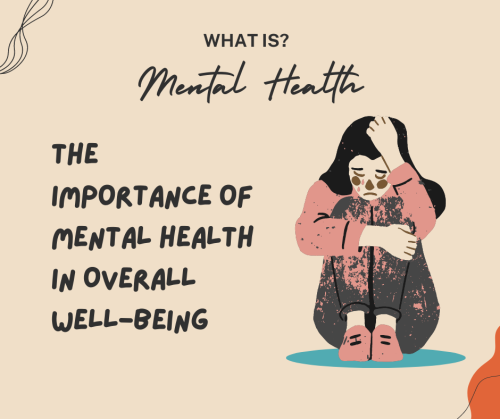
Mental health is a fundamental component of our overall health and well-being. It encompasses our emotional, psychological, and social well-being, affecting how we think, feel, and act. In this article, we will introduce the concept of mental health and explain its significance in maintaining a healthy, balanced life.
What is Mental Health?
Mental health refers to the state of our emotional, psychological, and social well-being. It influences:
How we think and feel about ourselves and others.
How we handle stress and deal with challenges.
Our ability to form and maintain relationships.
Our decision-making processes.
Good mental health is more than just the absence of mental illness; it involves a state of well-being where individuals can realize their abilities, cope with the normal stresses of life, work productively, and contribute to their community.
The Importance of Mental Health
Mental health is integral to living a healthy, balanced life. It affects every aspect of our existence, including:
Emotional Well-Being:
- A healthy mental state allows individuals to manage their emotions effectively, reducing feelings of stress and anxiety.
- It promotes positive thinking and emotional resilience, enabling individuals to bounce back from setbacks.
Physical Health:
- There is a strong connection between mental and physical health. Poor mental health can lead to physical health problems such as heart disease, high blood pressure, and a weakened immune system.
- Conversely, good mental health can enhance physical health by promoting healthy behaviors and reducing harmful stress responses.
Relationships:
- Good mental health fosters healthy relationships by improving communication skills, empathy, and understanding.
- It enables individuals to form and maintain strong, supportive relationships, which are crucial for emotional support and well-being.
Productivity and Performance:
- Mental health significantly impacts productivity and performance in work and school settings.
- Individuals with good mental health are more likely to perform well, maintain focus, and achieve their goals.
Quality of Life:
- Mental health directly contributes to the overall quality of life. It influences our ability to enjoy life, experience happiness, and feel fulfilled.
- It also plays a crucial role in our ability to cope with life's challenges and stresses, leading to a more balanced and satisfying life.
Conclusion:
Understanding mental health and its importance is the first step towards improving our well-being. By recognizing the crucial role that mental health plays in our lives, we can take proactive steps to maintain and enhance it. This includes seeking help when needed, practicing self-care, and supporting those around us. Stay tuned for more insights and strategies to manage stress, anxiety, and depression in the coming weeks.

@Areeji