Understanding and Managing Depression

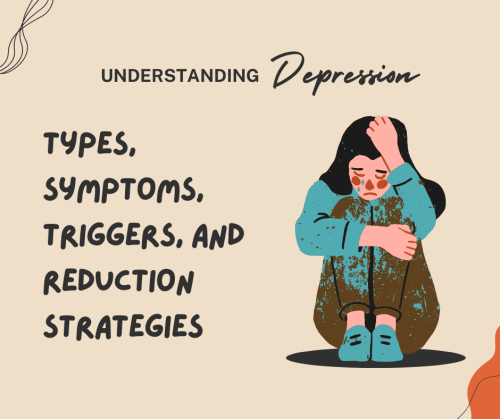
Depression is a complex and pervasive mental health condition that affects millions of people worldwide. It can manifest in various ways, impacting an individual's thoughts, feelings, behaviors, and overall quality of life. On Day 4, we will delve deeply into understanding depression, its symptoms, contributing factors, and effective management strategies. This comprehensive approach aims to provide participants with the knowledge and tools needed to recognize and cope with depression.
What is Depression?
Depression is a mood disorder characterized by persistent feelings of sadness, hopelessness, and a lack of interest or pleasure in daily activities. Unlike occasional feelings of sadness, depression is a chronic condition that can significantly interfere with an individual's ability to function in daily life.
Symptoms of Depression
Depression manifests in a variety of physical, emotional, and cognitive symptoms. Common symptoms include:
Emotional Symptoms:
- Persistent sadness or an "empty" mood
- Feelings of hopelessness or pessimism
- Feelings of guilt, worthlessness, or helplessness
- Loss of interest or pleasure in hobbies and activities once enjoyed
- Irritability or frustration, even over small matters
Cognitive Symptoms:
- Difficulty concentrating, remembering, or making decisions
- Negative thoughts and excessive worrying
- Thoughts of death or suicide
Physical Symptoms:
- Changes in appetite and weight (either loss or gain)
- Sleep disturbances (insomnia or oversleeping)
- Decreased energy or fatigue
- Physical aches and pains without a clear physical cause
- Slowed movements or speech
Factors Contributing to Depression
Depression can arise from a combination of genetic, biological, environmental, and psychological factors. Understanding these factors can help in identifying the root causes and tailoring effective treatment strategies.
Biological Factors:
- Genetics: A family history of depression can increase the risk.
- Brain Chemistry: Imbalances in neurotransmitters, such as serotonin and dopamine, play a significant role.
- Hormonal Changes: Hormonal fluctuations, such as those during pregnancy or menopause, can contribute to depression.
Psychological Factors:
- Personality Traits: Individuals with certain personality traits, such as low self-esteem or a tendency to be overly self-critical, may be more prone to depression.
- Cognitive Patterns: Persistent negative thinking patterns and a tendency to ruminate on problems can contribute to depression.
Environmental Factors:
- Stressful Life Events: Experiences such as the death of a loved one, financial difficulties, or relationship problems can trigger depression.
- Trauma and Abuse: Past or ongoing trauma and abuse can lead to depressive episodes.
- Chronic Illness: Living with a chronic medical condition can increase the risk of depression.
Social Factors:
- Isolation: Lack of social support and feelings of loneliness can contribute to depression.
- Socioeconomic Status: Financial instability and unemployment can increase stress and lead to depression.
Methods of Managing Depression
Managing depression involves a combination of self-help strategies, professional treatments, and lifestyle changes. Here are some effective methods:
Self-Help Strategies:
- Regular Exercise: Physical activity can boost mood and energy levels.
- Healthy Diet: A balanced diet can have a positive impact on mood and overall health.
- Sleep Hygiene: Maintaining a regular sleep schedule and creating a restful sleep environment can improve symptoms.
- Mindfulness and Relaxation: Practices such as meditation, yoga, and deep breathing can reduce stress and promote emotional well-being.
Professional Treatments:
- Psychotherapy: Cognitive Behavioral Therapy (CBT), Interpersonal Therapy (IPT), and other forms of counseling can help individuals understand and change negative thinking patterns.
- Medication: Antidepressants can help correct chemical imbalances in the brain. It is essential to follow a healthcare provider's guidance when using medication.
- Support Groups: Joining a support group can provide a sense of community and understanding.
Lifestyle Changes:
- Building a Support Network: Cultivating strong relationships with friends, family, and support groups can provide emotional support.
- Setting Realistic Goals: Breaking tasks into smaller, manageable steps can help reduce feelings of being overwhelmed.
- Engaging in Enjoyable Activities: Participating in hobbies and activities that bring joy can counteract depressive symptoms.
- Avoiding Alcohol and Drugs: Substance abuse can worsen depression and impede recovery.
Seeking Help:
- Professional Assistance: It is crucial to seek help from mental health professionals, such as psychologists, psychiatrists, or counselors, when dealing with depression.
- Emergency Support: If experiencing thoughts of suicide, immediate help should be sought through hotlines or emergency services.
By understanding the nature of depression, recognizing its symptoms, and utilizing effective management strategies, individuals can take proactive steps toward improving their mental health and well-being. Our goal on Day 4 is to equip participants with the knowledge and tools necessary to manage depression and support their journey toward recovery.

@Areeji
What a brilliant post. Thank youu for taking the time to share.