5 Ways to Practice Self-Care After a Loss

"Immediately after your loved one passes away or even weeks afterward, you may feel like you're in a fog, and this is normal. Chances are you were busy with activities (i.e., planning a memorial gathering) which directed some of your attention away from your sorrow. And now that the reality and weight of your loss are starting to sink in, you may be struggling with knowing just how to take care of yourself.
With all your interactions, self-care is a priority. Keep these suggestions in mind:
1. Don't try to be a people pleaser. Sounds simple, right? However, you may be on the receiving end of bizarre requests, inappropriate questions and unsolicited advice. Be polite, but go ahead and say "no" when needed to save yourself unnecessary stress, worry, or responsibility. If you change your mind later, you can always go back to them and explain you had a change of heart.
2. Don't speak negatively about yourself. It is likely that your self-esteem took a plunge post-loss. For now, you aren't doing yourself any favors by being down on yourself. Treat yourself as you would your best friend in a similar circumstance. That means being kind and compassionate to yourself.
3. Trust your gut. Normally, you may know how to respond to comments or requests from others, but after your loss, you may second-guess yourself. Before responding (and potentially putting yourself in an awkward or sticky situation), stop and listen to your instincts. Your gut is probably correct. This can apply to many areas of your life: friends offering unwanted advice, people making suggestions that don't apply to you, someone trying to push a product on you, financial planners reaching out to you, and even things your family members think are best for you. Trust yourself to know what's best for you.
4. Get a notebook, and each day write down what you did, to the best of your recollection. There will be unusual conversations and interactions that you may need to reference later. It can be stressful trying to remember what was said or what happened. If your conversations are all in your notebook, you can easily go to that page and see the date and your notes.
5. Accept help. You may not be certain what you're going to do with the things people drop off to you, but accepting help post-loss can ease the stress of having to worry about some tasks. It is okay to give yourself a pass and set aside your do-it-yourself attitude. Coping with things post-loss is not a do-it-yourself assignment. If you're struggling with what to say when someone asks if you need help, you can say "yes". Sometimes we forget it is okay to accept help. You can write a list with all the tasks (big and small things) you need help with and when someone asks you can show them the list. Ask them if there's anything on the list they can assist with, and most people are happy to be of help. Often they want to support you, but don't know how, so a list is something that assists both of you."
Read the full article on Psychology Today
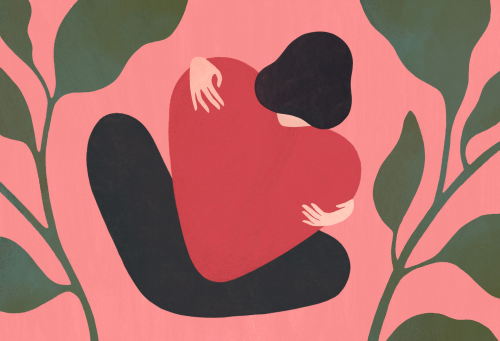
✨Takeaway: Regular tasks that you used to complete without thinking may now seem challenging to complete. Remember that you don't have to justify or defend your self-care.
✨Reflection: What self-care strategies have you found helpful during the grieving process?
#Grief #Loss #Self-Care #MentalHealth
If you liked this article, you may also enjoy: "3 Signs You're Masking Grief"
@innateJoy9602 Thank you for sharing these self-care tips for those dealing with grief. It's important to prioritize taking care of oneself during such a difficult time ❤️
@Mya000
Yes, self-care is always such a fundamental part of looking after our wellbeing <3 💜

A great post really helpful 💯
@empathicPanda9436
Appreciate you reading :)💜