Biphobia (Day 23 of Living Beyond a Label!)
Biphobia is an irrational fear of, and hatred or aversion towards people who experience attraction to two or more genders. People who face biphobia often struggle with homophobia as well, but sadly biphobia often comes from within the LGBTQ+ community as well.
One of the most common ways biphobia happens is through bisexual erasure or the belief that bisexuality isn’t real. You may be familiar with some of the erroneous stereotypes or assumptions that people have regarding bisexuality that make up much of biphobia. This includes things like assuming someone is heterosexual or homosexual based on the gender of their current partner, suggesting bisexuality is experimentation or a phase, or avoiding relationships with bisexuals for fear they will cheat.
Within the LGBTQ+ community people might be inclined to argue that bisexuals have heterosexual or straight passing privilege and so minimize or invalidate their experiences and need for support, but that’s just more bisexual erasure and biphobia at work.
Biphobia can be subtle, or more explicit. It ranges from things like erasure, minimization, dismissal and exclusion to stereotyping, harassment, discrimination and violence. Like any other form of hate, biphobia can lead to diminished quality of life, poor mental health, trauma, stress, health concerns, and a lack of support.
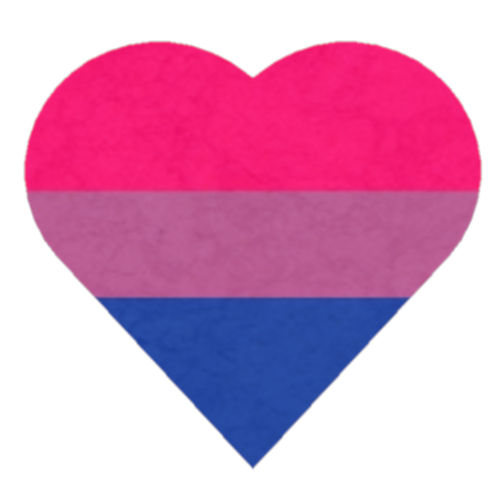
[image consists of textured heart in the colours of the bisexual flag]
So what can we do about Biphobia?
If you are a victim of biphobia, you may find yourself wanting to fight back, but it’s important to ensure your safety first and foremost. Afterward you may want to connect with others to get help, depending on where and what happened you may be able to contact the authorities, or the administration of a business, or simply one of the many support resources for LGBTQ+ people. Though sadly in some cases even contacting the authorities may require the use of caution so your safety and wellbeing is still most important.
As a community we can work to affirm bisexual identities and make an effort to avoid assumptions, learn, and ask questions. It’s also important that we don’t minimize or invalidate the experiences of people who are bisexual, and remember their bisexuality persists regardless of the gender of their current partner.
Source: https://www.healthline.com/health/biphobic#how-to-heal
Do you feel bi-erasure is a problem in the LGBTQ+ community?
What can we do to address it when we see it?
If you identify as bi, what would you want the community to know?
@EmotionsListener
As a bi person, I've experienced biphobia and bi erasure both within and outside the context of LGBTQ community.
I wish people would understand that most of the arguments for biphobia are basically the same as homophobia, so they're doing to us exactly what homophobic straight people do to gay people.
I think everyone should educate themselves more on bisexuality, it's meaning and the challenges it brings. I totally recommend reading "Bi. The hidden culture, history and science of bisexuality" by Dr. Julia Shaw as a starting point
@EmotionsListener
when I was going through my journey and thought i was bisexual, while dating a man, i'd get the age old stupid question: "aren't you straight if you're dating a guy." or when i was dating girls i was immediately labeled a lesbian and the lesbian community openly judged me when i did start dating a guy.
...??? 😂
so now i vocally challenge bipobic statements and stereotypes whenever i catch them.