VerWell Mind: Why Does It Seem Like Everyone Has More Than One Mental Illness?

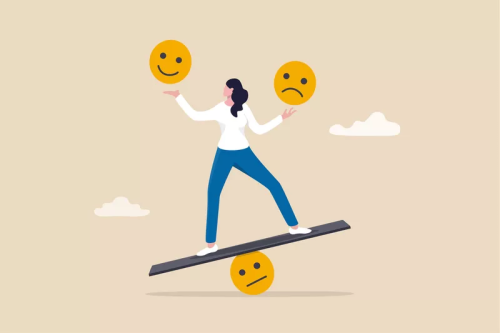
"Today, it seems more common than not to receive multiple mental health condition diagnoses, or comorbidities. In fact, research shows more than half of people that receive one psychiatric disorder diagnosis will receive a second or third diagnosis in their lifetime, while about a third will receive four or more.
The Research
Researchers from the University of Texas at Austin, Vrije Universiteit Amsterdam and other collaborating institutions analyzed the genetic makeup of eleven major psychiatric conditions, including bipolar disorder, post-traumatic stress disorder, major depressive disorder, anxiety disorder, schizophrenia, anorexia nervosa, obsessive-compulsive disorder, ADHD, Tourette's syndrome, problematic alcohol use, and autism.
The results revealed a shared genetic architecture between anorexia nervosa and obsessive compulsive disorder, as well as genetic overlap between anxiety disorder and major depressive disorder.
The findings identified 152 genetic variants shared across multiple disorders, but it's still unknown exactly what the genes do.
"This study is a stepping stone toward creating a diagnostic manual that better maps on to what is actually happening biologically."
The Challenges of Polypharmacy
Data from health care commercial intelligence service Definitive Healthcare shows the total number of mental, behavioral and neurodevelopmental diagnoses increased by 30% between 2018 and 2021. And total prescription claims for mental health-related drug classes increased by about 14% each year between 2017 and 2020.
Meanwhile, the prevalence of psychiatric polypharmacy, or the prescription of two or more psychiatric medications to a patient at the same time, varies between 13-90%.2
It presents challenges for both patients and practitioners.3 Research has shown that low levels of literacy and high levels of material disadvantage, which are common among public mental health service users, make managing and understanding multiple medications more difficult.
Because polypharmacy can be necessary and justified for certain patients, physicians are advised to approach prescribing multiple medications using the acronym SAIL.
S: Keep drug regimen Simple
A: know drug Adverse effects
I: The prescribed drug should have a clear Indication
L: keep List of drug name and dosage in patient's chart
and TIDE:
T: Allow Time to address medication issues
I: understand Individual variability
D: avoid potential dangerous Drug-drug interactions
E: Educate patients regarding treatment.
As genetic research like this continues to advance, managing medications and finding the most effective and streamlined treatment regimen could become much easier.
Read the full article here!
#Mentalhealth #MentalIllness #Research #Medication

@comfortableNight4463
Comorbidity between mental diseases are common so it's often hard to be dealing with one singular problem. Identifying and clearly defining these boundaries is important to finding effective treatments and therapies in the future.

I think people can experience a lot of cognitive bias. If you hang out where people who have mental illnesses tend to be, you will see that.
And yes, mental illnesses are very common, but I don't think of most people around me as having multiple mental illnesses. I'm aware some people I know may have depression or anxiety I'm unaware of. I don't know how many of them would have multiple diagnoses though.
Also, illnesses do tend to go together. With physical it could be something like ones that tend to be thought of as related to lifestyle factors for example type 2 diabetes & fatty liver disease. But there are also ones that it's just the nature of the illnesses, as an example I have allergies, asthma, eczema and nasal polyps which are things that do tend to go together. Of those with nasal polyps, the majority also have asthma.
Sure, can an illness cause more than 1 symptom, yes and I agree those aren't separate diagnoses. In the example with the cold the joint swelling is odd, that sounds more like the sneezing and coughing go with the cold and then the cold has also triggered another actual diagnosis like arthritis or fibromyalgia.
I think there are also issues with pathologizing certain issues in some settings, like grief. Does it affect mental health? Yes. Is it an illness? No.