Limited Mobility
While many people find it difficult to begin an exercise routine, it can be especially hard for those who have limited mobility. Fewer options make it difficult for those who have physical limitations to find an activity that is interesting, engaging, and simple. Additionally, fear of being hurt can prevent many from beginning an exercise routine.
 However, for those with limited mobility, exercise is especially important to preventing further injuries and protecting current abilities. The old adage, “if you don’t use it, you lose it” is especially relevant and can provide motivation for those who find themselves discouraged by their limited mobility. While this lesson is especially useful for those with physical limitations, many of the exercises will be helpful when you are tired or recovering from an injury.
Safety in Exercising
For individuals with limited mobility, safety is a priority. It is important to be evaluated by a medical professional before engaging in an exercise routine to learn how to prevent injuries. Have a discussion with your physician about adjunctive health services, such as physical therapy, that may help your exercise routine to be successful and safe. You should avoid exercises that engage injured body parts and ask a medical professional to recommend ways to begin exercising those areas after they heal.
Stretching is a key component of preventing injury. Warm up your muscles with light activity, such as walking, swinging your arms, and rolling your shoulders. Once your muscles are warmed up, you can lightly stretch your muscles. *Tip: Stretch for at least 30 seconds to loosen up your muscles.
A key aspect of exercising with limited mobility is listening to your body and knowing when to stop. If you experience increased pain, nausea, dizziness, or chest pain, you should stop exercising and seek medical help. It does not help to push yourself beyond what your body can do, as this can cause further injury. If you are doing a new exercise routine and it feels uncomfortable or more painful than expected, you may be doing the exercise wrong. Wait to continue that exercise until you can consult with your doctor or physical therapist.
Mentally Preparing for Exercise
Whether you have had mobility issues for a long time or if your physical limitation are a new experience, it can be embarrassing and stressful to begin exercising. You may feel self-conscious about your limitations and find it easier to avoid exercise. On the other hand, you may be fearful about possible injuries, even when the exercises have been recommended by your doctor. These mental and emotional barriers are common and should be recognized. Some ways to overcome these barriers include:
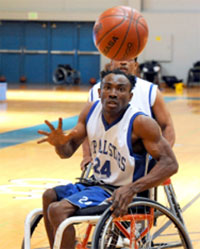 Focus on activities you can do, not ones you wish you could do. It seems simple, but diligently avoiding negative thoughts about your limitations can help you see yourself and your abilities in a more positive light.
- View your limitations as an opportunity to be creative. When new challenges prevent you from participating in an activity you love, find new exercises that incorporate some of the same aspects you found enjoyable. For example, if you loved playing sports but are no longer able to do so, you may exercise best in groups with like-minded individuals. Find others with similar limitations and work together as a team to increase your health.
- Mark down every effort as a success instead of focusing on progress. Health is just as much a mindset as it is a physical condition, and just making the effort is contributing to your health.
- If you are afraid of injury, initially choose activities that are very low-risk.
Cardiovascular Exercises
There are several ways to engage in cardiovascular exercise without sustaining further injury. Chair aerobics are a safe and effective method for raising your heart rate and burning calories. You can complete these exercises in a wheelchair or on a couch. With some assistance, other activities can increase your heart rate while reducing physical wear and tear. The key to these exercises is increasing your heart rate.
- Place a lightweight resistance band under your chair or bed to perform rapid resistance exercises with your hands or feet. This will increase your heart-rate and improve your cardiovascular health. For example, complete chest presses by putting the band around the back of your chair and pulling it forward and back rapidly (aim for one second up and two seconds down, with 20-30 reps). The following video gives a simple demonstration of this exercise: http://www.workoutz.com/exercise/seated_chest_press_with_exercise_bands
- Punch the air, with or without weights.
- Find out if any local health clubs offer pool-therapy programs. Swimming is a low-impact method of exercising that can provide a significant level of cardiovascular engagement.
Strength Training Sitting Down
Strength training is a key component of exercise, especially for those who have limited mobility. Strengthening certain muscles can help increase mobility and prevent injuries. For exercises specific to your abilities, consult with a physical therapist.
- Most free-weights can be used from a seated position. If you do not have weights, use cans of soup or bottles of water.
- Resistance bands can also be used for strength training. Use a heavier resistance band than the one used for cardiovascular routines.