Helping Someone with Bipolar Disorder
"Dealing with the ups and downs of bipolar disorder can be difficult—and not just for the person with the illness. The moods and behaviors of a person with bipolar disorder affect everyone around—especially family members and close friends. It can put a strain on your relationship and disrupt all aspects of family life.
The good news is that most people with bipolar disorder can stabilize their moods with proper treatment, medication, and support. Your patience, love, and understanding can play a significant part in your loved one’s treatment and recovery. Often, just having someone to talk to can make all the difference to their outlook and motivation.
You can also support your loved one by:
Learning about bipolar disorder. Learn everything you can about the symptoms and treatment options. The more you know about bipolar disorder, the better equipped you'll be to help your loved one and keep things in perspective.
Encouraging the person to get help. The sooner bipolar disorder is treated, the better the prognosis, so urge your loved one to seek professional help right away. Don't wait to see if they will get better without treatment.
Being understanding. Let your friend or family member know that you're there if they need a sympathetic ear, encouragement, or assistance with treatment. People with bipolar disorder are often reluctant to seek help because they don't want to feel like a burden to others, so remind the person that you care and that you'll do whatever you can to help.
Showing patience. Getting better takes time, even when a person is committed to treatment. Don't expect a quick recovery or a permanent cure. Be patient with the pace of recovery and prepare for setbacks and challenges. Managing bipolar disorder is a lifelong process.
The importance of support in bipolar disorder recovery
People with bipolar disorder do better when they have support from family members and friends. They tend to recover more quickly, experience fewer manic and depressive episodes, and have milder symptoms."
Read the full article on Help Guide
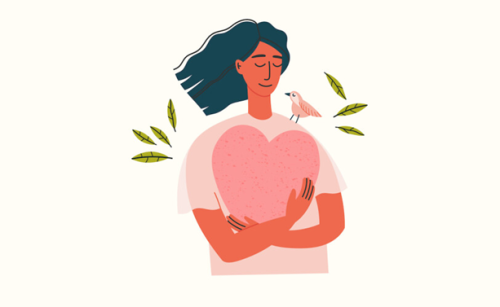
✨Takeaway: Dealing with bipolar disorder is not just a challenge for the person, but also for family members and close friends. Learning about bipolar disorder can help you be better equipped to help your loved one and keep things in perspective.
✨Reflection: How can you show your loved one that you care about them?
#Bipolar #MentalHealth #Support #Family #Friends #Helping #BPD
If you liked this article, you may also enjoy: "Mood-boosting Mental Health Tips to Start Your Day"

@innateJoy9602
the kindest thing one human can do for another is to allow them to be human, have emotions and be themselves ... while we be understanding and there for them to remind they are not alone 💗 sometimes it is everything it takes.
@Optimisticempath
Absolutely! Sometimes, all we need is someone to be there for us and remind us that we're not alone. Couldn’t have said it better myself. 💜
@innateJoy9602