Managing Mental Hygiene


Mental hygiene means taking proactive care of your mind as a means of preventing the onset of mental illness. Mental hygiene is a subjective concept as individuals vary. There is no universally accepted set of guidelines that you need to follow to have proper mental hygiene.
There are fundamental concepts in mental hygiene; adequate sleep, proper nutrition, regular exercise, social support, and regular checkups with a mental health professional.
Maintaining proper mental hygiene may also be using techniques that are meant to help relax and retrain your mind (grounding techniques, mindfulness, ASMR), to help yourself avoid unhealthy fixations and preoccupations that may trigger or intensify common mental health conditions, such as anxiety and depressive disorders. This concept is based on assumptions similar to those applied in other forms of preventive medicine. It is important to express self-awareness and conscientious effort to maintain optimal levels of health by avoiding behavior patterns and lifestyle choices known to impact well-being in a negative manner. It is important to remember that there is no hundred percent way to prevent many mental illnesses and that each coping method's effectiveness varies from individual to individual. Many times mental illnesses are tied to causal factors, including brain chemistry, genetics, exposure to toxins, substance abuse, and even specific social conditions. While some of these factors may not be under your control, others may be lessened by maintaining a healthy lifestyle, reducing stress, and avoiding preventable triggers of mental illness.
Basic mental hygiene principles focus on keeping a good overall physical health as a means of supporting natural, healthy brain function. To get this, you need adequate sleep, proper nutrition, and regular exercises as fundamental pillars of mental hygiene and professionals recommend trying to keep a regular sleep schedule to your best possible degree. Secondary techniques that you can do are limit your alcohol intake and avoid the use of illicit drugs and the abuse of prescription drugs. Both alcohol and drugs alter brain chemistry, which can increase your likelihood of developing mental illness.
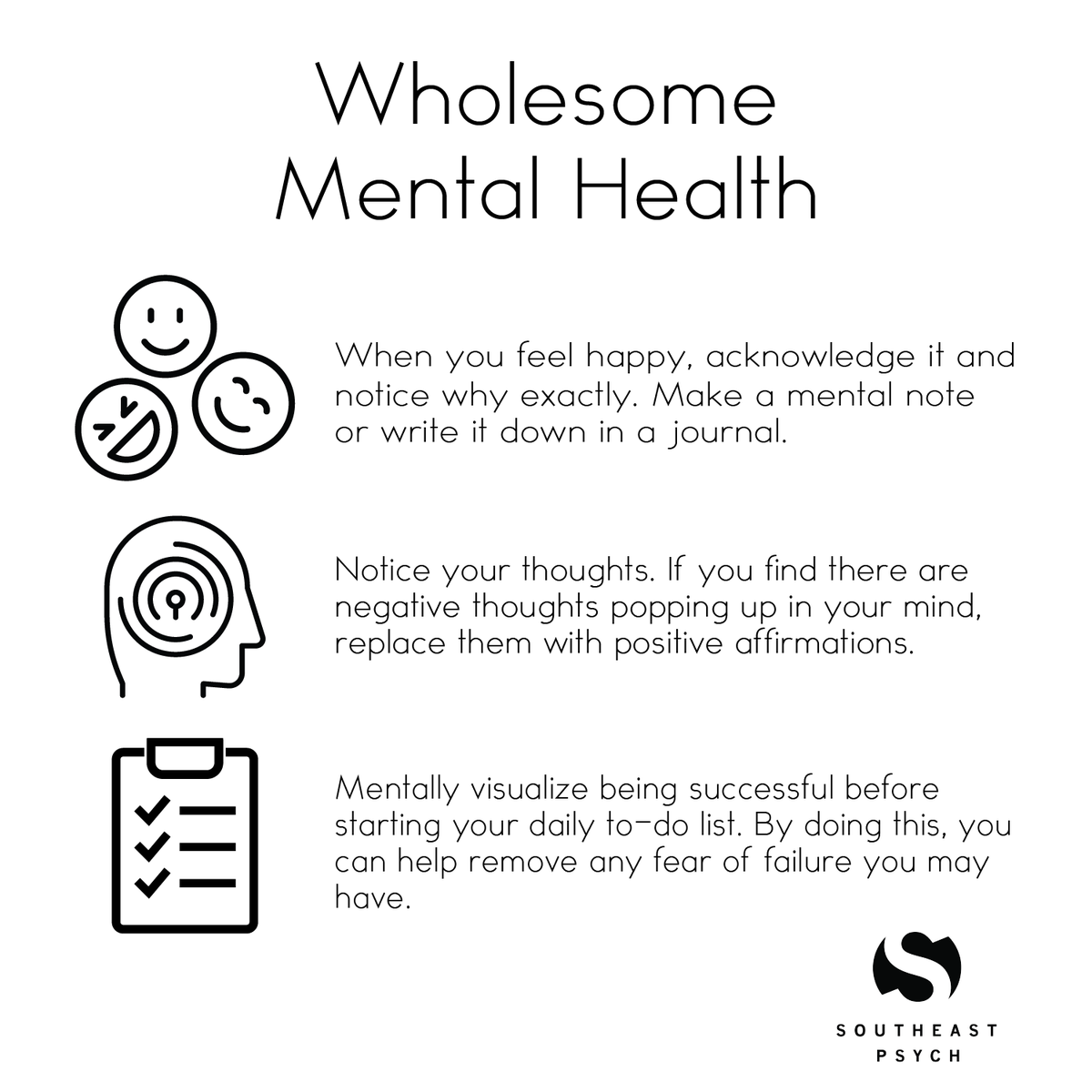
At a deeper level, it can be good for your mental hygiene to make an attempt to cultivate active, fulfilling social lives, community connections, and a sense of purpose in life. Social isolation and not having a purpose have been linked to mood disorders (eg. depression) and many professionals believe it is important for people to stay as engaged as possible with their life. Stress reduction techniques, like meditation and mental retraining, can be part of an individual's tailored mental hygiene program. These can be particularly useful if you have a high-stress occupation and for those who are predisposed to anxiety. Meditation involves focused breathing and visualization exercises to calm the mind. You can join many mindfulness discussions here on 7cups. Mental retraining involves the conscious effort to replace stress-inducing, worrisome, or otherwise negative thought patterns with positive alternatives.
According to professionals, it is important for individuals who are predisposed to mental illness to have regular professional checkups, just as one would have with a physician or dentist. Known predispositions include a family history of mental illness and/or previous personal history with mental illness or related disorders. Regular checkups give those who are predisposed individuals a place to turn for frontline treatment when symptoms begin to onset. Similarly, maintaining mental hygiene allows you to be able to detect possible warning signs of mental illness to seek prompt attention from a qualified mental health professional. Examples of warning signs to look out for are sleep disturbances, prolonged periods of sadness or low mood, difficulty concentrating, sluggishness, loss of pleasure in previously enjoyable activities, changes in eating patterns, diminished sex drive, and significant mood swings or personality changes.
Discussion
- How is your mental health right now?
-
What mental hygiene techniques do you have?
Greene, J. M. (2022). Mental hygiene. Salem Press Encyclopedia of Health.
Hopie. Interested in sending a Listener Coach Request or to be a Verified Listener, send me a PM

I found this post very helpful. I also had never heard of that terminology even though I have come from that field. I am very recently doing quite well. Some of it due to nothing I've done but rather getting some answers in my health issues. However I do practice some mental hygiene. I have finally allowed myself to sleep instead of constantly trying to be productive. I'm getting better at deciding can wait until later. Not stressing that everything has to be done right now. I have always had trouble relaxing and I'm finally remembering to sit back and relax my body in a chair, breathing exercises help tremendously. When I am wallowing in negativity, I go where my grandson is and/or his friends, to see what they are about. That usually brings a smile from either something cute they say or do, or something cantankerous they say or do. Either way. I also take time to see and hear nature in my yard, or feel the cats fur, which book the cats and I love..