Habits vs Addiction
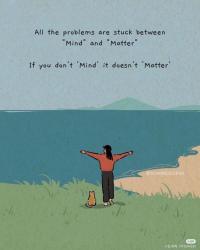
Have you ever had confusion about the words habit and addiction? How can we determine a difference between our activities as habitual behaviours or addiction?

It's very important to understand that what we ignore as an unhealthy habit could be our addiction. In this forum discussion, let's know more about the key differences between these two and a checklist for habit vs addiction.
Key differences between Habit and Addiction
• Habits can be changed easily without much effort and requires less attention for altering. Addiction requires a large amount of time, long term plans and effort to change the behavior.
• Addiction is generally categorized by tolerance, withdrawal, physical cravings, emotional obsession. It is not healthy to form an addiction as despite its harmful consequences we can keep manifesting it. Habits are behavioral repetition like brushing teeth twice a day, eating junk food or shopping and could be healthy as well as unhealthy habits.
• Habit is done by choice and an individual can choose to stop. In case of addiction emotional, physical and psychological components are involved which means that an individual is unable to control their particular behavior.
• Habits can be characterized by pleasure and rewards. Addiction is loss of control, obsession, compulsion, negative life consequences.
Checklist for habit vs addiction
There are 4 questions given below which could be answered in YES/NO. If you're answering 'yes' to any of these questions then you likely have an addiction.
1. Is your behavior having a negative impact—directly or indirectly—on your life?
2. Do you repeatedly put yourself in risky situations?
3. When you stop drinking or using for any length of time, do you experience withdrawal symptoms like anxiety or stress?
4. Have you taken steps to hide your behavior or have you repeatedly, but unsuccessfully, tried to stop drinking or using on your own?
Discussion question:
Did you answer yes to any of the above questions? If no, do you have any unhealthy habits? What are the unhealthy impacts of your habit/addiction in your life?
Addiction Support Tag List (Click here to add/remove yourself from the tag list)
@1947treble @Ahmedeid0 @AJurn @Akunin11 @amandalallen1978 @AmelunkeMason @Ang0825 @Anonymousloner4773 @apcalime @ASDdad @Azalia1109 @BemusedStorm @BeTheChangeYouWant @Blueavacado1053 @Bluedragonflies1 @BlueWhite1972 @Bookworm548 @Bravepanther99 @brightPlane3692 @brutalBiscuit @Cashew16 @cat0427 @catx831 @CharlyK @chassymom @Chickadee123 @colorado76 @ComingupforAir @Compassionate99 @Courtney5491 @creativeStrawberries2341 @CrimsondAngel @Daisy7cups @DallasTheDancer @dancingstrawberry34 @danieIIejs @diplomaticBeach8952 @donnie25311 @DONOTBEAFRAID @downhillfromhere @Dramahkween @dtanushree @eisalive @Emmaleas @Evocate @Fantacy @FantasticDancer50 @fearlessFriend2459 @fearlessPine2167 @feathersofhope @GC278 @goldenFields88 @Goldentriangle1234 @Grandmagg @greenNectarine3734 @greenVillage7628 @hannahbanna93 @Hashib22 @helloKitten9563 @HelpMeCope @Hereintime @Hyacinth22 @ImaMaia @IndependentCup2164 @IndigoRoses @InfinityandBeyond23 @InternalAcceptance @inventiveAcai3503 @islandgypsy @Italianbabe @ItsReganingRain @iwant2change @jadestones @jaedae @jbirdg12 @Jennifer11 @jenstar523 @Jerms @JVS2121 @Kindheartedpanda31 @kurtkangas @lavenderpeach1107 @Lgeorgebtq @Lolaem @Lord101 @lovelyWhisper66 @lyricalAngel70 @MamaHippo @MangleTheFox21 @Marcos49001 @Meggcfranklin11 @Melliex3 @Michelle @mija123 @Mmills01 @MonkeyMind1 @NeedProfessionalHuggers @Novalis4u @ObssessedWithFire @overtherainbow17 @parisayano @Peace0000 @Peterk1447 @Petrichor2000 @playfulPink51 @Pluckydrum5184 @Poisonking @PowerofNow247 @prodigalprincess @Randa3196 @RebelXena14 @repen13 @resourcefulPond1641 @RickyBartlett @roseMelody95 @sabrinathetiger @SaltyBreeze @scissorsandgloss @Seeker1898 @sensitiveCircle3880 @serenak @Shhh123 @ShyCar @Snowcream @StephaneedHelp @Supportivemango76 @sweetlife101 @SweetTortoise @Taylor73 @Tazzie @tony5795 @toucans @traylonely67 @Tyedyedbutterfly65 @Vampirecell5 @Weisseguy @Whenfishesflew @XenaKane23 @xoalexaox @YaboiRogers @Yourrecovery @YungSartre
Reference: Habits Vs Addiction
1. Is your behavior having a negative impact—directly or indirectly—on your life?
Yes
- It affects my social life as I like to be alone
- It makes me lazy, frustrated, lost
- It wastes my time so I have less time improve your skills
2. Do you repeatedly put yourself in risky situations?
No
3. When you stop drinking or using for any length of time, do you experience withdrawal symptoms like anxiety or stress?
Yes
I suffer from symptoms like depression, sadness, boredom and craving
4. Have you taken steps to hide your behavior or have you repeatedly, but unsuccessfully, tried to stop drinking or using on your own?
Yes
@Lolaem
Hi there lolaem! Thank you so much for sharing your thoughts. I know that the journey of quitting is a difficult road but throughout this journey i hope you'll rise everytime and be stronger and get success eventually. Best wishes to you! 
@Lolaem
The road of recovery is not an easy one. It's good to see that you have insight on your behviors and the impact they have! Keep taking those steps and thank you for sharing with us!

@dtanushree
1. Is your behavior having a negative impact—directly or indirectly—on your life?
Negative: It's affected my social life, my grades, and college class
2. Do you repeatedly put yourself in risky situations?
No, I don't believe so. I argue a lot.
3. When you stop drinking or using for any length of time, do you experience withdrawal symptoms like anxiety or stress?
Yes I do because I feel like I can't function.
4. Have you taken steps to hide your behavior or have you repeatedly, but unsuccessfully, tried to stop drinking or using on your own?
Yes, then I hit rock bottom and reached out for help. I reached out to a friend and my college advisor.
@cyanCamp7612
Hey Camp! Thank you so much for sharing your thoughts. Hitting rock bottom would have been a painful experience for you. But i hope that in this journey of healing, you will come out as a stronger human. We are all here for you. Sending beams of love and strength to you 
@dtanushree
1. Is your behavior having a negative impact—directly or indirectly—on your life?
Yes, unfortunately it has affected my grades and my ability to save my money.
2. Do you repeatedly put yourself in risky situations?
I mean, I guess meeting up with someone I've never met before during a pandemic could be a risky situation. Of course, I keep my distance and wear a mask, but if I didn't buy anything, I wouldn't have been in that situation.
3. When you stop drinking or using for any length of time, do you experience withdrawal symptoms like anxiety or stress?
Yes and no? Like, I get stressed because things in 2020 are stressful by nature, but I'm unsure If they're related.
4. Have you taken steps to hide your behavior or have you repeatedly, but unsuccessfully, tried to stop drinking or using on your own?
Well, I've hidden it from my foster mom because she's not okay with that kind of stuff in her home (which is understandable). And I have tried quitting unsuccessfully, unfortunately. Many times. However, I have been weaning off, so there's some progress!
@toucans
Hey Toucans! I can understand that its difficult to quit addiction but i am so happy that you're trying your best. Glad to hear that there is progress! Thank you so much for sharing your thoughts
There are 4 questions given below which could be answered in YES/NO. If you're answering 'yes' to any of these questions then you likely have an addiction.
1. Is your behavior having a negative impact—directly or indirectly—on your life?
2. Do you repeatedly put yourself in risky situations?
3. When you stop drinking or using for any length of time, do you experience withdrawal symptoms like anxiety or stress?
4. Have you taken steps to hide your behavior or have you repeatedly, but unsuccessfully, tried to stop drinking or using on your own?
I think this is pretty ridiculous and is stigmatizing to many regular things people do. I don't think Chris Clancy (a journalist) is qualified to make a statement such as this -
If you're answering 'yes' to any of these questions then you likely have an addiction.
My reasoning when going through the questions as to why this is ridiculous
1. Many behaviours, including things that are healthy overall, have a negative impact on one's life in some aspects. For example, I use multiple injected medications, it causes pain when doing so. There's a tradeoff to pretty much everything and many habits will take up time, energy, money, etc. Just because things that are addicting can have a negative impact on one's life doesn't mean all things that do are related to addictions.
2. Many things have risks involved, but again, that doesn't mean they are addicting. One of the most common risky behaviours people do is travel in a vehicle, whether it's as a driver or a passenger. Medications and treatments have risks. Exercise has a risk of injury and can also be a risk factor for people with a variety of conditions.
3. Withdrawal is a seperate issue from being addicted to a substance. Many people using medication or some treatments will experience withdrawal symptoms if they stop, and this isn't limited to stress and anxiety. Withdraw food, water or oxygen from people - they will experience effects from doing so.
4a. Again, this isn't something that is specific to addiction. People have a variety of reasons for keeping things from others. Imagine someone in an abusive situation regularly getting therapy and hiding it from the abuser - are we really going to label that as them being addicted to therapy? There can be a lack of acceptance or one may percieve their habits won't be accepted by others, so they hide it.
b. Trying to stop something and failing doesn't mean one is addicted. Stopping medication or treatment may cause symptoms to get too extreme, so one ressumes. Stop eating? One will become hungry and then there are a series of physical effects that will occur as it continues. Someone might choose to stop working and discover they are going through their savings faster than they thought so they resume work.
Things that would be labelled an addiction according to this that I do:
Exercise, eat, drink, sleep, breathe, use of my medications, phototherapy, work.
Some of these hit yes to one question, but some go up to 4.
I think statements such as what's being made here are dangerous and stigmatizing.
That's a very unique perspective. I have no desire to offend anyone. Im so sorry that the post seems stigmatizing to you.
If we look at the world from your perspective, everything is dangerous and addictive. All the above questions are asked keeping in mind that we are only talking about addictions, unhealthy habits. Usually when a person is thinking about addiction, they are aware of the things they doing in life and well educated about things which are addictive. I've mentioned in my post that (It's very important to understand that what we ignore as an "unhealthy" habit could be our addiction. In this forum discussion, let's know more about the key differences between these two and a checklist for habit vs addiction)
Eating, working, exercising,breathing.. If these things include putting oneself to risky situation then it doesn't mean that one is addictive. It simply means that there are risks in life 24×7. We have only this moment and even breathing could lead to death so beware of life. I'd like to simplify your explanation with an example.
Let's take an everyday activity as an example. I BREATHE everyday. Now I'll answer the questions.
1. Is your behavior having a negative impact directly or indirectly on your life? Yes 100% I breathe since my birth and it has resulted into some diseases like asthama and bronchitis(if dust particles don't enter through nostrils I'll not have dust allergy and I'll not suffer from bronchitis). If i don't breathe i don't have to think about asthama as well anymore. Breathing is having harmful impact on my body.
2. Do you repeatedly put yourself in risky situations? Yes. No matter how difficult a situation is i keep breathing. I was drowning once in the river as a kid and i tried to breath in that situation under Water. I put my life into risk to breathe!! Water entered through my nostrils and caused me to get unconcious. Only if i wouldn't have tried to breathe while drowning the situations would have been so different.
3. When you stop drinking or using for any length of time do you experience withdrawal symptoms like anxiety or stress? Yes. I just tried to not breathe for 5 mins and i was having anxiety even thinking about it!!
4. Have you taken steps to hide your behavior or have you repeatedly but unsuccessfully tried to stop drinking or using on your own? I never really told anyone about my breathing habit. I wonder if my family knows. But its so addictive that im in no position to reveal this truth if someone is going to stop me from breathing then i am going to get unwell definitely.
If you are connecting a set of questions with every single thing you do in your life then im really sorry i accept that im addicted too. There are many people who are using drugs/alcohol and confused if they're addicted or just an unhealthy habit.. So this post is for such people who are finding it difficult to understand if their particular habit (related to gambling, intercourse, internet, pornography, using drugs, etc) is just an unhealthy habit or an addiction.
Some people are offended by all no matter what happens. But i respect your point to. Our perspectives are different and i wish this post wasn't stigmatizing to you. It's similar to something Paulo Coelho says in his book.. Reality is what the majority deems to be. If the majority finds this post stigmatizing i have no problem if the post gets removed.
If you're looking at another person's behavior towards you as a reflection of the state of their relationship with themselves rather than a statement about your value as a person then you will over a period of time cease to react at all.
I will cease to react now.

A very clear and concise perspective on how habits or lifestyles can be mis-attributed to addictive characteristics.
As dtanushree stated, no one here has an intention to offend. You have a right to express your perspective and it brings more awareness to the topic. Every habit is unique and born of conscious thinking within the mind. We have the choice to subscribe to the beliefs and convictions we value, and discard the rest.
I applauded you, AffyAvo, for your courage to speak out and contribute to the 7 Cups community. You are valuable here!
I hope this is helpful! 😊❕
MindRoots
If we look at the world from your perspective, everything is dangerous and addictive. All the above questions are asked keeping in mind that we are only talking about addictions, unhealthy habits. Usually when a person is thinking about addiction, they are aware of the things they doing in life and well educated about things which are addictive. I've mentioned in my post that (It's very important to understand that what we ignore as an "unhealthy" habit could be our addiction. In this forum discussion, let's know more about the key differences between these two and a checklist for habit vs addiction)
It is not my perspective that everything is dangerous and addictive, the way the criteria is laid out suggests many beaviours people in engage in are due to addictions, I very much disagree. The criteria laid out really gives a false sense of what an addiction is.
Eating, working, exercising,breathing.. If these things include putting oneself to risky situation then it doesn't mean that one is addictive. It simply means that there are risks in life 24×7. We have only this moment and even breathing could lead to death so beware of life. I'd like to simplify your explanation with an example
If you are connecting a set of questions with every single thing you do in your life then im really sorry i accept that im addicted too. There are many people who are using drugs/alcohol and confused if they're addicted or just an unhealthy habit.. So this post is for such people who are finding it difficult to understand if their particular habit (related to gambling, intercourse, internet, pornography, using drugs, etc) is just an unhealthy habit or an addiction.
That's where this is dangerous. Many times people aren't addicted to drugs, they need them. There's already a lot of sigma around them though and this just further pushes the narrative that in many cases, people using drugs are probably addicted, when the evidence doesn't support that. There's also a big problem with lavelling dependence as addiction, the 2 are very different things although they can occur together.
If you're looking at another person's behavior towards you as a reflection of the state of their relationship with themselves rather than a statement about your value as a person then you will over a period of time cease to react at all.
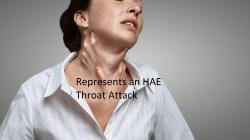
It's not as simple as this. When people end up being accussed as being addicts, there can be a lot of fallout that has nothing to do with how they value themselves. People have trouble getting necessary medical treatment in the hopsital, people lose custody of children, etc. This is why adding onto such stigma can be so dangerous. As an example, I have hereditary angioedema, my throat can swell shut due to this. I've seen things stated that if a patient asks for a certain medication, they are probably addicted to it. When I go to the hospital with an attack, doctors tend to want to use the drugs that work on histamine mediated angioedema, not bradykinin mediated angioedema. So I do tell them what medications I need. If a doctor decides that's because I'm addicted (luckily it hasn't happened to me, other HAE patients have experienced that) it means I'm even less likely to get medicatino that can prevent me from dying - and it's something that is often already a fight even without being labelled an addict. This thread at least isn't doing that. Still though, if someone is hearing from others they are probably addicted, they may start to question that when they are not, then they come here and see this which suggests things are an addiction that have nothing to do with addictions.

Habit means when you do chores at the right time. Addiction means when you don't know the need of something but anyway you will take chances for it. (Example) - just a cup of coffee at 7 in the morning is a {habit}, even though your mood is bad or good. But, if you drink a lot for unnecessary reasons in short breaks then it's addiction. Anxiety or stress are nothing to do with this nature. Just stop overthinking and it's over and done. Try to improve the knowledge, not the informations you read from unnecessary online sources. Eat or drink only when you are hungry. Too much garbage ruins everything.
Thank you, SoulPit, for your clarifications.
In brief, addiction is in the beholder's eye and often, the law of the land.
In a clinical setting, addiction corresponds to criteria. In a medical setting, it is relative to health. In the peer support arena, it is about identifying common behaviors. Overall, each person is the decider about addiction and how they subscribe to its definition.
Moreover, it is the path of healing or recovery that is central, above the definitions. If a person wants to heal from a habit, they can choose to call the habit an addiction.
In general, I sense everyone within these threads of discussion has a good heart and truly wants to be supportive. By reading between the lines, it is clear we care about one another.
This is a unique and in my opinion, the sacred community here at 7 Cups. I do appreciate the chat! 💜
Hope this is helpful for all! 😊
MindRoots