The Toll of Caution Fatigue Amidst Ongoing Viral Outbreaks
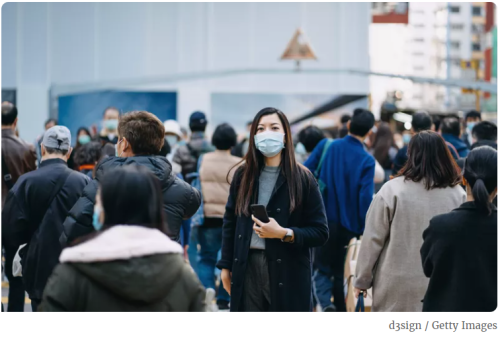
"The COVID-19 virus is one of the top 10 things people are worried about worldwide.1
And recent new concerns like monkeypox, polio in wastewater, tomato flu, and even new strains of the coronavirus, are causing more alarm. As the numbers for one virus start decreasing, there always seems to be another viral invasion ready to take its place. “It is important to assess risks and reality as we hear about new threats. While there is plenty of misinformation to muddy the waters, if we only look for data to confirm how we want things to be, we likely won’t fully appreciate the risks and understand how to protect ourselves,” explains Wendi L. Lopez, PsyD, Pediatric Psychologist, Cincinnati Children’s Medical Center.
When Worry Goes from Good to Bad
Worrying usually has a negative
connotation. However, research shows that worry can be beneficial in some
instances. It can serve as a motivator, to help someone take appropriate
action.2
“Worry, just as all types
of anxiety, is normal, natural, and protective.
Worry thoughts make us vigilant and help us stay safe. Without worry or anxiety
we would engage in unsafe behavior and likely not survive,” says Dr. Lopez. “A
balance is necessary: worry enough that it makes us cautious and keeps us and
others safe but not so much that we are unable to make decisions and be
functional in our lives,” she adds.
Caution around the spread and treatment of COVID-19 is not only necessary; it’s lifesaving. The problem comes in, however, when worry becomes paralyzing.
“Anything is harmful when it stops you from functioning. Really simple black and white. If you do not function, you can’t sleep, you can’t eat, you can’t get up,” states Mayra Mendez, PhD, LMFT, licensed psychotherapist and program coordinator for intellectual and developmental disabilities and mental health services, Providence Saint John's Child and Family Development Center.
“It can increase anxiety; it can increase a sense of powerlessness [or] hopelessness. The emotional capacity is not as receptive, [and] it distorts our thoughts,” Dr. Mendez says. “When we’re so overwhelmed or so over exhausted, we stop being able to differentiate between what [we can and cannot do].”
You can’t control a viral outbreak. But you can control your reaction to the stressful situation that it is creating. That control extends to deciding what amount of caution is needed and determining how to protect yourself from becoming exhausted with being vigilant.
Keeping Worry from Becoming Caution Fatigue
Experts say turning off the news for a while can be helpful. But it doesn’t resolve the issue long-term. You have to implement strategies to regulate your stress levels.
“[This] signifies the importance of finding down time, and the importance of being able to hit the reset button both individually and culturally as groups and as a society. It’s important for us to come to a place of collective calmness, so we can reassess new stressors when they come up,” advises Dr. Merrill.
“One of the best ways to protect our mental health is to engage in regular healthy habits: good sleep, good eating, exercise, hydration, and relaxation. This is the foundation that helps our nervous system function well,” Dr. Lopez explains. “Engaging in relaxation skills daily (yoga, meditation, breathing skills, muscle relaxation, etc.) is [also] crucial in down-regulating our nervous system,” she adds.
Seeking help from a mental health professional can also make a significant difference."
Read the full article available at Very Well Mind!
Reflection:
Have you ever struggled with caution fatigue? How did you cope?
#CautionFatigue #Stress #Anxiety #MentalHealth
@comfortableNight4463
Yes I have!
I feel like I am more hyper aware to news about health now since covid!
I think it helps to not read or view news first thing in the morning and take it in healthy amounts!
Thanks for the post!💛💫
@innateJoy9602 Yes! Sometimes being hyper-aware can be so damaging. Thansk for sharing your thoughts!
@comfortableNight4463
Thank you for sharing. I have not heard the term 'caution fatigue' but I know that it's real and many people experience it (including myself). I find the research surrounding the pandemic to be interesting and insightful.
I know that the pandemic paralyzed some with great fear. There were times when I felt this way, but other times not so much. I think that's because I am already an anxious/stressed/depressed person. We all process things very differently based on, well, how we process things. :) Because I am already in a fight or flight mode much of the time, there were times that the world 'in panic' did not increase my panic or anxiety. (But, I can see how for others it could make things much worse.) Lock down was actually calming for me---not having to go anywhere, see anyone, and not having to make excuses. I have spoken to others who have said similar things. I think it's very interesting how our reactions differ in various circumstances.
@Olive1Q82 Yes! People process things differently. I'm sure many people have anxiety and fear surrounding the pandemic but they differ in how they process it. Thanks for sharing your thoughts.
I found it sad how many have developed crazy amounts of stress and IMO are not ever going to be normal again....
The division and strife caused by the media machine fueling the fear did not help anyone..... and frankly the findings that many options and panic were unnecessary are played down by the same media types that pushed a flawed story for so long.
I can only imagine that many have developed depression and phobia about things that have or will have mental health costs.
@toughTiger6481 Exactly. I can't imagine how this pandemic has taken a toll on people especially on their anxiety.

@comfortableNight4463
Yes I have! I sometimes call this the "news of dread" meaning sometimes I like to read "bad news" since it gives me a sense of control, hence why I was notoriously checking a lot of news during covid-19 to feel like I got ahead of the "danger". So yes, I have definitivly expereinced caution fatigue but it really became an issue during the midst of the pandemic.