Cupsgiving with Care (What Cupsgiving Means at 7 Cups)

Hi, everyone!
This week during the Thanksgiving holidays, we will be celebrating Cupsgiving with Care, a time where we celebrate gratitude not by looking away from history, but by holding truth and compassion side by side.
At 7 Cups, we know that gratitude is powerful. But so is honesty, remembrance and care.
For many Indigenous peoples, this time of year is not a joyful celebration, but a time of mourning, remembrance, and resilience. On the same day many people celebrate Thanksgiving, Indigenous communities observe the National Day of Mourning, honoring their ancestors and acknowledging the histories of displacement, loss, and survival.
As we reflect on community and giving, we also pause to honor the Indigenous peoples whose history is deeply connected to this season. For many Indigenous communities, this time of year is not a celebration, but a period of remembrance and resilience.
Many Indigenous communities continue to fight for protection of their lands, water, and ecosystems; preservation of languages and cultural practices; recognition of their history, and healing from intergenerational harm
Raising awareness is one of the simplest and most meaningful acts of respect we can offer. Cupsgiving with Care is our way of embracing a fuller, more authentic meaning of gratitude: one that includes truth, empathy, and respect for those whose voices have often been overlooked.
What Cupsgiving Means at 7 Cups
Cupsgiving is not about the traditional holiday story.
It’s about:
Gratitude grounded in awareness
Kindness rooted in compassion
Connection that honors everyone’s experiences
Holding space for those who carry generational pain
Celebrating resilience - both personal and communal
Here are some things you can do this week to celebrate Thanksgiving/Cupsgiving with Care - awareness itself is an act of respect:
Look up which Indigenous nation’s land you currently live on
Read a poem, quote, or book from an Indigenous author
Learn about the National Day of Mourning and why it exists.
Explore one small cultural tradition or value from an Indigenous community.
Reflect on how gratitude can include awareness of harm and acknowledgement of resilience.
Discussion Questions:
What’s one thing you learned today (or recently) about Indigenous history, culture, or resilience that stayed with you?
How can we practice gratitude in ways that honor Indigenous peoples rather than overlook their experiences?
(Bonus!) What does gratitude mean to you when you think about it through the lens of truth and awareness?
Once you've responded here, go check out our masterpost for November's Seasons of Support.

@Heather225
Thank you for this wonderful reminder, H! It’s indeed so important that we remember “inclusivity” in everything we say/ do, and yes, showing compassion through care and awareness. 💖
What’s one thing you learned today (or recently) about Indigenous history, culture, or resilience that stayed with you?
A reminder about how much efforts they’ve put into preserving the language, culture and their land and how powerfully resilient Indigenous communities have been.
How can we practice gratitude in ways that honor Indigenous peoples rather than overlook their experiences?
I think you showed us the way so well. Exactly this. Voicing out. Creating a space. Welcoming stories. Sharing compassion and remembering that smallest ways in ensuring we are being respectful to one another counts and makes a big big difference.
(Bonus!) What does gratitude mean to you when you think about it through the lens of truth and awareness?
Honestly, gratitude with awareness feels even more real and even more compassionate to me. Like there’s space for both joy and pain and the quiet reminder that both can co-exist, respectfully by holding space and valuing one another’s experiences and beliefs.
I see “cupsgiving” as this annual event with tons of opportunities to amplifly kindness, compassion, support and gratitude in the community and I’m grateful to get to share this beautiful space with everyone here. 💖
To people celebrating, wishing you tons of merry wishes. 💛
To people remembering, sending you lots of strength and grace. 💛
To people simply being, I see you and offering you many hugs. 💛
To everyone seeing this, thank*youuu* for being here, you’re valued and worthy as you are. 💛

@Heather225
What’s one thing you learned today (or recently) about Indigenous history, culture, or resilience that stayed with you?
Indigenous cultures are in danger of disappearing from the Earth. For hundreds of years, they have been silenced, and their culture decimated by the people who wished to convert and control them. Nowadays it is poverty, racism, stereotyping that holds back elders from teaching, and holds back some young people from even learning about their culture.
How can we practice gratitude in ways that honor Indigenous peoples rather than overlook their experiences?
Learn positive, true stories about Indigenous cultures. For example, In 1847, during the height of the Irish potato famine, the Choctaw Nation raised and donated $170 (worth several thousand dollars today) to help starving Irish families. Attend a powwow. Everyone is welcome! You'll learn about a different culture and eat very yummy food.
What does gratitude mean to you when you think about it through the lens of truth and awareness?
I have an equal balance in loving our traditions every year, while remembering what this "holiday" means for other people. I'm grateful for everything I have, and I am praying for the people who are still hurting.
@Heather225
Wow , what a beautiful gesture, I am definitely going to research some poetry and the history of such wonderful people 💖

@Heather225
What’s one thing you learned today (or recently) about Indigenous history, culture, or resilience that stayed with you?
for us was many years ago we use to be apart of a online forum that was spiritual a lot of the ones in it were native American we from them learned a lot
the big thing was they want others who not native American to learn from them their ways
so in 2005 when we was at a very low point in our life we was invited by members of that forum chatroom to go on a vision quest it was just what we needed to have at that time to start our healing journey more fully we had just left our now ex hubby that was abusive
so we learned what a vision quest is and meaning of each part of it was amazing for us
How can we practice gratitude in ways that honor Indigenous peoples rather than overlook their experiences?
by truly listening to them giving understanding about what happened to their people and them the long lasting effects over generations of their people
support their ways learn more about them as in that you learn why they believe as they do honor their ways too in end you become more thankful for their ways see truth within them too
(Bonus!) What does gratitude mean to you when you think about it through the lens of truth and awareness?
it mean to us to be thankful for every small blessing within our life even within others lives as when we truly learn about others and see their truth from their point of view we become more understanding and grateful for each of them and their ways aware of what they believe and who they be as a person not just a people in the end but truly personal to you

What stood out to me is how deeply connected Indigenous communities are to land and family. That continuity, even through hardship, shows a strength that really stayed with me.
Practicing gratitude in a respectful way. I think it means slowing down and actually recognizing the history of the land we’re on, listening to Indigenous voices, and being mindful not to gloss over their experiences. Gratitude feels more real when it includes respectful.
Gratitude through truth and awareness. To me, gratitude means being honest about how we got here. When I look at it through that lens, it’s less about a personal feeling and more about being aware, appreciative and responsible.

@Heather225
Thank you for sharing this wonderful post, H! I didn’t know about the National Day of Mourning before, and it makes me think about how gratitude can include awareness, respect, and care for the experiences of others. I like the idea that kindness and connection can honor people’s resilience and histories.
What’s one thing you learned today (or recently) about Indigenous history, culture, or resilience that stayed with you?
I just learned from this post about the National Day of Mourning. It stayed with me because it reminds me that in the past, people valued and cared for each other deeply, even without technology, showing love and appreciation in meaningful ways.
How can we practice gratitude in ways that honor Indigenous peoples rather than overlook their experiences?
We can practice gratitude by learning about Indigenous histories, listening to their stories, and recognizing their resilience. We can also brainstorm new ways to express gratitude by reflecting on the teachings of our ancestors and how they valued and supported each other.
What does gratitude mean to you when you think about it through the lens of truth and awareness?
Through truth and awareness, gratitude is more than appreciation for what we have. It’s about valuing others, recognizing their struggles and resilience, learning from the wisdom of the past. not letting modern life and excitement make us forget to care for those around us.
I love the idea of celebrating the cupsgiving with "awareness itself is an act of respect" list. So today, I am dedicated to at least get two of these done today. Besides, I am really interested in different cultures and always eager to learn but sadly I have never looked up about the indigenous people who had lived once in the small town where I am now. Thank you so much H for this important reminder and happy thanksgiving and cupsgiving to everyone! 💖💖💖

If we look back, while the first 'Thanksgiving' was in 1578 in what we now call Nunavut, First Nations and Inuit people were celebrating the harvest on Turtle Island well before that, and some of those traditions have been incorporated into modern day Thanksgiving celebrations.
What’s one thing you learned today (or recently) about Indigenous history, culture, or resilience that stayed with you?
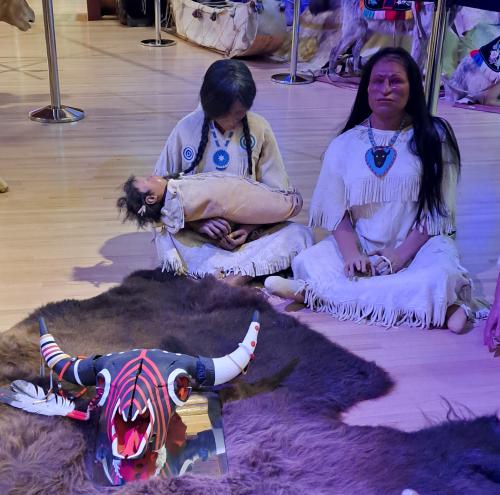
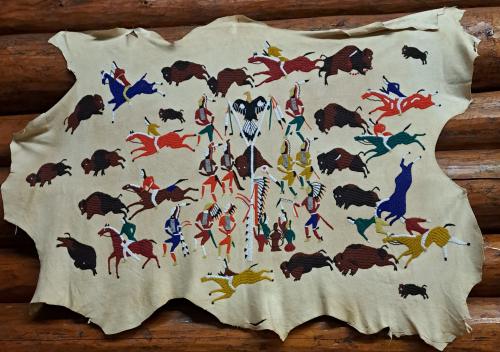
Where I live is part of land covered under Treaty 6. The Plains Cree, Woods Cree, Nakota Sioux, Saulteaux and Dene and crown had representatives. Siksika people also live here, and I am used to hearing them listed in land acknowledgments so typing this out I have learned they were not actually represented for the Treaty 6 agreement, but were for Treaty 7. I will try to attach some pictures from the Buffalo Museum below, which includes some pieces from these cultures.
How can we practice gratitude in ways that honor Indigenous peoples rather than overlook their experiences? (Bonus!) What does gratitude mean to you when you think about it through the lens of truth and awareness?
Appreciation for what I have, the people who surround me, but also looking at where we need to go. Going back through my family, most of my ancestors who immigrated to Canada due to fleeing genocide. in the prairies there were close ties between them, First Nations and Metis people. While my relatives were not always embraced, I rarely experience racism and when I do it is not typically at a systemic level. Indigenous individuals and groups deal with racism frequently.
@AffyAvo
thank you for sharing we honor the ones before us and the first ones who lived in the land we became very aware of the suffering of the native American over the years due to having friends who are native American also going to pow wows many times over the years were we grow up there markers for the trail of tears it sad all that been done to the native Americans over the years and others people who were first one all over the lands too

1. What’s one thing you learned today (or recently) about Indigenous history, culture, or resilience that stayed with you?
Here's the speech which the leader of the Wampanoag Tribe of Gay Head (then unrecognized by the United States government) and president of the Federated Eastern Indian League named Wamsutta (formerly Frank B. James) was invited to deliver at an event in Plymouth, MA in 1970 - but upon prior review of his speech, was suppressed and not delivered. He was given an alternative speech to deliver, written by the event's PR team, but because they were not his own words, he refused. The suppression of this speech is what would lead to the first National Day of Mourning that same year, where it could be delivered as originally intended.
The first National Day of Mourning event was held on Thanksgiving Day, November 26, 1970, on Cole's Hill in Plymouth, Massachusetts. It has happened every year since, including this year, today.
I'm learning a lot from a livestream of the National Day of Mourning 2025 livestream in Plymouth, MA, happening today. Of particular note is the comparison drawn between the on-going settler colonial genocide of Indigenous Peoples of Turtle Island and the on-going settler colonial genocide of Palestinians. If we wouldn't celebrate on-going genocide in one instance, why would we celebrate it in another? Whether it's the Doctrine of Discovery or the Balfour discovery; the Nakba (1947-1949) or King Philip's war (1675-1678) against the Wampanoag, we should question what we are celebrating.
2. How can we practice gratitude in ways that honor Indigenous peoples rather than overlook their experiences?
Learn one's own family history as they relate to Indigenous Peoples (as well as enslaved African Peoples and other colonized peoples), and if you're from a European settler family, learn when your family arrived and on which treaty land they lived (and on which treaty land you live on now). Trace the origin of your family name and family tree back as far as you can to wherever in Europe they likely lived prior to Greco-Roman colonialism. Learn what seasonal fall harvest festivals your own ancestors would've celebrated, what they were called. Decolonize your seasonal festivals and gather in the name of nature and the affirmation of the value of our collective humanity together, rather than celebrating in the name of colonial violence and on-going genocide. Gratitude flows easily from connection with our shared humanity and our shared planet.
3. What does gratitude mean to you when you think about it through the lens of truth and awareness?
I'm grateful for 7Cups listening last year and opening up space to share truth. I'm grateful to those who value and fight for decolonization, Indigenous liberation, and landback everywhere.
Balfour Declaration* not discovery

@Heather225
Thank you Heather, for sharing this important and thoughtful perspective. It's a crucial reminder that true gratitude must include space for truth and remembrance.
One thing that has stayed with me is learning about the practice of land acknowledgment: not as a symbolic gesture, but as a starting point for learning about the specific Indigenous nations, their history, and their ongoing presence
To me, practicing gratitude in a way that honors Indigenous peoples means actively shifting the narrative from a simplified celebration to a more honest one that acknowledges both resilience and loss. It means our "thanksgiving" is directed not just to the past, but to supporting the living cultures and rights of Indigenous peoples tuday
When I think about gratitude through this lens, it feels deeper and more meaningful. It’s no longer just about counting blessings, but about coupling that thankfulness with awareness and a commitment to learning. gratitude feels more complete when it is paired with remembrance