Discussion 2: Building a Group

Hi everyone! As you may have observed and noticed, some chat rooms are the busiest space while some are pretty quiet or slow. That means many factors contribute to group building. It could be the topic, time of the day, members already there, social anxiety, facilitator, and so on. Each one of them has a critical role in keeping the room active and supportive.
The first thing to acknowledge: 7Cups is a global platform. We are available to 189 countries and we have users who speak more than 140+ languages. That is, we have a large group of diversified members and have demographic and cultural differences. But, the challenge is how to connect them.
So, to do that, we structured and created certain rules and policies to facilitate group interaction. One of them is to use English as a common language to communicate. As per the research, 20% of the Earth's population speaks English, that is, the highest percentage for a language used for communication followed by Mandarin.
Then, we placed the chatroom rules regarding what is acceptable or unacceptable behavior in the chatroom so we are able to ensure the room is well moderated, safe, healthy, and compassionate space to connect and interact to get and provide support to each other.
That means to build a group, you need to identify the common grounds, and based on that you can structure a group for group support. Anxiety Support Room, for example, serves the purpose to support the members struggling with anxiety or to share the progress they make and what is working for them. Sharing Circle Room, another example, serves the purpose of the most structured and uninterrupted space to share and vent.
So, how as a group specialist/ facilitator, or leader, one sets up the group is crucially important for its success. One needs to have an eye for details, and structural features of a group to ensure a good environment for participation. It is important to reduce unproductive anxiety, foster compassionate interaction among the members, increase the likelihood of good attendance and active participation, therapeutic processes, and discourage any unhealthy cliques to build a healthy group.
Here is how you build and maintain effective groups!
- Common Ground: Identify shared interests, needs, or experiences to bond diverse members. (e.g., Anxiety Support Room, Sharing Circle Room)
- Clear Structure: Set rules, norms, and schedules to create a safe and predictable environment.
- Facilitator Expertise: Skilled moderators foster compassionate interaction, reduce anxiety, and encourage participation.
- Global Awareness: Respect cultural differences and utilize English as a bridge language.
Question for reflection - Think of one topic you would like to create a group on.
- What is the common ground for the target participants?
- What structure will you put in place?
- How will it be facilitated?
- How will you account for time zones, language differences, and differences in culture if it is a cross-cultural group?

@Hope
- What is the common ground for the target participants? I want to help others with self care it seems a lot of members do not know about coping skills or how to use it for themselves
- What structure will you put in place? easy guides or sites to visit where they can learn what their going through
- How will it be facilitated? in a support room for it
- How will you account for time zones, language differences, and differences in culture if it is a cross-cultural group? I will stay on the EST time zone ask that participants speak in english so I understand what their asking and let them know every culture handles things differently
@Hope
Self-care
Common Ground:
The listeners and members who are experiencing potentially negative or challenging things in their life can come to this space and find possible methods of self care or also express their difficulty in engaging in self care during their difficulties and want to feel related to or explore methods of self care.
Structure:
- Practical ideas, tips, and methods of self care.
- A space to share experiences both positive and negative in their self care endeavour.
- Lead introductions, and exercises to provide comfort and ice-breakers for the participants.
- Encourage constructive discussion amongst individuals.
Facilitation:
- Provide self-care exercises and activities, check ins.
- Discuss their experiences engageing in different activities and if it is something they would like to consider, why/why not?
Time Zones, Language Differences, and Cultural Considerations:
- Discussions can be hosted at a variety of times to account for differing time zones.
- English will be the main language however cultural perspectives are welcomed to offer different perceptions and insights into what self care is.

@Hope
- What is the common ground for the target participants? the common ground of the target participants are the interests, needs, goals, experiences, or health conditions such as depression
- What structure will you put in place? the structure i will put in place are the rule of engagement, the guidelines,
- How will it be facilitated? it will be facilitated by moderating, guided discussion, clear topics, adapting healthy communication, managing disagreement, and resolving conflicts .
- How will you account for time zones, language differences, and differences in culture if it is a cross-cultural group? using the English can help with help with the differences in culture

@Hope
- What is the common ground for the target participants? Women's Issues
- What structure will you put in place? create guidelines, implement a trigger warnings list, make sure community honors the privacy within the discussion sessions, icebreakers and thoughtful questions to ask when the session is quiet.
- How will it be facilitated? Moderators who have integrity, active listening skills, empathy, honesty and possess open communication skills. Along with me to guide them through to becoming leaders of their own.
- How will you account for time zones, language differences, and differences in culture if it is a cross-cultural group? The team will be inclusive to all same with the sessions, everyone is welcome to participate. I encourage diversity.
@Hope
Question for reflection - Think of one topic you would like to create a group on.
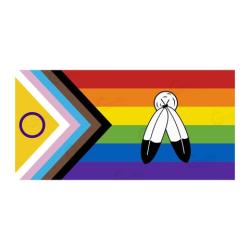
2SLGBTQ+/MOGII
- What is the common ground for the target participants? To provide a safe, supportive, inclusive and welcoming space for all 2SLGBTQ+/MOGII persons
- What structure will you put in place? To place a banner at the top of the room, indicating the purpose of the group. As well, interject intermittently of Group Chat guidelines, referral to other resources (ie Crisis Support, Browse Listeners) as needed.
- How will it be facilitated? I am in the process to reapply for Mod status. However, in the meantime, would facilitate as much as I can, with support from other LGBTQ-friendly Mods, Listeners & Community leaders.
- How will you account for time zones, language differences, and differences in culture if it is a cross-cultural group? Having been on the platform in different time zones, and experiencing differences in that, language differences & cultural difference experiences - I have addressed each occurence with diplomacy, gentle reminders with 7 Cups policy of English on the platform. With language & cultural differences, have approach with asking for clarity questions, if not already volunteered. With having chatted with, supported, persons globally and working with different time zones within those chats, and acknowledging this is a global platform, I have adapted to understand what time zone a member/listener may be communicating from.

@Hope
Question for reflection - Think of one topic you would like to create a group on.
Topic: Self love
Depression support room
What is the common ground for the target participants?
Listeners and members can talk about their past experiences with depression. They can be given the space to reflect on their experiences. They can even learn a thing or more from other members and listeners.
What structure will you put in place?
1. Discussion of challenges they are facing.
2. What are the coping strategies they take to overcome these challenges.
3. They are given the opportunity to identify any limiting beliefs they have.
4. They can take this as an opportunity to reframe these negative beliefs into more positive beliefs and thoughts.
5. People can share what they have learned from each other and also what they have learned from their personal experience.
How will it be facilitated?
Check-in
Reminders
How will you account for time zones, language differences, and differences in culture if it is a cross-cultural group?
Time zones: people can come to the chat room at any time when they are available or free.
Language differences: For people who don't know English, it can be be a disadvantage as they may feel left out.
Differences in culture: People can talk about a thing or more about the things they like about their culture. Food, clothing etc. In this way, people will get the chance to learn from other people.

@Hope
Question for reflection - Think of one topic you would like to create a group on.
I would like to create a group on the topic of Student Support.
1- What is the common ground for the target participants?
The common ground for participants is that they are students. Either in highschool, university or postgraduate.
All students relate to lot of similar things. For example: exam burden, fear of failure, not getting good grades, family pressure, fear of future etc.
So a safe place built by students for students is going to be very helpful as they all will be getting the support they need from people who have lived through the experience.
2- What structure will you put in place?
How will it be facilitated?
I will put students incharge of the place (of course after getting the training) so they can effectively communicate with others in stress and give them the support they need.
3- How will you account for time zones, language differences, and differences in culture if it is a cross-cultural group?
I will choose different mods from different timezones.
About the cross culture, i think almost all the students share somewhat more or less the same problems. Other than that we can share other things in the same group too.
Hi @Hope,
Thank you for this insightful discussion on building effective groups! If I were to create a group, I would focus on the topic of Mindfulness and Emotional Resilience.
- Common Ground: The target participants would be individuals seeking to manage stress, build emotional resilience, and practice mindfulness in their daily lives. The shared interest would be personal growth and mental well-being.
Structure:
- Set clear guidelines for respectful and compassionate communication.
Schedule regular sessions with a mix of guided mindfulness exercises, open sharing, and group discussions.
Create a predictable format (e.g., starting with a grounding exercise, followed by a topic discussion, and ending with reflections).
Facilitation:
- As a facilitator, I would focus on creating a warm and welcoming atmosphere, encouraging participation, and gently guiding the conversation to ensure everyone feels heard.
I’d also incorporate tools like breathing exercises, journaling prompts, and reflective questions to deepen the experience.
Global Awareness:
- To account for time zones, I’d rotate session times to accommodate different regions or offer recordings for those who can’t attend live.
While English would be the primary language, I’d encourage participants to share phrases or concepts in their native languages to foster inclusivity and cultural exchange.
I’d also educate myself on cultural differences to ensure the group remains respectful and sensitive to diverse perspectives.
This group would aim to empower individuals to build resilience and mindfulness practices while fostering a sense of connection and understanding across cultures.

@Hope
Self care/ coping mechanisms
- What is the common ground for the target participants? A place where moderators/ listeners and members gather to discuss things like self care, stressful situations that is leading to the decline in self care, and coping mechanisms.
- What structure will you put in place? Chat room rules to provide a safe place to share thoughts, ideas and games to help find new coping mechanisms/ self care techniques.
- How will it be facilitated? This will be a pop up room where listeners, mods or approved members could facilitate
- How will you account for time zones, language differences, and differences in culture if it is a cross-cultural group? Providing different times to allow other time zones to complete.

@Hope
Topic: Coping with Emotional Dysregulation and Self-Hate in BPD Support Group
Common Ground for Target Participants:
The group is for individuals who identify as having Borderline Personality Disorder (BPD)—particularly those with quiet or internalizing traits—who struggle with emotional dysregulation, self-hatred, and fear of abandonment. They should be looking for a non-judgmental space for mutual support, shared coping strategies, and guided healing.
Structure:
-
Weekly Meetings: 90 minutes via video conferencing (Zoom, Google Meet).
-
Format:
-
15 min check-in
-
20 min topic or skill (e.g., DBT strategy)
-
40 min open discussion/sharing
-
15 min grounding and close-out
-
-
Online Community: Private, moderated *** server for ongoing peer support and resource sharing.
-
Monthly Themes: E.g., “Shame & Self-Forgiveness,” “Emotion Regulation,” “Boundary Setting.”
Facilitation:
-
Trained Peer Facilitators with lived experience of BPD and peer support training.
-
Emphasis on safety, confidentiality, validation, and mutual respect.
-
Use of trauma-informed principles and optional group agreements (e.g., no advice-giving without consent).
Cross-Cultural Considerations:
-
Multiple Meeting Times: Offer two or three meeting slots weekly to suit different time zones (e.g., GMT+0, GMT+8, GMT-5).
-
Language: The primary language is English, but written summaries and key materials are available in several major languages (e.g., Spanish, Arabic, Mandarin) with community-led translations.
-
Cultural Sensitivity: Facilitators trained in cultural humility; discussions welcome cultural influences on emotional expression and identity.
-
Asynchronous Options: Forums or *** threads for those who can’t attend live, with weekly prompts and sharing.
-
-