Skip to main content Skip to bottom nav
Community /

Autism Support Forum

Create a New Thread
Gif Photo Link
Jenna profile picture
The Struggle of Being Autistic and Identifying Emotions
by Jenna
Last post
October 1st
...See more **Disclaimer** I cannot and do not speak for all autistic people. As an autistic person, one of the biggest challenges I face is identifying and understanding my emotions. It’s not that I don’t feel emotions. In fact, I often experience them intensely, but I struggle to recognize and label them. This disconnect between feeling something deeply and not being able to articulate it can be confusing and overwhelming. Sometimes, emotions feel like a wave crashing over me, but I can't tell if it's sadness, anger, or frustration. Other times, I know something is off, but I can’t pinpoint exactly what it is. It's like having a whirlwind of feelings inside but no clear way to describe the storm. I might react to something, and later when I reflect, I realize I was angry or anxious, but in the moment, it was just a blur of overwhelming sensations. The process of identifying emotions can feel even more daunting for many autistic people because there’s often pressure to explain how they're feeling to others, but finding the right words doesn’t come easily. I tend to rely more on physical cues, like noticing if my body is tense, my breathing shallow, or my heart racing, as a way to recognize what I’m feeling. Sometimes it’s easier to express a feeling through a sound, like a sigh or groan, than to find the exact word to describe it. What adds to the challenge is that neurotypical people often expect quick, clear emotional responses. But for many of us with autism or neurodivergence, emotions take time to process. It can feel like we're on a delay, needing space to sit with what’s going on inside before we can understand or talk about it. I’ve had to learn that it’s okay to take that time and not rush to name my emotions if I’m not ready. Being autistic means we process the world differently, and that includes emotions. It’s a journey to understand them, and sometimes, we have to be patient with ourselves, accepting that we don’t always have the answers right away. I’ve learned to explore my emotions through journaling, creating art, or even just sitting with a feeling without trying to label it immediately. The struggle to identify emotions is real, but over time, I’ve come to see it as part of my unique way of experiencing life. For anyone else out there who shares this struggle, know that it’s okay not to have everything figured out all at once. Emotions can be complex, and finding your own way of understanding them is a process. Why Is It Difficult? * Alexithymia: A significant number of autistic people experience alexithymia, a condition where we struggle to identify and describe our own emotions. This doesn’t mean we don’t feel emotions; instead, we find it hard to pinpoint what those emotions are or how they connect to our experiences. For example, someone might feel an overwhelming physical sensation (like a knot in their stomach) but may not realize that they are anxious or upset. * Sensory Overload: Many autistic people experience sensory sensitivities, which can lead to sensory overload. When overwhelmed by stimuli like loud noises, bright lights, or even social environments, the body and mind can react intensely. In these situations, it can be hard to differentiate between physical discomfort and emotional states. For instance, an environment that feels overstimulating may trigger frustration, but the frustration itself might be difficult to separate from the overwhelming sensory input. * Nuanced Emotions: Emotions often come in layers or blends (e.g., feeling both happy and sad at the same time). Identifying these complex emotional states can be challenging for anyone, but for those on the spectrum, this complexity can feel especially confusing. Autistic people might struggle to name nuanced emotions, such as feeling bittersweet, relieved but nervous, or nostalgic. * Social-Emotional Processing: Interpreting others’ emotions can also be difficult, which in turn complicates identifying one's own emotions. Social cues that neurotypical individuals pick up on such as facial expressions, tone of voice, or body language may be harder to interpret for those on the spectrum. This can create a disconnection between what an autistic person feels internally and how they understand the emotional dynamics around them. * Communication Barriers: Language may not always feel like an appropriate tool for expressing emotions. Many autistic people may struggle with verbalizing their feelings, not because they don’t understand them, but because words don’t seem to fully capture the intensity or quality of what they’re experiencing. Non-verbal expressions like sounds, movements, or even art can sometimes be more effective than trying to 'find the right words.' The Emotional Disconnect Because emotions and their physical manifestations may not always align clearly, autistic individuals can experience a sense of emotional disconnect. For instance, they may feel strong emotions but not show them in a way that others expect, leading to misunderstandings in social situations. Conversely, they may appear visibly upset or anxious without being fully aware of the underlying emotional cause. Strategies for Identifying Emotions * Body Awareness: Focusing on physical sensations can be a starting point for identifying emotions. For example, noticing a tightness in the chest may signal stress or anxiety, while a lightness in the body might indicate joy. By tuning into these signals, individuals can begin to make connections between what they feel physically and emotionally. * Emotional Charts or Apps: Visual aids, such as emotion charts or mood-tracking apps, can be helpful for identifying emotions. These break down emotions into basic categories, making it easier to recognize patterns and link feelings to specific experiences. * Routine Emotional Check-ins: Scheduling regular emotional check-ins throughout the day can help build emotional awareness. Asking questions like, “How do I feel right now?” and “What might have caused this feeling?” can develop a habit of reflection, helping us recognize emotions more readily over time. * Creative Expression: Art, music, or other creative outlets can be powerful ways to express emotions when words aren’t enough. Drawing how an emotion feels, playing a musical piece that reflects a mood, or even writing poetry can offer alternative avenues for emotional understanding and communication. * Seeking Support: Working with a therapist or counselor experienced in autism can also provide valuable insights. These professionals can guide us through recognizing our emotions and offering techniques and frameworks that are tailored to our specific needs and experiences. Being autistic doesn’t mean someone is emotionless or lacks empathy; rather, it means their emotional landscape might operate differently. By acknowledging these challenges and providing supportive tools and strategies, we can foster greater emotional self-awareness and communication for autistic people. With understanding, patience, and compassion, we can help create a space where identifying and expressing emotions feels safe and achievable.
Heather225 profile picture
Celebrating Neurodiversity: Autism Acceptance Month (2026)
by Heather225
Last post
August 31st
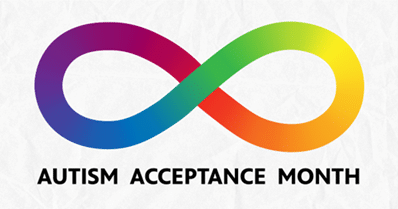
...See more April is Autism Acceptance Month, and we want to take a moment to celebrate the neurodiversity within our community, both as members and volunteers.  This is an open floor to share, learn, and connect. Answer either of these prompts: * If you are neurodivergent, what is a unique strength or perspective you feel it brings to your volunteering, be it as a listener or in a leadership role here on 7 Cups? * What is a misconception about autism or neurodiversity that you wish more people understood? Bonus: drop a resource, article, or creator that has helped you feel seen or learn more!
tommy profile picture
Autism Automated Taglist!
by tommy
Last post
June 4th
...See more Welcome to the Autism Taglist This thread is an auto-updating list. The list is regularly updated by forum leaders and can be found below. Having issues? Reply below and someone will help you! Why should I join the taglist? ✔ Never miss out on sub-community check-ins, discussions or events ✔ Get tagged and notified by community leaders whenever a new relevant thread has been posted ✔ Become a more active member of the community. What do I need to do? ✅ To add yourself to this taglist, press the Post to Thread button below and write the exact words Please add me. ❌ To remove yourself from this taglist, press the Post to Thread button below and write the exact words Please remove me. ------------------------- Current taglist as of 29 Dec (updated by tommy) @Alwayshungry983 @AutiBoy @azuladragon34 @beck1 @courteousCoconut2519 @Fozziewozzie @GwydionRowan @HarmonyBlossom @HatsEatYou @Howegeorgia @Jenna @JovianPlutonian @JustMeUwU @llemonz @LoveMyMoonflowers @NeurospicyGirl @NightOwl2003 @pineapple7722 @Plantsaremybestfriends @RainbowRosie @sentientape @silentbuster26 @SillyBlue32 @SleepyShyCat @smolLITTLEpotato @softParadise5949 @Stasia86 @StressedGirl @SunnyCat0 @teenytinyturtle @theboymoana @tommy @Trosclair03 @Twigo7 @unassumingPeach6421 @Vivikun9 @wishfulWillow6962 @Zahrian2112
TeaIsDelicious profile picture
How to get a diagnosis? (Preferably that I could afford and have without my parents being involved)
by TeaIsDelicious
Last post
3 hours ago
...See more I’m not diagnosed with autism, my parents believe I have it, and I have shown signs through the years of having it, however, my parents don’t want me taking the assessment because they don’t want me labeled. My argument to this is that if I have it I would be able to accommodate for it, they still don’t exactly care. Right now, my plan is to try and get the assessment when I’m 18 and moved out, since they said they’re fine with me doing that since I’d be an adult, however, I have heard that people who try and get the assessment that are older are less likely to get a diagnosis even if they have it just because of the assessors and stuff. My question is: Should I try and ask them more for that assessment? (I know if I push hard enough they’ll let me get it) Or Is there anyway to get an assessment online or without insurance? Or Would I just be fine waiting until I’m 18? Either way, I’ll be fine with or without the diagnosis, I’d rather know I don’t have it than have it and not know. Any advice is welcome!
creativeBlueberry7991 profile picture
Got my diagnosis
by creativeBlueberry7991
Last post
1 day ago
...See more Late-diagnosed autistic female. I’ve waited 5 months for my assessment report, it just came out and diagnosed me with level 2 autism. I kind of always thought that I would be level 1… so this caught me unexpected. I’ve been waiting for so long, so that at first I was really excited about the diagnosis, but then hours later I started to feel empty and uncertain about the future, like “now what should I do”. Nothing has really changed right now, I still live my everyday life. And now I need to start to think about more changes/adjustments… even though they’re in the future, they still feel really stressful to me. I guess it’s kind of like entering a new phase of life? Where things are going to get different and you know it will, but right now everything is still the same. Just feeling a bit empty after months of waiting for this…
HatsEatYou profile picture
Food Aversion
by HatsEatYou
Last post
2 days ago
...See more Recently some stressful things in my life have triggered some major food aversion. Not sure how much is related to my autism or not but I figure its probably somewhat related. Basically wondering if anyone has tips, because at this point anything could be useful. I have basically starved for two days because I cant get past the repulsive thought of putting food in my mouth. Its like im going back to day one figuring out what is safe to eat. So far hot chocolate has been the only reliable thing I have managed to consume. It's not sustainable. I can make myself take two or three bites of random things but then major ick stops me even while I am starving. In the past I've had some regular things I can't/won't eat, but nothing like this. It's like someone suddenly updated my brain and put all food into a new inedible category. If anyone has experienced something like this and has advice for moving past it or anything I would be so grateful.
frutigerLadybug7704 profile picture
Too much on my plate for a single morning.
by frutigerLadybug7704
Last post
Tuesday
...See more I often wake up, not really that well rested, do some stretching and/or exercise, and play some videogames while I wait for my day volunteering to start. But today, it became way too much for me to handle. * I woke up groggy, with my body numb from sleeping too much in a single position. I'm already someone who's fully conscious even when asleep... * I didn't warm up for my exercise session; alas, I still did a lengthy cooldown. Even then, it feels stiff and incapable of waking up properly. * I just found out that I completely missed the pre-registration for my social service, which I did end up beginning beforehand; I knew I had to wake up my coordinator (I'm certain she wakes up super-early like I do) and tell her about this. I have no access to the documents and don't even know my tutor's name. Spent the whole career not knowing who they are. (given this is something we can solve, even my coordinator let out an 'OMG') * Parents just came home yesterday, and they'll take a while to adapt to their usual schedules. Still, there is something lighter to this; checking my emails, my Pomni Animatez Pendantz (single box) started its journey home. I want the Beach design, but I'm not picky. I just know that she'll make my wait for the TADC art book (hardcover with the bookmark and stickers!) a little lighter. Suffice to say that I have another Pendantz in the queue, namely [Serial Designation)] N. I don't even know if I'll be capable of pushing through today without breaking down. I already logged off early yesterday because I was overwhelmed with an ending I got for Neo Cab (2019)...
animalsarecute45 profile picture
Not sure if autistic especially as an adult woman
by animalsarecute45
Last post
Sunday
...See more I don't know if I'm autistic yet especially as an adult woman, in which finding good resources is hard to find but I'm trying but I feel so lonely especially while navigating OCD and recent late diagnosed ADHD.
BunFromThe90s profile picture
Does anyone else feel this way?
by BunFromThe90s
Last post
Sunday
...See more Hi, I'm new to 7 Cups. I'm autistic and I recently experienced two massively traumatic events in my life that have made me isolate and I'm 100% afraid of people and connection. I need to make that disclaimer before moving forward with any conversation here whatsoever. However, I'm tired of feeling miserable- so I joined this website to try and combat it. I used to be proud of being autistic- like it was something to embrace and love about myself, but now I hate it and hate that I was born this way. If I wasn't autistic, I feel like 95% of my life would be 10 times better, but it isn't. This is the hand I was dealt, and I can't do anything with it. And yet, over and over, I'm punished for it. I had the gut-wrenching realization that most if not all of my problems in life have stemmed from being autistic. I don't understand social cues, I beg for basic communication and am often denied it, I've been bullied out of spaces over assumptions and conjecture because people won't just talk to me or tell me what I've done wrong/to upset them, and I feel entirely alone in this messed up world. I feel utterly hated as a human being, as well as subhuman and have zero self-esteem after how I have been treated by people around me, and I feel like I don't have a chance to find happiness in life. Compound that with being marginalized in multiple ways and I have been wishing for something better for longer than I can remember. The worst part is I feel like a helpless child trapped in an adult's body and I do not know what to do about it. No matter how many times I tell people my communication needs, I'm let down, or worse, met with animosity or violence. I've told people that they need to spell things out for me because my brain is wired differently. No matter how much I plead to be treated like a human being, it hasn't happened. I don't think it ever has. Anyone else? Or am I alone in this too? Before you ask or try to give me advice: Please understand that I am disabled, low income, don't have access to many things due to living in the USA. I'm unfortunately one of those people who are at the behest of a system that would rather see me gone than give me the care I need, and that's... rough, to be honest. I just want to be heard, know I'm not alone, and there's more to life than what I've dealt with.
Angel628 profile picture
Ranting & lack of belonging
by Angel628
Last post
October 2nd
...See more I don’t know why but whenever I go out in public I always feel like that I don’t belong like I’m just inconveniencing somebody by just being there, I know that in the grand scheme of things that People don’t care about me being there And I the same but still I can’t help but get these thoughts that I’m not supposed to be here. That I just should hide somewhere and never come out. and it hurts feeling like you don’t have a place in the world and feeling like you’re constantly doubting yourself.
brenbird profile picture
I cant do it anymore, its so tiring
by brenbird
Last post
October 2nd
...See more Its so tiring. I hate my biology teacher. She reminds me of my father. Its not good for my mental health. She also talks so loudly and sometimes I cant understand her. Like shes so loud that not even wearing my loops and covering my ears and pressing them in gets close to canceling her out. She'll also give us something to do and tell us to start working on it but then keep talking and talking and not shut up.  In my spanish class, my teacher is the same as biology. Shes so loud and rude. She also loves to complain and whine. She wont let us start working on something until she tells us what to do for each. individual. dam. question.  I cant do this anymore. I have like 10 more weeks with them. Its too much and its hurting me.
Jenna profile picture
The Struggle of Being Autistic and Identifying Emotions
by Jenna
Last post
October 1st
...See more **Disclaimer** I cannot and do not speak for all autistic people. As an autistic person, one of the biggest challenges I face is identifying and understanding my emotions. It’s not that I don’t feel emotions. In fact, I often experience them intensely, but I struggle to recognize and label them. This disconnect between feeling something deeply and not being able to articulate it can be confusing and overwhelming. Sometimes, emotions feel like a wave crashing over me, but I can't tell if it's sadness, anger, or frustration. Other times, I know something is off, but I can’t pinpoint exactly what it is. It's like having a whirlwind of feelings inside but no clear way to describe the storm. I might react to something, and later when I reflect, I realize I was angry or anxious, but in the moment, it was just a blur of overwhelming sensations. The process of identifying emotions can feel even more daunting for many autistic people because there’s often pressure to explain how they're feeling to others, but finding the right words doesn’t come easily. I tend to rely more on physical cues, like noticing if my body is tense, my breathing shallow, or my heart racing, as a way to recognize what I’m feeling. Sometimes it’s easier to express a feeling through a sound, like a sigh or groan, than to find the exact word to describe it. What adds to the challenge is that neurotypical people often expect quick, clear emotional responses. But for many of us with autism or neurodivergence, emotions take time to process. It can feel like we're on a delay, needing space to sit with what’s going on inside before we can understand or talk about it. I’ve had to learn that it’s okay to take that time and not rush to name my emotions if I’m not ready. Being autistic means we process the world differently, and that includes emotions. It’s a journey to understand them, and sometimes, we have to be patient with ourselves, accepting that we don’t always have the answers right away. I’ve learned to explore my emotions through journaling, creating art, or even just sitting with a feeling without trying to label it immediately. The struggle to identify emotions is real, but over time, I’ve come to see it as part of my unique way of experiencing life. For anyone else out there who shares this struggle, know that it’s okay not to have everything figured out all at once. Emotions can be complex, and finding your own way of understanding them is a process. Why Is It Difficult? * Alexithymia: A significant number of autistic people experience alexithymia, a condition where we struggle to identify and describe our own emotions. This doesn’t mean we don’t feel emotions; instead, we find it hard to pinpoint what those emotions are or how they connect to our experiences. For example, someone might feel an overwhelming physical sensation (like a knot in their stomach) but may not realize that they are anxious or upset. * Sensory Overload: Many autistic people experience sensory sensitivities, which can lead to sensory overload. When overwhelmed by stimuli like loud noises, bright lights, or even social environments, the body and mind can react intensely. In these situations, it can be hard to differentiate between physical discomfort and emotional states. For instance, an environment that feels overstimulating may trigger frustration, but the frustration itself might be difficult to separate from the overwhelming sensory input. * Nuanced Emotions: Emotions often come in layers or blends (e.g., feeling both happy and sad at the same time). Identifying these complex emotional states can be challenging for anyone, but for those on the spectrum, this complexity can feel especially confusing. Autistic people might struggle to name nuanced emotions, such as feeling bittersweet, relieved but nervous, or nostalgic. * Social-Emotional Processing: Interpreting others’ emotions can also be difficult, which in turn complicates identifying one's own emotions. Social cues that neurotypical individuals pick up on such as facial expressions, tone of voice, or body language may be harder to interpret for those on the spectrum. This can create a disconnection between what an autistic person feels internally and how they understand the emotional dynamics around them. * Communication Barriers: Language may not always feel like an appropriate tool for expressing emotions. Many autistic people may struggle with verbalizing their feelings, not because they don’t understand them, but because words don’t seem to fully capture the intensity or quality of what they’re experiencing. Non-verbal expressions like sounds, movements, or even art can sometimes be more effective than trying to 'find the right words.' The Emotional Disconnect Because emotions and their physical manifestations may not always align clearly, autistic individuals can experience a sense of emotional disconnect. For instance, they may feel strong emotions but not show them in a way that others expect, leading to misunderstandings in social situations. Conversely, they may appear visibly upset or anxious without being fully aware of the underlying emotional cause. Strategies for Identifying Emotions * Body Awareness: Focusing on physical sensations can be a starting point for identifying emotions. For example, noticing a tightness in the chest may signal stress or anxiety, while a lightness in the body might indicate joy. By tuning into these signals, individuals can begin to make connections between what they feel physically and emotionally. * Emotional Charts or Apps: Visual aids, such as emotion charts or mood-tracking apps, can be helpful for identifying emotions. These break down emotions into basic categories, making it easier to recognize patterns and link feelings to specific experiences. * Routine Emotional Check-ins: Scheduling regular emotional check-ins throughout the day can help build emotional awareness. Asking questions like, “How do I feel right now?” and “What might have caused this feeling?” can develop a habit of reflection, helping us recognize emotions more readily over time. * Creative Expression: Art, music, or other creative outlets can be powerful ways to express emotions when words aren’t enough. Drawing how an emotion feels, playing a musical piece that reflects a mood, or even writing poetry can offer alternative avenues for emotional understanding and communication. * Seeking Support: Working with a therapist or counselor experienced in autism can also provide valuable insights. These professionals can guide us through recognizing our emotions and offering techniques and frameworks that are tailored to our specific needs and experiences. Being autistic doesn’t mean someone is emotionless or lacks empathy; rather, it means their emotional landscape might operate differently. By acknowledging these challenges and providing supportive tools and strategies, we can foster greater emotional self-awareness and communication for autistic people. With understanding, patience, and compassion, we can help create a space where identifying and expressing emotions feels safe and achievable.
brenbird profile picture
Idk what to title this but help tw: sh
by brenbird
Last post
September 29th
...See more I have a class in school, Spanish 2. Last year in Spanish 1, my teacher was retiring and I had her during the last semester of the school year. She thought she could just chill and not teach us. So, this year in Spanish 2, I don't know anything. That makes me fed up with myself and angry as well. My teacher this year has a voice and I know what people are going to say "That's rude" or "You can't say that" or idk, but I really cannot stand her voice. I hate it so much. She says certain words and it bothers my noice issues. She loves to whine to us. Like with such a whiney voice she sounds like a toddler. She also doesn't let us use the bathroom if shes doing notes, EVEN IF THEY'RE ALL WRITTEN ON THE BOARD AND REALLY SHORT, can't use it after you finish your work, really, you can't go to the bathroom in her class unless you're bleeding or dying. My autism gets so bad in this class, and makes it even more difficult than public places and school is for me. She and her class makes me want to self harm. I'm almost 5 months clean and that's the longest I've ever been. I've made promises to myself, my boyfriend, and my mom. I also know that if I cut now, I won't be able to stop again and I'll keep going and going and going and going and I'll hurt other people and ruin trust and even though my boyfriend says its ok as long as I own up to it, I don't want to hurt him. I really ****ing hate this god dam* class so much. 
Hammyjam profile picture
Good newa
by Hammyjam
Last post
September 29th
...See more My teachers completely understood and are willing to make accommodations for me. (Idk how to spell lol) They offered to change my class seats and even Don't force me into bug groups for projects to avoid me getting over whelmed. But now I feel bad like I asked for stuff just to avoid harder work :(
amusingSpruce5363 profile picture
Can autism affect dating life?
by amusingSpruce5363
Last post
September 27th
...See more I feel so off... I am easily manipulated or tormented out of being with someone I like/love. And also, I don't know. I've just been struggling with dates

Autism All blue and underlined text is clickable


Welcome to Autism! This is a safe, supportive and inclusive space for you to discuss everything and anything related to Autism. Our main goal is to support everyone that stops by and make this sub community one that is inclusive! 


What are the different forum topics for Autism?

Community Space: A place for icebreakers, introductions, discussions and community check-ins.

Discussions & Resources: Want to get involved in the latest discussions? Find them here!

Living with Autism: Do you live with autism? Talk about your experiences here.


How can I help?

You can help us by simply responding to threads and sharing your story (if you're comfortable). Check-in with us, join a discussion, or start one! Alternatively, you can join us as a Forum Leader. Check out this thread for more information.


Helpful Threads

Taglist: Do you want to stay up to date with our community? Then join our tag list to be notified whenever there is a new discussion or update within the community!


Help! I still have a question!

If you need help, feel free to contact a community leader or post here, and someone will contact you!


Autism FAQ

Are there any sub-community-specific guidelines that we need to adhere to?

You can find Sub-community-specific guidelines below, which you should follow in addition to the general forum guidelines.


Is this sub community just for people who have been diagnosed with Autism?

Nope! Everyone is welcome here! Whether you have been diagnosed or not, feel free to come pull up a chair and join us! This space is inclusive and no matter your story, we would love for you to be here 


How do I navigate the sub-community?

You can find a handy guide here on how to find your way around our forum. 


I have another question…

We love questions! You can ask your questions in this thread and someone will respond to you as soon as possible.

Community Resources