*TRIGGER WARNING* - DID/OSDD Alter types/roles explained
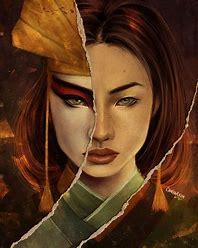
DID/OSDD different alter roles within a system.
*please read with caution as some parts might be triggering*
Maybe you have come across a DID/OSDD system on 7cups or you may know someone with DID/OSDD in your personal life, you may wonder what kind of alters are in a DID/OSDD system. To answer that question I will share some common and uncommon alter types/roles down below and explain their roles within the system.
Within a system there can also be a sub system (a second system with different alters, often the alters don’t know about the other sub system) and sub alters.
Let first start with a list on common and uncommon alter types:
Common
-Host
-Child alters (littles, middles, teens)
-Self helpers
-Persecutors
-Protectors
-Sexual alters
-Suicidal alters
-Trauma holders
-Twin alters
Uncommon
-Animal alters
-Baby/infant alters
-Caretakers
-Demon, demonic alters
-Fragments
-Non human alters
-Shell
-Spirit, ghost or supernatural alters
-Sub parts
Down below I will explain/elaborate each alter in alphabetical order.
Animal alter: Abused children may develop animal parts/alters because they identify with animals and consider them friends. Animal parts may be able to express emotions that the host can"t. Animals like tigers may function as protectors, growling when the host is distressed. Alters may also become to believe they are animals because abusers either told them they were or treated them like animals, e.g., dog alters. Animal alters may also be created if the person was forced to harm others, as a way of containing the guilt of having to act in a way which feels more violent and animal than human.
Baby/infant alter: These alters are pre-verbal (cannot yet express themselves with words). They may remain the same age, or grow older in age and begin to take on more responsibilities. Their trauma memories consist primarily of emotions and bodily sensations.
Caretaker: Caretaking alters are a type of a protector, they help manage and care for other alters, and sometimes external people (for example children). They are often motherly, and may be modeled on a real person. Caretaking alters lack awareness of self-care and become exhausted easy; they only have a limited role and have little capacity for play, exploration or socialising.
Dead alter: Usually this is an alter hidden from the rest of the system, often in a memory of a trauma in which they felt they were being killed. The child who survives a near-death experience may develop a "dead alter" to contain this experience. Alters can’t really die or be killed since the persons brain is still alive, their feelings will still leak through into other alters. "Dead" alters can be revived.
Demon, demonic alter: Demon and demonic alters are a type of spirit and supernatural alter but are not actually supernatural beings and may result from spiritual abuse and an abuser who blames the child for the abuse.
Disabled alter: Alters may be disabled when the body is not, for example a blind or mute alter may be created in response to abusers instructions, e.g. "Don't talk", "You didn't see anything". These alters can regain their sight or hearing, for example, after working through the memories that caused their disabilities.
Fragments: Some alters are very limited in their role, for example they may only have a small number of emotions, hold particular isolated memories or have a very limited job. These 'partial' alters are sometimes known as fragments. Fragments can either have a range of emotions but only a limited life history, or a more substantial life history but be unable to feel a range of emotions (for example, always sad, either angry or fearful). Special purpose fragments are even more limited, for example existing to carry out a very limited role and never acting beyond that. Memory fragments hold a very limited knowledge of an event, and only experiencing very limited emotions. Several fragments together may hold a single event.
Gatekeeper: This type of alter has the job of keeping traumatised alters from appearing. They may also hold back memories or control which alters can take control of the body, and when.
Host: The personality part/alter that has executive control of the body for the greatest percentage of time during a given time period. A person with DID/OSDD will have more than one host over their lifetime.
Insider: This term covers many different kinds of alter who are not primarily responsible for everyday life, they often hold trauma memories. They often have been so separated from everyday life that they are unaware of the years that have passed and do not know that the body have physically grown up.
Internal self helper: These alters are helper parts. They have extensive understanding of different alters and how they work together, and often help by explaining things to the therapist.
Introject: These alters may believe that they are another person entirely, such as an abuser or a close relative. They have the characteristics of another person, for example a paternal introject with the behaviours and views of a person's abusive father. Introjects which are mimicking abusers are trying to "keep you in line" in order to protect you from external abusers.
Child alters: There can be many littles or children within a single system. Unlike biological children, they can usually understand very complex concepts. They commonly speak and act like children. They can be a version of the host as a child, the child that was wanted, or just a trauma-free version of the host.
Non human alter: Alters are the result of severe dissociation; they are "constructed by the 'logic' of dream or trance", and can be strongly influenced by a person's culture. As a result, they can take any form; some alters may not view themselves as human, and may either feel (or fully believe) that they are not part of a human being. They may view themselves as having a different physical form (or no physical form at all, for example a spiritual being), this is recognised within the DSM-5's description of DID/OSDD. Prolonged and severe interpersonal trauma can leave a person feeling "no longer human", and has been reported in people with Complex PTSD for example as a result of being a prisoner in a concentration camp, or severe child abuse. Given the trauma history of the vast majority of people with Dissociative Identity Disorder and OSDD it is unsurprising that parts of the mind may have taken on a nonhuman identity. Some examples include alters that identify as animals, demonic or 'evil' alters, spirits, ghosts or spiritual beings, mythical figures.
Object alter: Alters which identify as inanimate objects are a type of nonhuman alter, for example a tree. Alters can also be hidden inside animate objects, for example inside natural-looking structures in the inner world, e.g., mountains, trees, lakes or rivers.
Persecutor: A common type of alter, often acts in a harmful way but there is a protective logic behind a persecutor's actions. Persecutors often have a distorted view of reality, and may disrupt therapy or intentionally injure the person's body, for example to punish child alters for disclosing abuse that has been kept secret. All alters should be treated with equal kindness, despite their behaviours, and persecutors are often seen as "misguided protectors" which can be negotiated with. Some persecutors may threaten to "kill off" the host and appear to have no positive or protective intentions, however these can still be engaged with. Some persecutors may be introjects of abusers.
Protector: Protector alters are common, there are three main types: fight parts, persecutors and caretakers. The 'fight' parts and persecutors are types of emotional parts which have defensive intentions, despite their often self-destructive behaviours such as self injury or eating disorder behaviours. The term fight does not necessarily refer to violence, but to the fight reaction present in PTSD, which often involves verbal aggression. Protector alters try to manage rage and anger, and avoid feelings of hurt, fear or shame. They focus on perceived threats, and find dependence, emotional needs and close relationships (attachment) threatening. Protectors may view themselves as a very tough child or teenager, a powerful animal, or a physically strong, adult male. They can act internally, or show external hostility, e.g., telling a therapist that other alters don't need them and warning the therapist to leave them all alone. "acting out" may be directed at a therapist or others close to the person; the host may have no behavioural control or memory of it. However, the "whole person" (all alters collectively) should still be held responsible for the behaviour of all parts. A protector may follow an alter that is "needy and searching desperately for attachment" in order to protect it.
Psychotic alter: Some alters have psychosis or psychotic symptoms. However, many symptoms which appear psychotic are not. For example, visual flashbacks may be mistaken for hallucinations, and strange body sensations (body memories) which are physical flashbacks of past trauma can be mistaken for tactile hallucinations. Hearing "voices" is a common experience in people with DID/OSDD, the "voices" are alters trying to talk, and occasionally may come from outside the person's head rather than inside, which is more common. "Thought snatching" (taking away your thoughts) can be caused by the actions of alters. Beliefs caused by trauma can be mistaken for paranoia, for example a person may be told that a "bug" has been implanted by abusers to record any disclosures they make. Working through the memory of the trauma will resolve the paranoia that it caused.
Robot alter: Alters who believe they are robots or machines, and have no understanding of emotions, have been reported in survivors of ritual abuse. These alters were told they were robots or machines, and were not allowed to feel any emotions, were trained to follow instructions and not to think, and may have been made to believe that they cannot move. Robot and machine parts are actually part of a person, and can be helped to feel more human, and to learn how to think for themselves, rather than just responding to the instructions past abusers gave.
Sexual alter: Sexual alters may be created to handle sexual abuse and assault, and to keep that knowledge away from other parts. One alter or group of alters may handle sexual abuse from men or boys, while others are created to handle sexual abuse and assaults from women or girls.
Shell: A shell alter is a host alter which handles daily life and is designed to hide the existence of other alters from the outside world. Shell alters do not exist in DID, they only exist in one form of OSDD. The host is a shell through whom the inside parts/alters act. The inside parts can come near the surface, temporarily blending with the host. The inner parts are not regarded as separate, distinct states although amnesia may exist between them. If OSDD is caused by ritual abuse and mind control, the shell alter is not supposed to know about the others.
Spirit alter: These types of alters are referred to directly in the DSM-5 diagnostic manual, underneath the diagnostic criteria for Dissociative Identity Disorder. Some people have alters which are all spirits, ghosts or supernatural beings such as angels or genies. These are regarded as possession-form identities, if a person is consciously aware of the actions of the alter then the person may describe themselves as feeling "possessed" by an outside person, spirit, god, demon, or a "ghost", for example of a person known to them who has died. Possession-form alters are not part of normal cultural possession experiences, they are involuntary, recurrent and distressing. Animal alters are also common in this form of dissociation. People can also have one or more of this type of alter along with other types, for example child alters or protectors.
Sub part: An alter may have another dissociated part inside, which has a different role or function.
Suicidal alter: A common type of alter. If someone with DID or OSDD is suddenly suicidal, this may be due to the influence of a suicidal alter, although the host themselves may be feeling suicidal. According to the DSM-5 psychiatric manual, over 70% of out-patients with DID attempt suicide and multiple attempts are common. Amnesia can make it difficult to assess the suicide risk, and there may be amnesia for a suicide attempt. Some alters may be unaware that they share the same body as the host, and believe that killing off the host or others will not harm them; this increases the suicide risk further.
Teen: Teenaged or adolescent alters may occur in people who had significant trauma during those years, or they may be child alters who have grown older.
Trauma holders: Their job is to protect the host from any trauma that they can. Oftentimes, even taking the place so they experience the trauma instead. They try to manage feelings of anger and shame. Often being stuck in the sensory experience of the memory and unaware of the passage of time.
Twin alter: Twin alters are two alters of the same age who are normally opposites of each other in views and behaviours. Twin child alters are common, for example one may love the abuser, be eager to please and have only positive views towards him/her, and another may hold angry and rejecting views towards the abuser.

Goodness this is such a helpful thread, @HealTheHealer ! Your time and efforts are super duper appreciated 😊❤
@HealTheHealer This is an awesome post. Thank for the time and effort that you put into it :)

@HealTheHealer
Thank you for explaining them so well

@HealTheHealer This is an amazing post, Heal! I learned so much from the detailed explanations you gave, thank you for your contribution to the community <33
Thank you for this thread! It was really useful to better understand how alters can be and the roles they can play
@HelaHeals
Thank you for explaining the difference roles of alters, I am trying to learn more about DID and I found this really helpful!
@Smilybeans
That's awesome, Smily! Having more listeners around with DID/OSDD knowledge is very helpful and much appreciated :) <3
This is such a helpful post. I am so glad to have joined this community.

@HelaHeals
You are so awesome, thank you for your time and patience. I have a much better understanding of alters in a system now❤️