Skip to main content Skip to bottom nav
Community /

Disability Support Forum

Create a New Thread
Gif Photo Link
ScrabbleBrain profile picture
Things you wish weren't said or assumed about your health conditions (seen or invisible)
by ScrabbleBrain
Last post
August 30th
...See more Inspired by @Jesusredeemedme2425 because she always makes varied and interesting topic discussions :) 1. For some of us, we can't just pop a painkiller and have the pain, symptoms or discomfort magically washed away, those don't work for me. That's why I personally choose natural remedies, like heat and rest and binaural beats. 2. Why don't you take my word for it, that I can't manage that action because it aggravates my body or mind and leaves me broken in pieces for a long time.. You make me do something and after that I can barely function, then your response... Oh sorry, I assumed you were exaggerating because you don't look sick to me.. 3. Oh just smile and carry on, there's nothing you can do about it, so might as well be happy.. Nope sometimes I want to wallow and be miserable that is all too much, accept my mood, yours can be whatever you want! 4. Why don't you join us? Because it's a long taxing journey or activity and I cannot manage it. I'm not being difficult or dramatic. I have to think carefully if there are places to sit and rest, how long it takes, will I be standing or walking for a long time, you may not have consider these things but I do! 5. Stop judging a book by it's cover Yes I may look younger, I may look healthy, I may walk un-aided, that still doesn't mean you get to judge or assume I am not struggling inside or desperately grabbing onto walls or trying to give myself the mental fortitude to take another step instead of collapsing or resting because this time I don't think I can make it home.. 6. Illnesses vary from one person to the next, yours could be textbook, mine are not. Just because something works for you, doesn't mean it will for me. Stop assuming you know my body, my health better than I do. You've read something? Good for you, I know what works and what doesn't! 7. When I say, I can't manage much. It's extremely taxing to go to more than one place/do more than one activity, let alone several.. Don't scoff and laugh, like I'm being a Princess. I physically cannot manage it, it's not an exaggeration. 8. Stop being lazy! This one makes me scream. Taking care of myself, limiting my movements, napping or getting a lot of rest, helps my body repair itself. I'm not doing nothing, I'm preventing a potential strain or injury that has become all too frequent for me.
MistyMagic profile picture
Don't Turn Your Back!
by MistyMagic
Last post
August 30th
...See more Don't Turn Your Back! It can be hard sometimes to know how to act, What to do, What to say, When we see someone in a wheelchair, On crutches, Or with other visible disabilities. I know I used to feel like that, Until I was actually in a wheelchair. I am the same person, But I get treated differently now. I still have the same smile, But others don't. We are people too!  Real people, With real feelings, With real emotions. We sometimes get stuck on ramps, or steps, or in the sand, Even in doorways! So don’t turn your back, Say hello,  Smile, Don’t turn away!
CaringBrit profile picture
2026 - Taglist Disability Support
by CaringBrit
Last post
March 30th
...See more This thread controls an auto-updating tag list. To see the current list, go to Disability Support [https://rarelycharlie.github.io/taglist?3ec913e645043cdcd31f94a3324ab37c]. To add yourself to this tag list, press the Post to Thread button above and write the exact words Please add me. To remove yourself from this tag list, press the Post to Thread button above and write the exact words, Please remove me. This Taglist will be used for the Daily Check-Ins could even be used for Events etc. What happens after you join the tag list? You will notice an icon for a little bell up in the right corner of your screen. there is a letter icon, then the bell, then a jar, and then the icon for your account. That bell will tell you about your notifications. When we tag you, it will show up as a number on the bell. Click on the bell and a drop-down menu will appear and it will show you the link to the post where we tagged you. Current taglist as at January 1st 2026 @777Bre777 @adaptableOcean4193 @adaptablePomegranate1587 @adequatelyInadequate @adventurousBranch3786 @AffyAvo @agreeableTurtle1021 @AguaNector6700 amazingFlamingo2054 @amusingTalker1267 @Aqua1494 @Arsalanahmed @Ashleylovescats @AttentiveEar @audienta @AutiBoy @Averayne93 @azuladragon34 @BacktotheTrail @BeyondTheInvisible @BlindGrapefruit @blissfulTouch29 @Bndonovan02 @bouncyBreeze44 @bouncyVoice4149 @Breezy2013 @cal1860 @CheeryPotato @CheerySandi @ChildGoddessFlute @Chloe1644 @cinnamoncocoa @CocoaCassie @Colorfulcatsofhope @communicativePond1728 @CompassionateMoon4024 @considerateBunny7436 @Countrygirl095 @crystallizedrequiem @Daisy7cups @Daydreammemories @DichotomousDetia @disneymoonlight @Disneywoman @DoISayIt @DonaldK @DylanMark @Edobre399 @Emiliako @emotionalTalker2260 @enigmaticOcean8813 @enthusiasticOwl866 @enthusiasticTortoise6681 @fairmindedWater1140 @Fireskye13 @FrenchMarbles @friendlyEars8792 @goldenSpruce1512 @greekcatperson @IcedCoffee211109 @IndigoWhisper @InfiniteThoughts2k19 @Jamesjones10123 @Jewels012222 @jovialButterfly6752 @JoyfulUnicorn @JoyIntoDarkness @JustLikeMellie @K87 @kenzixo @killaj0ule @Kittibear @KuhnDisabled101 @kwheelz @lightTriangle7748 @LikeABirdWithoutWings @lovelycoacoa @lovelySun2900 @LoveMyRotty @magnifiedfaith @ManinblacK @MartianGirl347 @MeaningfulSilence @Meowsicle @MistyMagic @mnhtx3 @modestHickory2783 @modestOcean1286 @moosprbrk @MyNameIsNicole @NaomiR @nessdamess @NevaehRose @norasnook @NotKhan2 @Ofenkartoffel @OneErased @PerfectHarmony10 @philosophicalAcai7803 @PhilosophicalWillow1426 @pinkbunnywabbit @Pixiechu @placidMoth @Plantsaremybestfriends @Poppia @PotFullOfSky2020 @rainbowVibes @Raysofsunshineandrainbow2005 @Reachforthestars00 @redGrapes1822 @Redheadmadeofglitter94 @repen13 @reservedCat9143 @reservedOwl6476 @RiggsMortis @Rose1324 @sabeyesofblue3535 @Seachele @SereneEnergy9119 @SmolBurrahobbit12 @Smolperidotsbreakdown  @SparklyCat @specialPurple1582 @StarsOrchidsOwls @stuffiessytem @sunshinegiraffe123 @tearstruck @theboymoana @TimidBear @TomatoEmi @turquoiseHemlock900 @u2canwin @wahmbrenda @Walker7957 @WeedyGarden @WishUponAStar968 @wonderfulRainbow817 @xandia @xxParkerxx @Zed786 Updated by MistyMagic
MistyMagic profile picture
Don't Turn Your Back!
by MistyMagic
Last post
August 30th
...See more Don't Turn Your Back! It can be hard sometimes to know how to act, What to do, What to say, When we see someone in a wheelchair, On crutches, Or with other visible disabilities. I know I used to feel like that, Until I was actually in a wheelchair. I am the same person, But I get treated differently now. I still have the same smile, But others don't. We are people too!  Real people, With real feelings, With real emotions. We sometimes get stuck on ramps, or steps, or in the sand, Even in doorways! So don’t turn your back, Say hello,  Smile, Don’t turn away!
JoyfulUnicorn profile picture
Fibromyalgia is Real
by JoyfulUnicorn
Last post
June 29th
...See more I myself am a sufferer of fibromyalgia and there are many misconceptions about the illness. I have collected a load of information to creative an informative post about the illness which will hopefully help create awareness and understanding <3 Fibromyalgia, also called fibromyalgia syndrome (FMS), is a long-term condition that causes pain all over the body. Symptoms of fibromyalgia - widespread pain - increased sensitivity to pain - extreme tiredness (fatigue) - muscle stiffness - difficulty sleeping - problems with mental processes (known as "fibro-fog"), such as problems with memory and concentration - headaches - irritable bowel syndrome (IBS), a digestive condition that causes stomach pain and bloating What causes fibromyalgia? The exact cause of fibromyalgia is unknown, but it's thought to be related to abnormal levels of certain chemicals in the brain and changes in the way the central nervous system (the brain, spinal cord and nerves) processes pain messages carried around the body. It's also suggested that some people are more likely to develop fibromyalgia because of genes inherited from their parents. In many cases, the condition appears to be triggered by a physically or emotionally stressful event, such as: - an injury or infection - giving birth - having an operation - the breakdown of a relationship - the death of a loved one Supporting Someone When supporting someone with Fibromyalgia it is important to always be understanding and not dismiss them when they are in pain. I have found 6 tips which many people who experience Fibromyalgia agree are the most benificial to have support off of their loved ones and friends. Tip 1 – Educate yourself. Tip 2 – Be a good listener. Tip 3 – Remember to look after yourself. Tip 4 – Don't feel sorry. Tip 5 – Always be there to help. Tip 6 – Share news on a regular basis. I hope this has been helpful and educational! (Informaiton found on variety of websites including the NHS website) Stay Strong! -Joy <3
tearstruck profile picture
💙 ME/CFS Awareness Day 💙
by tearstruck
Last post
May 12th
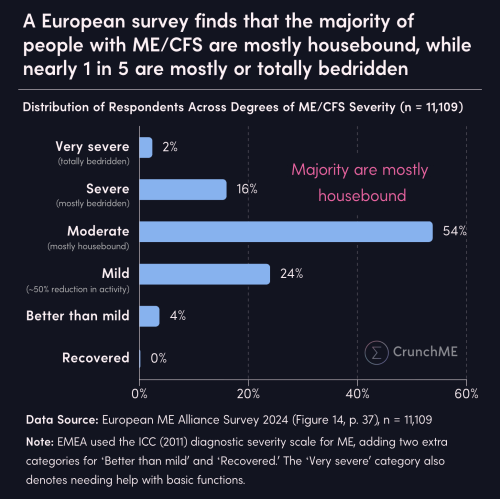
...See more 💙 May 12th is International ME/CFS Awareness Day. 💙 Myalgic Encephalomyelitis (ME/CFS) is a very common and highly disabling neuro-immune condition. It has been recognised as neurological by the world health organisation since 1969. It frequently begins after an immune trigger such as an infection. The defining characteristic of the condition is Post-Exertional Malaise, PEM, which is a severe worsening of symptoms, with potential for overall illness deterioration, in response to any exertion. The activity that triggers PEM varies based on severity: for someone with mild M.E., this can be exercise, work or schooling, whereas some people with extremely severe M.E. may not have capacity to tolerate light, sound, movement, speech, swallowing or digestion. A large proportion of people with the condition are housebound or bedbound. Many initially begin as mild and deteriorate due to illness progression, improper management, or pressure to fulfil responsibilities and continue pre-illness activity levels.  It is frequently reported to affect 17–24 million people worldwide, with higher recent estimates due to approximately one third of people with long covid developing ME/CFS.  Unfortunately due to a long history of psychologisation it is severely underfunded compared to disease burden, poorly understood by many medical professionals, and there are currently no approved effective treatments. Approx. 5–10% make a full recovery to pre illness activity levels.  Current research indicates an immune basis, with impaired immune cells, significant issues with cellular energy production in muscles and brain, and neuroinflammation. A large scale 2025 study called DecodeME indicated a likely genetic component to predisposition.  Common comorbidities include POTS and other forms of dysautonomia, migraines, MCAS, hypermobility conditions, chronic pain conditions, gastrointestinal issues and more.  Also known as chronic fatigue syndrome, an outdated name which fails to convey the severity of the condition, it is not the same as the symptom of chronic fatigue which is common in many conditions.  Awareness Day is May 12th, for Florence Nightingale's birthday, who was mostly bedbound at age 36 after the Crimean War with a condition now thought to have been ME/CFS. 💙 The awareness colour for ME/CFS is blue 💙 Image Source: https://crunchme.org/visuals General information:  https://emerge.org.au/what-is-me-cfs/ https://batemanhornecenter.org/ Pacing: https://mecfs.org.au/resources/pacing [https://mecfs.org.au/resources/pacing] An example of someone's experience with Severe M.E.: https://m.youtube.com/watch?v=SYLMqnEWRBg Research foundations:  https://www.omf.ngo/ https://www.meresearch.org.uk/
MistyMagic profile picture
Childrens' Eye Safety Month!
by MistyMagic
Last post
April 12th
...See more August: Children’s Eye Health and Safety Month - Why It Matters. . So, did you know that August is officially Children’s Eye Health and Safety Month? It might not be on everyone’s calendar, but it’s actually a great reminder - especially with school starting up soon - to make sure kids are seeing clearly and protecting their vision. Why is eye health such a big deal for kids? Because kids often don’t realize they’re having trouble seeing. They just adapt - sitting closer to the TV is one to watch for, or squinting at the whiteboard, or avoiding reading altogether. And sometimes, what looks like a learning issue is really a vision problem. Catching it early makes a huge difference. What kind of eye problems are common in children? You’ve got the basics like nearsightedness and farsightedness, but also conditions like lazy eye (amblyopia), crossed eyes (strabismus), or even undetected astigmatism. Some of these are easy to correct if caught early — but harder to fix the longer they go unnoticed. When should kids get their eyes checked? According to the American Optometric Association, kids should have their first full eye exam at 6 months, again at 3 years, then before first grade, and every year after that. But honestly, many kids don’t get regular checkups unless something seems wrong. August is a good time to put it on the radar - just like back-to-school shopping. And what about eye safety - not just health? Good point. We tend to focus on vision correction, but eye injuries are also a big issue, especially for active kids. Sports are a major culprit - baseball, basketball, even soccer. Protective eyewear (like sports goggles) can prevent a lot of common injuries. Then there's screen time. It's a huge part of modern life, and kids’ eyes can get overworked. Dry eyes, headaches, blurred vision - classic signs of digital eye strain. Any tips for managing screen time? Yes! The 20-20-20 rule is easy to remember: every 20 minutes, have your child look at something 20 feet away for at least 20 seconds. It gives the eyes a quick break. Also, making sure screens are at eye level and at a comfortable distance helps. This really helps improve eye elasticity. Final thoughts? August is the perfect time to schedule an eye exam, talk to kids about eye safety, and build healthy habits -whether it’s limiting screens, wearing sunglasses with UV protection, or using safety glasses during sports or science labs. Healthy eyes mean better learning, more comfort, and safer play.
MistyMagic profile picture
Parkinson's Disease
by MistyMagic
Last post
March 31st
...See more World Parkinson’s Awareness Day is observed every year on April 11th, marking the birthday of Dr. James Parkinson, the English neurologist who first described the condition in 1817. The day is dedicated to raising awareness about Parkinson’s disease, advocating for better research funding, and supporting those who live with the condition—as well as their families and caregivers. What It’s About: * Raising Awareness: Many people still don’t fully understand Parkinson’s, or they believe it only affects older adults (even though young-onset Parkinson’s exists). * Encouraging Early Diagnosis: Educating people on early signs—like tremors, stiffness, small handwriting, or changes in walking—can lead to quicker diagnosis and better outcomes. * Supporting Research: The day often features fundraising campaigns to support research into causes, treatments, and ultimately, a cure. * Empowering Communities: Events, seminars, walks, and social media campaigns help bring people together—patients, caregivers, doctors, and advocates. Symbol of the Cause: * The red tulip is the international symbol of Parkinson’s disease awareness. It represents hope and solidarity. * You might also see the #ParkinsonsAwareness or #WorldParkinsonsDay hashtags used online to share stories and spread information. What Is Parkinson’s Disease? Parkinson’s disease is a progressive neurological disorder that affects movement, balance, and coordination. It primarily results from the loss of dopamine-producing cells in a part of the brain called the substantia nigra. People with Parkinson’s often experience tremors, stiffness, slowed movement (bradykinesia), and sometimes changes in speech and facial expression. Over time, it can also affect mood, sleep, memory, and even autonomic functions like blood pressure and digestion. Caring for someone with Parkinson’s, especially as it progresses, can be both rewarding and challenging. Every person’s experience with the disease is unique. Here are some general tips for providing thoughtful, supportive care to anyone with Parkinson's Disease:- 1. Focus on Routine * Consistency helps with medications, mood, and daily activities. * Try to keep mealtimes, medications, exercise, and rest on a predictable schedule. 2. Encourage Safe, Gentle Movement * Regular, light exercise like walking, swimming, or tai chi can help improve balance, flexibility, and mood. * Physical therapy is often recommended and can help slow physical decline. 3. Help Manage Medications * Timing is critical. Parkinson’s meds (like levodopa) need to be taken at specific times for best results. * Use pill organizers, reminders, or apps to avoid missed or duplicate doses. 4. Create a Safe Environment * Reduce fall risks by removing clutter, using non-slip mats, and installing grab bars where needed. * Watch for freezing episode - where a person suddenly can’t move forward - and try visual or auditory cues to help them "unfreeze." 5. Support Nutrition and Hydration * Swallowing can become difficult, especially later on. Soft foods, smaller bites, and drinking thickened liquids if needed can help. * High-fibre diets with lots of water also help prevent constipation, which is common. 6. Address Mental and Emotional Health * Depression and anxiety are common in Parkinson’s. Don’t hesitate to involve a mental health professional. * Encourage social engagement, hobbies, or even music therapy—it can help with both mood and movement. 7. Communicate with Patience * Speech may become soft or slow. Give time to speak, and try not to rush or finish sentences for them. * Speech therapy can help, and sometimes even simple devices or amplifiers can make communication easier. 8. Take Care of the Caregiver * Don’t forget yourself. Caregiving can be emotionally and physically draining. * Seek support groups, respite care, or counselling to help manage the stress. Written as part of the Disability Support Community Articles. More can be found here  [https://www.7cups.com/forum/disabilities/ArticlesResourcesConditionSpecificInformation_458/ArticlesResourcesAlphabeticList_233701/] If you have a condition or 'Awareness Campaign' that you feel we should recognise please message either myself @MistyMagic [https://www.7cups.com/@MistyMagic] (teens and adults) or @AffyAvo [https://www.7cups.com/@AffyAvo](adults) -------------------------
MistyMagic profile picture
What is Epilepsy?
by MistyMagic
Last post
March 10th
...See more Epilepsy Awareness Month, observed in November, brings attention to epilepsy—a neurological disorder that causes recurrent seizures due to abnormal electrical activity in the brain. This condition affects millions of people worldwide and has various causes, symptoms, and treatments. What is Epilepsy? Epilepsy is a chronic disorder characterized by unprovoked, recurrent seizures. These seizures happen when clusters of nerve cells in the brain send out abnormal signals, causing a wide range of physical effects, from momentary lapses in awareness to convulsions. Causes of Epilepsy Epilepsy can result from various factors, although in many cases, the exact cause is unknown. Potential causes include: * Genetic Influence: Some types of epilepsy run in families and may have a genetic component. * Head Trauma: Injuries from accidents or falls can lead to epilepsy. * Brain Conditions: Brain tumors, strokes, and other brain damage can increase seizure risks. * Infectious Diseases: Conditions like meningitis, AIDS, and viral encephalitis can trigger epilepsy. * Prenatal Injury: Injuries to the brain before birth, often due to infection or oxygen deprivation, can lead to epilepsy in children. * Developmental Disorders: Conditions like autism or neurofibromatosis have been linked to epilepsy. Symptoms of Epilepsy Symptoms of epilepsy vary widely based on the type of seizure and which part of the brain is affected. Common symptoms include: * Temporary confusion or "blanking out" * A staring spell * Uncontrolled jerking movements in the arms and legs * Loss of consciousness or awareness * Psychic symptoms (fear, anxiety, or deja vu) Seizures are generally classified into two main types: * Focal (Partial) Seizures: These seizures originate in a specific part of the brain and may cause mild to severe symptoms. * Generalized Seizures: These involve all areas of the brain and include types like tonic-clonic (grand mal), absence, myoclonic, and atonic seizures. Treatments for Epilepsy Managing epilepsy typically involves a combination of medication, lifestyle adjustments, and, in some cases, surgery. Treatment approaches include: * Anti-Seizure Medications: Medications like valproic acid, lamotrigine, and levetiracetam are commonly prescribed to control seizures. * Ketogenic Diet: This high-fat, low-carbohydrate diet is sometimes used, particularly in children, to help reduce seizures. * Vagus Nerve Stimulation (VNS): A device implanted under the skin stimulates the vagus nerve, which can help reduce seizure frequency. * Responsive Neurostimulation: A device implanted in the brain detects abnormal electrical activity and delivers electrical impulses to prevent seizures. * Surgery: In severe cases, surgery may be recommended to remove the part of the brain causing seizures. Living with Epilepsy People with epilepsy often lead full lives but may require certain precautions, like avoiding triggers, wearing medical identification, and managing medication routines. Support from family, friends, and epilepsy-focused organizations can also help manage the emotional and psychological challenges of the condition. For more information, consider these resources: * Epilepsy Foundation [https://www.epilepsy.com/]: Provides comprehensive information on epilepsy, including types, treatment options, and support. * National Institute of Neurological Disorders and Stroke (NINDS) [https://www.ninds.nih.gov/health-information/disorders/epilepsy]: Offers information on research, treatment, and clinical trials. * Centers for Disease Control and Prevention (CDC) on Epilepsy [https://www.cdc.gov/epilepsy/]: Contains data on epilepsy prevalence, resources, and public health initiatives. Written as part of the Disability Support Community Articles. More can be found here  [https://www.7cups.com/forum/disabilities/ArticlesResourcesConditionSpecificInformation_458/ArticlesResourcesAlphabeticList_233701/] If you have a condition or 'Awareness Campaign' that you feel we should recognise please message either myself @MistyMagic [https://www.7cups.com/@MistyMagic] (teens and adults) or @AffyAvo  [https://www.7cups.com/@AffyAvo](adults)
Dillion profile picture
[Complex Regional Pain Syndrome (CRPS)]
by Dillion
Last post
November 3rd, 2025
...See more What is Reflex Sympathetic Dystrophy (RSD) Syndrome? RSD is an older term used to describe one form of Complex Regional Pain Syndrome (CRPS). Both RSD and CRPS are chronic conditions characterized by severe burning pain, most often affecting one of the extremities (arms, legs, hands, or feet). There are often pathological changes in bone and skin, excessive sweating, tissue swelling and extreme sensitivity to touch, known as allodynia. RSD is sometimes called Type I CRPS, which is triggered by tissue injury where there is no underlying nerve injury, while Type II CRPS refers to cases where a high-velocity impact (such as a bullet wound) occurred at the site and is clearly associated with nerve injury. Type II used to be called "causalgia" and was first documented over 100 years ago by doctors concerned about the pain that Civil War veterans suffered even after their wounds had healed. RSD is unusual in that it affects the nerves, skin, muscles, blood vessels and bones at the same time. What are symptoms of RSD/CRPS? The key symptom is, chronic, intense pain that is out of proportion to the severity of the injury (if an injury occurred) and which gets worse over time rather than better. It most often affects the arms, legs, hands or feet and is accompanied by: burning pain increased skin sensitivity to touch changes in skin temperature: warmer or cooler compared to the opposite extremity changes in skin color: often blotchy, purple, pale or red changes in skin texture: shiny and thin, sometimes excessively sweaty changes in nail and hair growth patterns swelling and stiffness in affected joint motor disability, with decreased ability to move affected body part What causes RSD? The cause of RSD is not known. The condition is thought to be a malfunctioning of the sympathetic nervous system, but some researchers are questioning this. Since RSD most often follows trauma to the extremities, some conditions that can trigger RSD are sprains, fractures, surgery, damage to blood vessels or nerves and certain brain injuries. How is RSD diagnosed? There is no single laboratory test to diagnose RSD. Sometimes imaging studies (x-rays, MRI) or nerve conduction tests are useful, Diagnosis can be made by the healthcare provider when certain conditions are met, including the absence of any other diagnosis that better explains the signs and symptoms. Early diagnosis is thought to be important in preventing progression of the syndrome. How is RSD treated? Physical therapy is a primary component of treatment. There also are several types of medications that can be used. Surgical procedures may also help reduce symptoms. Treatment plans are individualized and often incorporate several of these measures. Is there a cure? There's no cure at this time, but research continues. Advances have resulted in some new and effective treatments. Some patients may experience a remission of symptoms. For more information on RSD/CRPS contact the following organizations: National Institute of Neurological Disorders & Stroke National Institute of Health https://www.ninds.nih.gov [https://www.ninds.nih.gov/] Reflex Sympathetic Dystrophy Syndrome Assn. Tel: 877-662-7737 https://www.rsds.org [https://www.rsds.org/] American RSDHope Group Tel: 207-583-4589 https://www.rsdhope.org/ American Chronic Pain Assn. (ACPA) Tel: 800-533-3231 https://www.theacpa.org [https://www.theacpa.org/] Special Thanks to the NYC Department of Health [https://www.health.ny.gov/diseases/chronic/reflex_sympathetic/] for this information!
MistyMagic profile picture
Anaphylaxis Awareness Week
by MistyMagic
Last post
October 30th, 2025
...See more 🌼 Anaphylaxis Awareness Week - Let’s Talk Allergies and Inclusion! 🌼 Hey everyone, Just wanted to say hello because it’s Anaphylaxis Awareness Week, and I think it’s such an important time to talk about how serious (and misunderstood!) severe allergies can be. For some eating peanuts can be life sustaining, for others it can be life-threatening1 Anaphylaxis isn’t “just an allergy” - it’s a life-threatening reaction that can happen within minutes. For a lot of people, it’s not just about avoiding a few foods - it’s navigating everyday life with constant vigilance. Eating out, school events, work meetings, or even just being around certain products can be a real challenge. This week is all about raising awareness, encouraging understanding, and reminding people how vital things like EpiPens, clear labelling, and inclusion are. If you live with allergies or care for someone who does, you know how isolating it can sometimes feel. You’re constantly on alert, explaining to people (again!) that “no, a little bit won’t be fine.” 😅 Maybe we can use this week to: 💬 Share tips on managing allergies day to day 📢 Educate others about anaphylaxis and what to do in an emergency 💛 Support each other and remind folks that invisible disabilities are real too So - anyone here living with anaphylaxis or severe allergies? How do you handle social situations or advocate for yourself? Sending safe snacks to everyone this week 💛
AffyAvo profile picture
Chronic Illness Support
by AffyAvo
Last post
October 16th, 2025
...See more Some of these made me smile today, thought I would share them! https://www.buzzfeed.com/samij3/life-with-a-chronic-illness-dn0d
AffyAvo profile picture
Listeners with a Disability - Supporting Members with Disabilities (2026)
by AffyAvo
Last post
October 3rd, 2025
...See more We had one of these before, but many of the listeners are no longer using 7cups. So here's an updated one. Are you a listener with a disability willing to support members with a disability? Please share here! Also note what your disability is or give as much detail as you're comfortable with so that members can find someone with similar issues. *Please note that if listeners are seeking or needing support then please switch to your member account and then post or reach out.*                                      This thread is not for listeners to seek help! -edited by MistyMagic August 2025
Citta profile picture
I Have Polycystic Ovarian Syndrome, AMA.
by Citta
Last post
August 24th, 2025
...See more Hi, lovely people, this is Citta! So last week I made an AMA forum post [https://www.7cups.com/forum/ListenersOnlyForums_38/AMA_117/IHavePreMenstrualDysphoricDisorderAMA_4472/] on Premenstual Dysphoric Dysorder (PMDD). This week I'm going to post an AMA on Polycystic Ovarian Syndrome (PCOS). I have heard from several listeners here on the site that they have been diagnosed with PCOS so that I'm wondering if you need more information or support or just someone to talk about this. I'm not a doctor, though. The scientific medical information I'll provide below would be from trustworthy resources, for instance NHS UK [https://www.nhs.uk/conditions/Polycystic-ovarian-syndrome/Pages/Introduction.aspx]. PCOS is a condition that affect woman's ovaries. Polycystic ovaries have a number of harmless cysts, which have underdeveloped sacs that often unable to release an egg, thus results in no ovulation. This condition is also associated with abnormal hormone levels in the body. Some of the symptoms that are apparent in PCOS (I do have most of these): irregular periods (dysmenorrhea), difficulty getting pregnant, excessive hair growth, weight gain/being overweight, acne, and emotional problems such as depression. This is also associated with insulin resistance, type 2 diabetes, and high cholesterol levels. The exact cause of PCOS is unknown, but it's related to abnormal hormone levels (hormone imbalance), resistance to insulin, and genetics. There's no cure for PCOS, but there are treatments for the symptoms, for instance through changes of lifestyles and medications. If you ask me if I would like to have a life without PCOS, of course I'd say I would. PCOS is hard and requires a lot of patience, regular check ups, treatments, with excessive costs and doctors visits. However, without PCOS I wouldn't have learned the first thing about the importance of healthy lifestyles and truly, truly understand and experience it. I wouldn't have learned about empathy for people who are ill, and relating to the image of myself, with my weight gain and everything, I learn to respect myself and be grateful about my weight. I was once ran to the ER during high school for exercising too much to lose weight despite being too skinny. After PCOS, I've gained 35 pounds yet happy with healthy BMI and importantly, healthy perspective about who I am and feel beauty. It's been 5-6 years since I got diagnosed. I've been consuming oral medications such as birth control pills, metformin for my insulin resistance, and statin for the cholesterol levels. It's been tough and hard because it gets annoying and bothering sometimes, but I normally function well and I have awesome doctors and full coverage of health insurance so I have lots of things to be grateful for :) Do ask me anything :) Oh, I'm no doctor so I can't give you professional opinions LOL, but I'm trying to do more research and research so I hope I can provide you with answers :)
PetalsOnTheWind profile picture
Information About Epilepsy
by PetalsOnTheWind
Last post
July 27th, 2025
...See more What is Epilepsy? Having epilepsy means that you have a tendency to have seizures. It is a neurological disorder, however not always a life-long diagnosis.  What Happens During A Seizure? When a seizure occurs, it is because there is a sudden burst of electrical activity in the brain. The electrical bursts temporarily cause a disruption in the way the brain normally works and therefore causes the brain’s messages to get ‘mixed up’.  During a seizure, some people may lose consciousness, however others may not. Some people have strange sensations, or parts of their body might twitch or jerk. Other people fall to the floor and convulse. This is when they jerk violently as their muscles tighten and relax repeatedly. These seizure’s can last between a few seconds and a couple of minutes. Types Of Seizures: There are many different types of seizures, and therefore each individual will experience epilepsy in a different way. Simple Focal Seizure - When someone experience's these seizure's, the person is usually aware that it something is happening and the individual will remember the seizure afterwards. Some people may find these types of seizures difficult to put into words as during the seizure they may feel 'strange'. These types of seizures can sometimes be described as 'warnings' as they can develop into a different type of seizure. Complex Focal Seizures - These are the seizures when a persons consciousness is affected and they may be confused. They might make strange or repetitive movements. They may wander around, or behave strangely, and they may not be aware of what they are doing. People with these seizures may be able to hear you but not understand what you are saying. If you speak loudly to someone who may be experiencing this seizure, they may think you are being aggressive towards them and may react aggressively towards you. Tonic Clonic - These seizures (also known as grand mal) is when a person will loose consciousness, jerk, may wet themselves, skin may change colour to be very pale or bluish, there body goes stiff and can bite their tongue or cheek during this type of seizure. Clonic Seizure - This is when an individual may experience convulse seizures but the person's body may not go stiff at the start of the seizure. Tonic - These types of seizures is when a person's muscles will suddenly become stiff, so when they are standing they may often fall. The seizures are usually short and can happen without warning. Atonic - This is when a persons muscles suddenly become relaxed, which makes a person all floppy. If they are standing, they would usually fall forwards and run the risk of injuring there head and/or face. Like tonic seizures, these can also happen without warning. Absences - Also referred to as petit mal. These types of seizures are more common in children then adults and can happen more frequently. An absence is when a person become unconscious for a very short amount of time. You can notice an absent seizure by how they may look, they may have a blank stare and their eyelids might flutter. They may not be aware of what is happening around them. often these seizures go un-noticed due to the short amount of time they are present. Generalized Seizures - This is when both sides of the brain is affected at once and without warning. The person may become unconscious and may not be aware of the seizure afterwards. What Triggers A Seizure? As listed below, these are often called ‘triggers’. This is because they do not cause epilepsy itself, but are identified as more likely to bring on a seizure. ☆ Feeling Tired ☆ Alcohol ☆ Stress ☆ Flashing or Flickering Lights ☆ Missing Meals Recovery Position Click here [https://i.imgur.com/ZGljD3n.jpg] to view the recovery position. This is the position you put someone in if they are having a seizure. In order to carry this out safely you need to carry out the following steps: Kneel on the floor on one side of the person Place the arm nearest you at a right angle to their body with their hand upwards towards the head Tuck their other hand under the side of their head, so that the back of their hand is touching their cheek Bend the knee farthest from you to a right angle Roll the person onto their side carefully by pulling on the bent knee The top arm should be supporting the head and the bottom arm will stop you rolling them too far Open their airway by gently tilting their head back and lifting their chin, and check that nothing is blocking their airway Stay with the person and monitor their breathing and pulse continuously until help arrives if possible, turn the person onto their other side after 30 minutes What To DO When Someone Is Having A Seizure? ☆ Guide the person from danger ☆ Stay with the person until recovery is complete ☆ Be calmly reassuring ☆ Protect the person from injury - (remove harmful objects from nearby) ☆ Cushion their head ☆ Look for an epilepsy identity card or identity jewellery ☆ Aid breathing by gently placing them in the recovery position once the seizure has finished (see pictures) ☆ Explain anything that they may have missed What NOT To Do When Someone Is Having A Seizure? ☆ Restrain the person’s movements ☆ Put anything in the person’s mouth ☆ Try to move them unless they are in danger ☆ Act in a way that could frighten them, such as making abrupt movements or shouting at them ☆ Assume the person is aware of what is happening, or what has happened ☆ Give them anything to eat or drink until they are fully recovered Laws The equality laws mean it is against the law for someone to treat you unfairly at work because of your epilepsy. All jobs apart from the armed forces are open to taking people with epilepsy. There may be some jobs you can’t do if your seizures mean you or others would be put at risk. Examples are police officer, fire fighter and working at heights. Your education is also protected by the equality laws. This means you should not be discriminated against because of your epilepsy and should be able to request extra support if needed. Random Facts: ☆ Some people can have seizures whilst they are asleep. ☆ In the UK, there are over 600,000 people with epilepsy. ☆ In around six out of 10 people, doctors don’t know the cause of their epilepsy. 

Welcome to the Disability Support Community!

This is an inclusive community where people can seek and provide support and post about topics related to learning disabilities, chronic pain, chronic illnesses and conditions, physical disabilities and developmental disabilities. You are welcome to join in even if you don't used disabled as a label for yourself.

There are a number of ways to get involved and be supported. We have a pop up teen chatroom and a 24/7 adult chatroom.

There are guides for Chronic Pain and T2 Diabetes
There are Q&A sections for Disabilities and Chronic Pain

Members may connect with a listener who has disabilities, chronic pain, cancer, diabetes, adhd or autism listed as a topic and there are listeners with disabilities supporting people with disabilities

We encourage people to post new threads and respond to others in the forums! Some good ways to get started are to introduce yourself and to join our tag list to be notified of weekly check ins and events. We also have an Interview Series: if you would be open to sharing more about yourself and want to be interviewed.

Looking to be even more active in the Disability Community? Join us as a leader!

*Note we are inclusive of all disabilities but ADHD and Autism each of their own communities which may be of interest to some of you.

Community Guidelines

🌟 Please be respectful of everybody's thoughts and opinions.

🌟 Don't think you are alone, so please share

🌟 Please be patient if you feel like your concern hasn't been addressed yet; we are working hard to add more leaders and supporters.

🌟 If you have any concerns, reach out to a leader or make a post.

🌟 For Listeners only - please remember that you are here to give support, if you are seeking support then please switch to your Member account.

🌟 Most of all - don't forget to be awesome! You are loved and accepted here, no matter what!

Guidelines For Using AI 


We all want the Disability Support Community to be a safe place where people are able to be their authentic selves and receive support. We understand that AI tools can be helpful in reducing barriers, allowing people to better express themselves, and allowing those with some disabilities to be able to read, write, and post, but excessive, or complete use of AI can feel robotic and reduce supportive person-to-person interactions. It can also lead to false impressions of the poster. We want to try and avoid this and help our Community to be as inclusive and as welcoming as possible to all users.


What is AI?

AI is short for ‘artificial intelligence’ which is software, a program or algorithm that works to sort, order, and combine data to give a response or answer to a question or input. Artificial intelligence is the ability of a computer, software, or computer-controlled robot to perform tasks that are commonly associated with the intellectual processes characteristic of humans, such as the ability to reason. As yet no AI’s match full human flexibility over wider domains or in tasks.

Some of the most common examples of AI in use today include: 

  • ChatGPT: Uses large language models (LLMs) to generate text in response to questions or comments posed to it. 

  • Google Translate: Uses deep learning algorithms to translate text from one language to another. 

  • Netflix: Uses machine learning algorithms to create personalized recommendation engines for users based on their previous viewing history. 

  • Tesla: Uses computer vision to power self-driving features on their cars.


If using AI tools please adhere to the following:


  • Include some of your own personal expression. This could come from a detailed, personal prompt to the AI tool or include some of your own words with a post.

  • Cite which AI tool(s) you used, which applies both to AI-generated and AI-edited text as well as images too. For instance, if you use Dragon to voice type then say so and if the text is AI-edited include that fact too.

  • Avoid posting misinformation. AI sometimes creates personalized anecdotes, facts, or references. If you are sharing an experience, don’t post an AI-fabricated one. If posting information check that it is correct and aligns with trustworthy sources.

  • Cite the source of your information. It can be important to know and understand the source of information posted, AI-generated content may draw information from their database so try and use factual sites that can be checked and that aren’t misleading.

  • Don’t make threads in excess. AI can make it fairly quick to create a lot of content. We want to give everyone’s posts a chance to be seen. Please don’t post a large amount of threads in a short period of time, this is called ‘flooding’ and can prevent other posts from being seen.

  • If you do feel like there’s a lot you want to state on one topic, consider making multiple posts within the same single thread. Or create your own ‘Disability Diary’ thread and post there, this will increase your visibility, and those who reply will be notified when you add another post.

  • Follow the guidelines. You are responsible for what is posted from your account, even if AI was used in the creation of the post, so please double-check what you write and post!


For more information please read this post by @Heather225 - 7 Cups Community Director.


Do’s ✅  and  ❌ Don’t List:


Do - Humanize your post with your own expression and words

Do - Cite the AI tool(s) you use

Do - Make ONE thread and post to it if there are several posts you want to make

Do- Read things over and ensure the guidelines are being followed

Don’t post something that is entirely AI-generated with little input from yourself

Don’t post misinformation

Don’t flood the forums with AI threads, or multiple threads


If in doubt please ask @MistyMagic  (Adults and Teens) or @AffyAvo (Adults) or consider joining the Disability Community Support Team. More information Here


Community Leaders
Community Mentor Leader
Room Supporter